Mumbai, October 2026 : Maharashtra Chief Minister Devendra Fadnavis has directed the formation of task forces to facilitate the establishment of Compressed Biogas (CBG) projects across the state, with the aim of making cities waste-free and promoting the production of clean fuel from municipal waste.
Fadnavis instructed officials to establish projects wherever feasible in accordance with the state’s CBG policy and ensure that waste management infrastructure is developed based on local requirements.
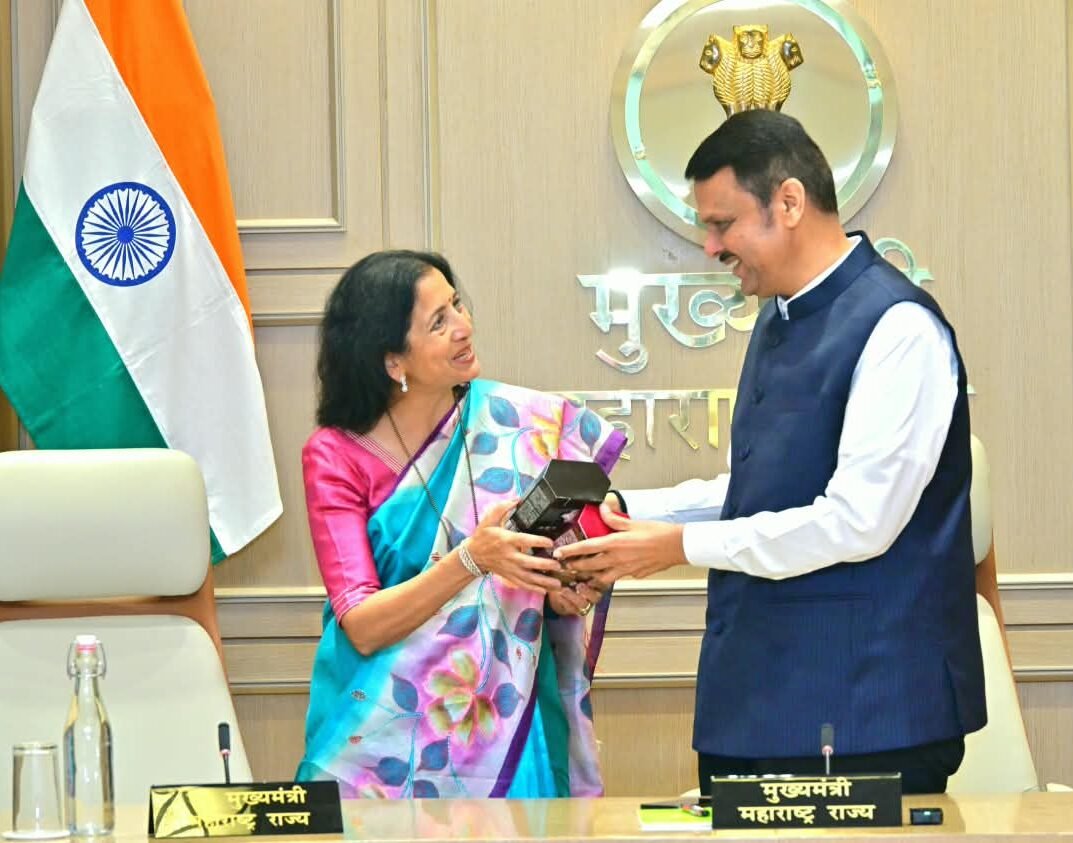
The Chief Minister reviewed proposed waste management and CBG projects during a meeting held at his official residence, Varsha, in Mumbai. Minister of State Madhuri Misal, Mumbai Municipal Corporation Commissioner Ashwini Bhide and Additional Chief Secretary of the Urban Development Department K. H. Govindraj were among those present.
Representatives of Keva Green, including Executive Director Vrinda Thakur, Managing Director Kedar Waze and Director Nandan Waze, presented details of the waste-to-biogas project implemented by the company in Nagpur. They also outlined the possibilities of replicating similar projects in other parts of Maharashtra.
During the meeting, Fadnavis stressed the need to plan projects after assessing the quantity of waste generated, availability of land, suitability of technology and distance from existing gas pipelines.
He directed officials to establish an implementation framework involving companies operating in the sector, oil companies and local self-government bodies.
The Chief Minister said such projects could help municipal corporations reduce expenditure on waste collection and disposal while advancing the state's objective of developing cleaner, waste-free cities.
Highlighting the waste management challenges in the Mumbai Metropolitan Region, Fadnavis asked officials to explore the establishment of CBG projects in the Brihanmumbai Municipal Corporation area, Vasai-Virar, Mira-Bhayandar and Kalyan-Dombivli. He also suggested examining the feasibility of similar projects in the Hinjawadi and Chakan areas of Pune.
He emphasised that scientific waste management, effective utilisation of available technologies and proper identification of land for project development should receive priority. He called for concrete measures to improve waste processing and promote the conversion of municipal waste into useful energy.
The meeting also discussed the experience of the Nagpur project, the development of facilities through a cluster-based approach, waste segregation, land availability, connectivity to gas pipelines and the use of different technologies.
Officials considered developing a cluster model that would bring together neighbouring cities to process municipal waste more efficiently. Under this approach, multiple urban local bodies could collectively support facilities designed to handle waste generated across a wider area.
Another proposal involved carrying out the initial segregation of waste within cities and transporting it to suitable locations outside urban limits for further processing. Officials noted that this approach could reduce pressure on valuable land within city boundaries while creating opportunities for larger waste-processing facilities.
The meeting also highlighted the potential benefits of locating CBG plants close to existing gas pipelines. Such proximity could help reduce the cost of transporting the gas produced and improve the operational viability of the projects.
The proposed initiative is expected to bring together urban local bodies, private-sector companies and oil companies to strengthen Maharashtra’s waste management infrastructure while supporting the production of compressed biogas from municipal waste.
Director of the Swachh Maharashtra Mission Navnath Wath, Keva Green officials Vrinda Thakur, Kedar Waze and Nandan Waze, BPCL Chief General Manager Indrajit Singh, General Manager Santosh Varshne, and TWT representative Tjerd van Berg also attended the meeting.
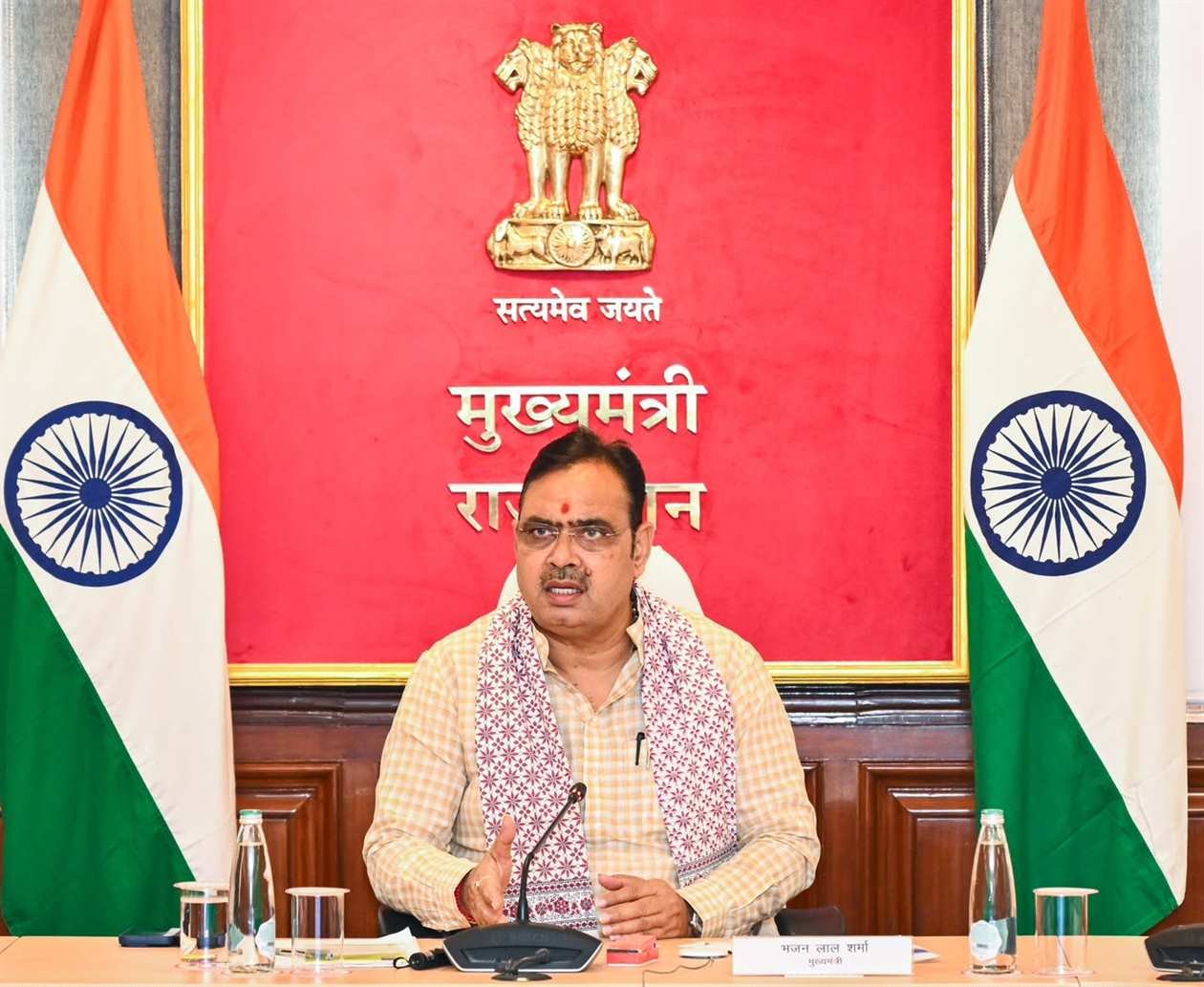
Municipal commissioners from across Maharashtra participated in the meeting through videoconferencing.