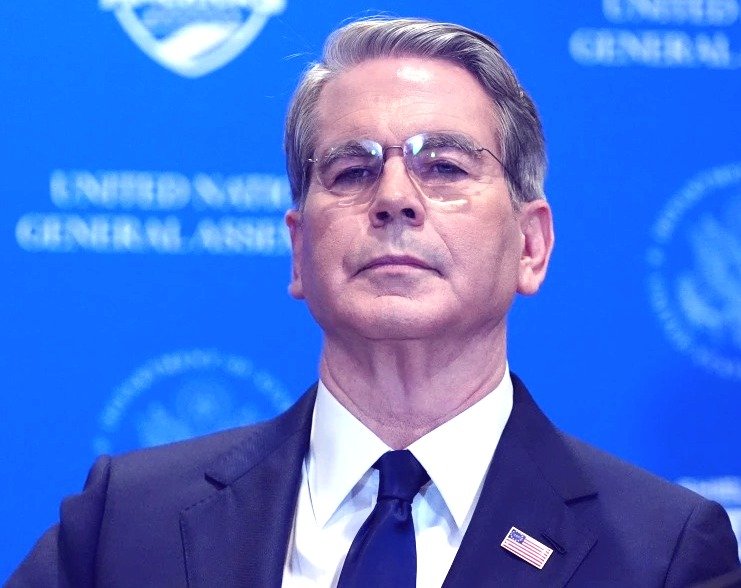
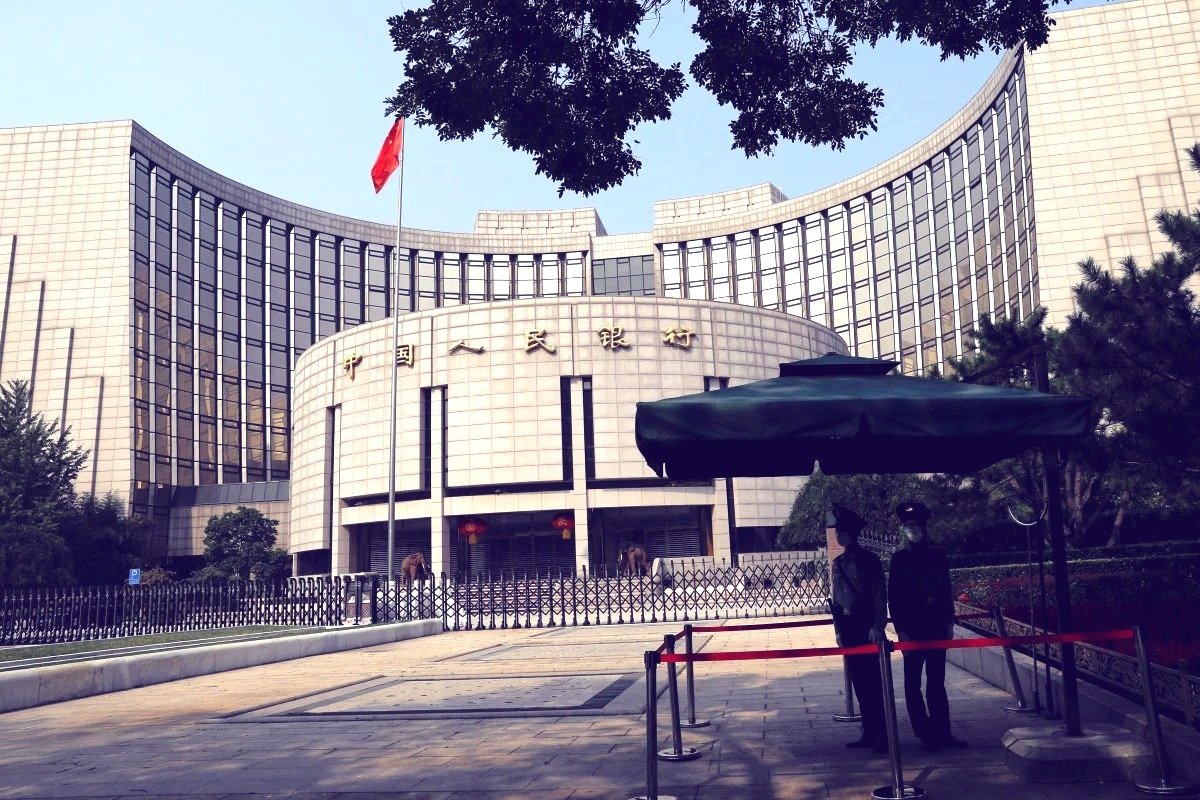
Beijing; September 2026: After, US Treasury Secretary Scott Bessent while speaking publicly after the G20 meeting had attributed China’s current account surplus “unsustainable” and cited opposition from Beijing as the reason the group failed to issue a unanimous statement, the Chinese government has launched a scathing attack at its critics of its trade imbalances, with the central bank firmly denying that Beijing deliberately pursues trade surpluses, while also vowing that it would not weaponise the yuan to boost exports.
In the face of concerns over export reliance, People’s Bank of China governor Pan Gongsheng said the country remained committed to expanding domestic demand. “Addressing global imbalances requires all countries to promote their own structural reforms”, Pan was quoted as saying during the two-day G20 meeting of finance ministers and central bank governors, which ended on Tuesday (01st
September 2026). Pan’s remarks came amid renewed scrutiny over China’s trade surplus, which hit a record US$1.2 trillion last year (FY:2025-2026).
Meanwhile, vetting on what Scott Bessent have commented, the US Treasury instead issued a statement, late on the same day (01st September 2026), that “China’s position was agreed by all G20 members present except China”. It pointed to four specific paragraphs that China had objected to, including one on taking steps to “eliminate non-market policies and practices that exacerbate imbalances. In particular, countries with excessive and persistent external surpluses should remove distortions that constrain domestic consumption and that result in an overreliance on exports for growth”, that paragraph added.
A spokeswoman for China’s commerce ministry, Huang Ling, refuted Bessent’s remarks yesterday (Thursday – 03rd September 2026). “The use of multilateral forums such as the G20 to hype up so-called ‘economic imbalances and ‘overcapacity’ is essentially promoting protectionism and seeking pretexts to exert pressure and restrictions on China”, Huang said.
At the G20 meeting, which took place in the US state of North Carolina, Pan added that deficit countries should cut fiscal deficits and raise saving rates, while surplus countries should promote consumption and investment growth. “China has neither the need nor the intention to gain a competitive advantage in trade through currency devaluation”, Pan said.
China also opposed a section urging the International Monetary Fund to strengthen its surveillance of structural drivers of global imbalances, as well as wording that addressed debt challenges and improving debt sustainability. It also objected to a paragraph expressing concerns over disruptions in the Strait of Hormuz, a critical Middle East chokepoint for global oil shipments.
The Chinese foreign ministry had said on Wednesday (02nd September 2026) that China “deeply regrets” that a unanimous statement was not possible at the G20 meeting, adding that members should coordinate on global economic issues in an objective, fair and balanced manner.
In his speech at the meeting, Pan attributed the deepening global imbalances to rising trade protectionism, the broad application of national security issues, and unpredictable policy.
With foreign trade enterprises increasingly using exchange rate hedging tools and the proportion of yuan trade settlement rising, trade with China is no longer as sensitive to exchange rate fluctuations, Pan said.
Goldman Sachs analysts said they expected Beijing to continue to favour gradual yuan appreciation against the US dollar to balance China’s objectives of growth in hi-tech sectors; self-reliance in key inputs and technology; and further yuan internationalisation. Expecting incremental broad US dollar deflation in the coming years and relatively lower inflation in China, the bank’s analysts wrote in a research note on Wednesday (02nd September) that the yuan could appreciate gradually on a sustained basis without major impact on Chinese manufacturers’ relative competitiveness or loss of global manufacturing share.
Team Maverick.