Maharashtra CM Devendra Fadnavis takes initiative; programme aims to screen 300,000 students across 1,200 civic schools in three years
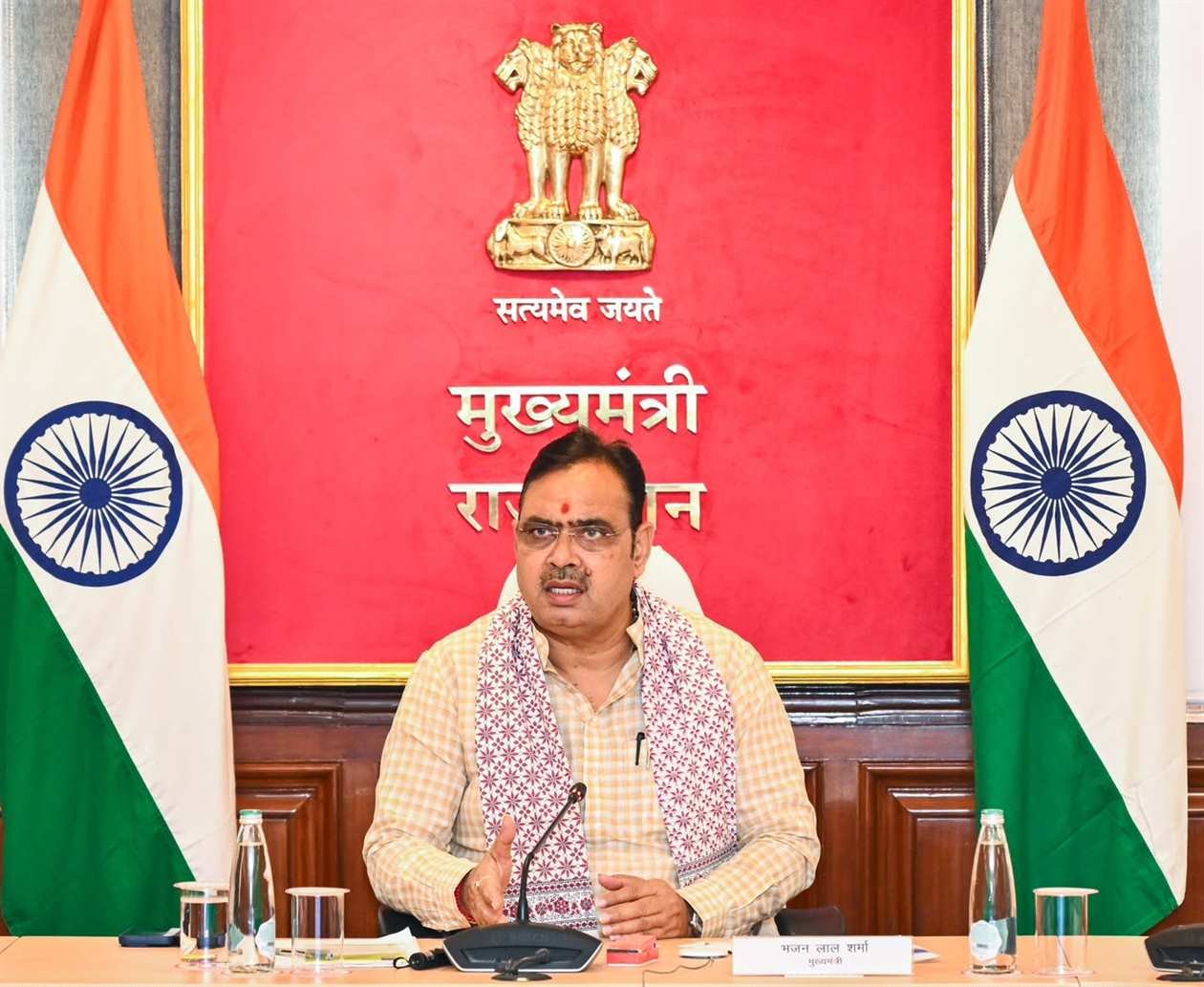
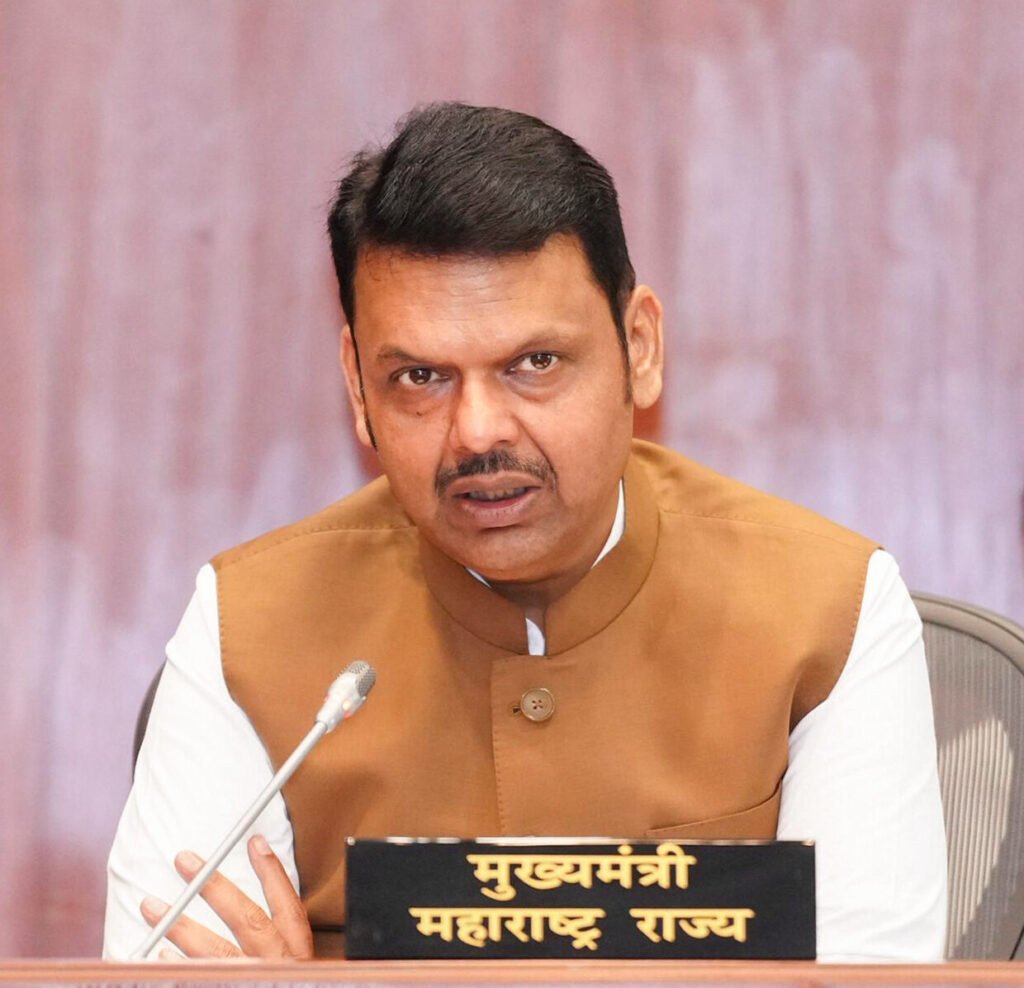
Mumbai, October 2026 : Students who struggle to keep up with their studies because they cannot see the classroom blackboard clearly will receive access to essential eye care under ‘Bal Drishti’, a pioneering initiative launched through coordination between the Brihanmumbai Municipal Corporation (BMC) and Vision Foundation of India. Maharashtra Chief Minister Devendra Fadnavis has taken the initiative forward, with the programme aiming to screen 300,000 students across 1,200 municipal schools over three years.
Initiative focuses on diagnosing and treating refractive errors
The Bal Drishti programme focuses on the diagnosis and treatment of refractive errors and is linked to the School Health and Wellness Programme under Ayushman Bharat.
Children often struggle to communicate that they cannot see clearly. Instead, they may try to sit closer to the blackboard, avoid reading or take longer to copy lessons. Such behaviour is frequently mistaken for carelessness or a lack of attention in class.
The initiative seeks to identify these warning signs early and connect affected students with appropriate eye care before their vision problems affect their education.
An estimated 9.3 million children in India are reported to have visual impairments. According to a 2022 study published in the Indian Journal of Ophthalmology, childhood blindness results in indirect economic losses of approximately ₹1,300 crore in India’s gross national income. Refractive errors and amblyopia are among the major causes of childhood visual impairment, while more than 75 per cent of vision problems can be prevented or improved through appropriate treatment.
Eye screening conducted for 40,270 students
Between February and September 2026, eye examinations were conducted for 40,270 students across 227 municipal schools under Bal Drishti. Of the 59,150 students enrolled in these schools, approximately 68 per cent underwent screening.
The students examined included 20,390 boys and 19,880 girls, indicating nearly equal participation by both groups.
The screenings also revealed several serious eye conditions. One student was found to have a myopia reading of minus 11.50 spherical dioptres (SPH) in one eye, while some students recorded readings as high as minus 16 SPH. Zero is considered the normal reference point for refractive power, while readings of minus 6 SPH and beyond generally indicate high myopia, which can cause even objects a short distance away to appear blurred.
Cataracts were also diagnosed in one student, while other eye conditions that had gone unnoticed at home or in the classroom were identified through the examinations.
Follow-up through home and school visits
So far, 361 students have received spectacles under the initiative. Children suspected of having eye disorders are referred to the Vision Foundation of India’s Community Eye Clinic on Tardeo Road for detailed examinations.
Following these assessments, specialists determine whether students require spectacles, further treatment or surgery. Teams also maintain regular contact with parents through home and school visits, following up until the recommended treatment is completed.
Four students have undergone squint-correction surgery so far.
Screening also identified colour vision deficiency in 31 students. Although the condition cannot generally be corrected, early diagnosis helps parents and teachers adapt teaching methods to meet students’ needs. It can also help guide them in making informed decisions about future education and career choices.
Surgery helps nine-year-old student regain confidence
The programme has already made a significant difference to individual students. Vedant Nerulkar, a nine-year-old Class IV student at Ganpatrao Kadam Municipal School in Lower Parel, Mumbai, struggled to read the blackboard even from the front row.
His squint affected his ability to follow classroom lessons, and he had become increasingly quiet in class.
After his condition was identified through Bal Drishti, he underwent free squint-correction surgery in July. Following the procedure, Vedant was able to read the blackboard, understand lessons more easily and answer questions in class.
His mother said her son could now see clearly, study without difficulty and interact with his classmates with greater confidence.
Strengthening follow-up for referred students
Of the 1,950 students referred for further treatment, 549, or approximately 28 per cent, have visited the designated clinic so far.
The programme will now place greater emphasis on tracking every referred student from initial identification at school through subsequent examinations, spectacle distribution and completion of treatment. The aim is to ensure that students do not miss essential care after being referred.
Chief Minister Devendra Fadnavis has acknowledged the work of the BMC and Vision Foundation of India teams in conducting screenings, facilitating referrals and following up through home visits.
Bal Drishti seeks to ensure that children who cannot see the blackboard clearly are not mistakenly labelled inattentive or careless, but instead receive timely diagnosis and appropriate treatment. By linking school-based screening with medical care and continued follow-up, the initiative aims to protect students’ eye health, improve their classroom participation and support their educational development.