Early-stage fatty liver is often substantially reversible, but recovery depends on the extent of fat accumulation, inflammation and fibrosis, as well as sustained changes in weight, diet and physical activity.
Mumbai, Oct 2026 : A diagnosis of fatty liver does not necessarily mean permanent liver damage. In many people, particularly when the condition is detected early, reducing excess fat in the liver through sustained lifestyle changes can improve liver health and, in some cases, allow the organ to move closer to its normal size and function.
Fatty liver develops when excessive fat accumulates in the liver. The condition is now commonly referred to as metabolic dysfunction-associated steatotic liver disease (MASLD) and is frequently associated with overweight or obesity, diabetes, high cholesterol, high blood pressure and physical inactivity. Because it may not cause obvious symptoms, fatty liver is often discovered during routine blood tests or imaging performed for another reason.
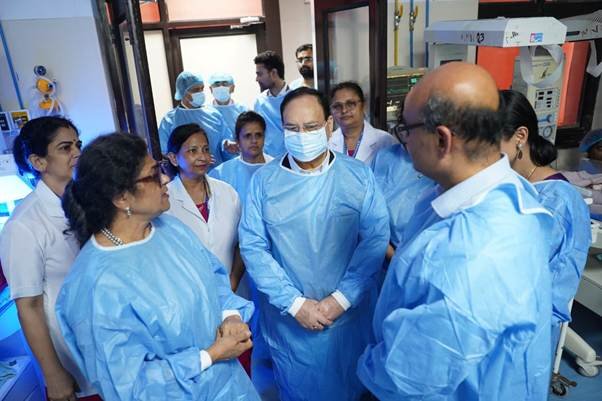
According to Dr Ameet Mandot, Director – Hepatology, Gleneagles Hospital Parel, the extent to which the liver can recover depends on several factors, including the amount of fat accumulated, whether inflammation or fibrosis has developed, and how consistently the underlying metabolic risk factors are addressed.
Can the liver return to its normal size?
In many cases, the liver can become less fatty and less enlarged when excess fat is reduced. Liver function can also improve as metabolic health improves. However, liver size alone is not a reliable measure of recovery because fatty liver does not necessarily cause an enlarged liver in every person.
The more important question is whether the disease has progressed beyond simple fat accumulation.
In its early stages, fat may build up in the liver without causing significant injury. However, persistent fat accumulation can be accompanied by inflammation and liver-cell damage, leading to metabolic dysfunction-associated steatohepatitis (MASH). Over time, MASH can result in fibrosis, or scarring, and in some people eventually progress to cirrhosis.
This distinction is important because early fatty liver is generally more reversible than advanced disease involving significant scarring.
How much weight loss can make a difference?
For people who are overweight or obese, weight loss is one of the most effective ways of reducing liver fat.
Current European guidance recommends aiming for at least 5% sustained weight loss to reduce liver fat, 7–10% to improve liver inflammation and 10% or more to potentially improve fibrosis.
The American Association for the Study of Liver Diseases has similarly noted that a 3–5% reduction in body weight can improve liver steatosis, while greater weight loss, particularly above 10%, is generally associated with improvement in MASH and fibrosis.
Even a relatively modest reduction can therefore be meaningful. For example, a person weighing 80 kg would need to lose about 4 kg to achieve a 5% reduction and about 8 kg to reach a 10% reduction.
However, weight loss should be gradual and sustainable. Crash diets or extreme restrictions are difficult to maintain and are not a substitute for long-term changes in eating habits and physical activity.
Diet plays a central role
A healthy dietary pattern can help reduce liver fat and improve overall metabolic health. Limiting refined carbohydrates, added sugars, sugar-sweetened beverages and foods high in saturated fat can be particularly useful.
A diet rich in vegetables, fibre, whole foods and unsaturated fats is generally encouraged. Mediterranean-style eating patterns, which emphasise vegetables, fruits, whole grains, legumes, nuts, fish and healthier fats, are commonly recommended for people with metabolic liver disease.
The focus should not simply be on eliminating one particular food. Overall calorie intake, nutritional quality and the ability to maintain the dietary pattern over time are important.
People with diabetes, high cholesterol or high blood pressure should also work with their doctors to manage these conditions, as controlling metabolic risk factors is an important part of managing MASLD.
Exercise can reduce liver fat
Regular physical activity is another important component of treatment.
Exercise can reduce liver fat even when it does not result in substantial weight loss. The type and intensity of exercise should be adapted to a person's age, fitness level and medical conditions.
For many adults, more than 150 minutes of moderate-intensity physical activity a week, or about 75 minutes of vigorous activity, is a useful target. Walking, cycling, swimming and other aerobic activities can be combined with strength training where appropriate.
Consistency is more important than short periods of intense exercise followed by inactivity. Making physical activity part of a daily routine can help maintain weight loss and improve blood sugar, cholesterol and cardiovascular health.
How quickly can fatty liver improve?
There is no fixed timeline for recovery.
Liver fat can begin to decrease after sustained improvements in diet, exercise and body weight. However, improvement in inflammation and fibrosis generally takes longer and may require greater, sustained weight loss.
For this reason, people should not expect fatty liver to disappear within a few weeks. The objective should be continued improvement in metabolic and liver health rather than rapid reversal.
Does fatty liver always mean an enlarged liver?
No. Fat accumulation does not necessarily cause obvious enlargement.
Ultrasound, CT or MRI may help identify excess liver fat, while additional assessments may be required to determine whether inflammation or fibrosis is present. Blood tests and non-invasive fibrosis assessments may also be used depending on the individual patient's risk profile.
Liver size by itself therefore cannot determine how serious the disease is. A person may have fatty liver without significant enlargement, while another may have an enlarged liver alongside inflammation or other underlying conditions.
When does fatty liver become serious?
The condition becomes more concerning when fat accumulation is accompanied by persistent inflammation and liver-cell injury. This can lead to fibrosis and, in some patients, cirrhosis.
Advanced liver disease can impair normal liver function and increase the risk of serious complications, including liver failure and liver cancer.
However, progression is not inevitable. Early identification and sustained management of weight, blood sugar, blood pressure and cholesterol can help reduce the risk of progression.
The key message is that a fatty liver can often improve considerably, particularly when identified before significant fibrosis or cirrhosis develops. Reducing excess weight where appropriate, following a balanced diet, exercising regularly and addressing associated metabolic conditions can all contribute to better liver health.
People diagnosed with fatty liver should also be assessed for inflammation and fibrosis where indicated. Anyone with abnormal liver tests, evidence of scarring or other signs of liver disease should consult a doctor or hepatologist rather than relying on liver size alone.
(Disclaimer :The content of this article is sourced from a news agency and has not been edited by the Mavericknews30 team.)
Disclaimer: This article is for general health-information purposes only and should not be considered a substitute for medical diagnosis, treatment or personalised advice. Weight-loss targets and exercise recommendations may not be suitable for everyone. People with known liver disease or other medical conditions should consult a qualified healthcare professional before making significant changes to their diet, exercise or medication.