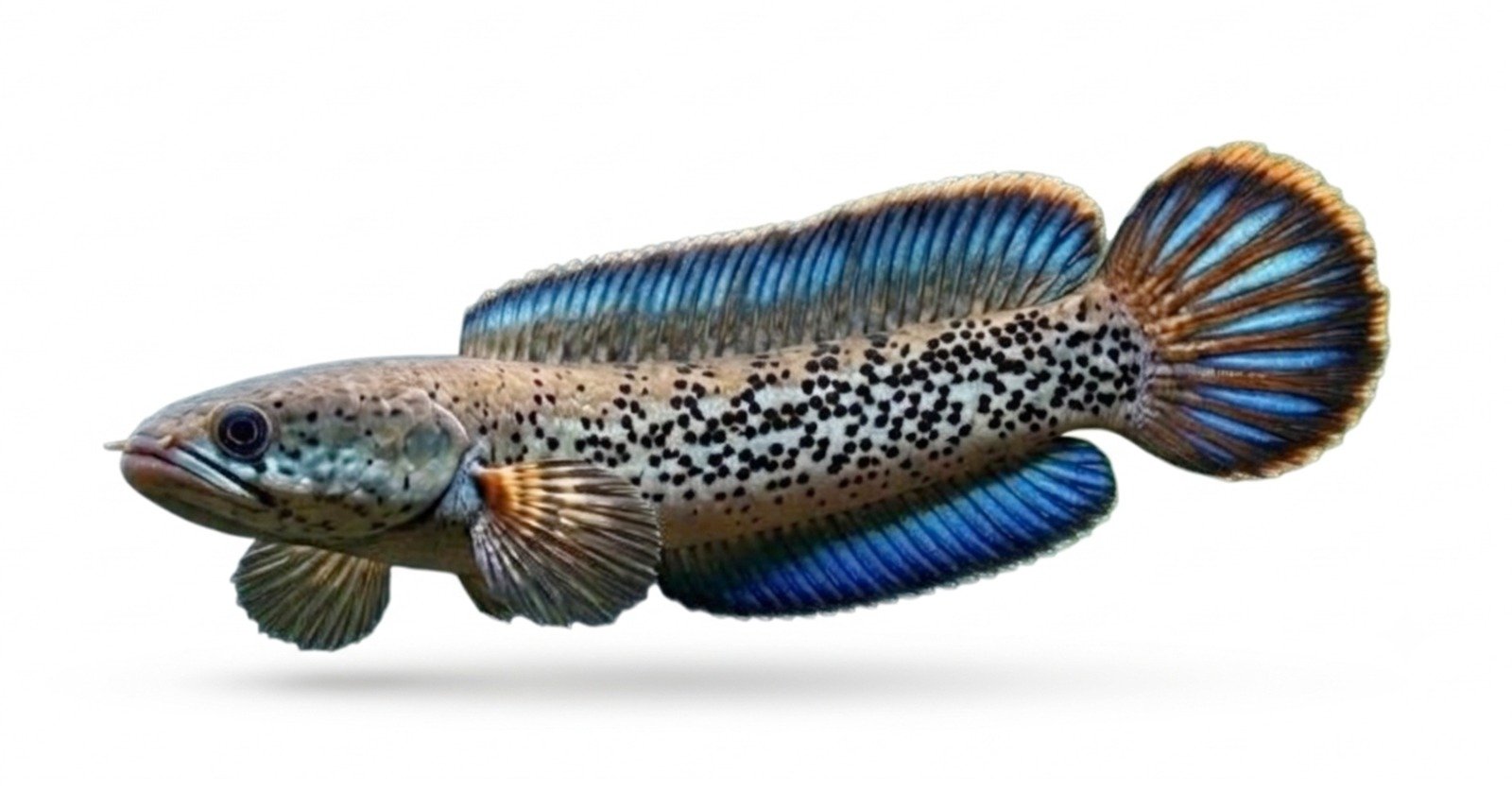
From Research to Livelihood: ICAR-CIFRI Translates Captive Breeding of Indigenous Ornamental Snakehead Channa stewartii into Opportunities for the Blue Revolution in Northeast India
November 2026, Guwahati : In a significant initiative to conserve the rich indigenous aquatic biodiversity of Northeast India while unlocking new opportunities for sustainable fisheries-based livelihoods, the ICAR-Central Inland Fisheries Research Institute (ICAR-CIFRI), Regional Centre, Guwahati, organized a Workshop-cum-Seed Distribution Programme on “Management of High-Value Ornamental Snakehead Fishes in Captivity” on 17 November 2026. A major highlight of the programme was the distribution of institute-produced, captive-bred fingerlings of Channa stewartii, locally known as Kola Cheng, to selected farmers for on-farm rearing trials. This research-to-field initiative marks an important step towards promoting scientific captive propagation, reducing pressure on wild fish populations and transforming indigenous ornamental fish resources into sustainable livelihood and entrepreneurial opportunities.
Organized under the ICAR-All India Network Project (AINP) on Ornamental Fish Breeding and Culture, the programme was conducted at ICAR-CIFRI Regional Centre, Guwahati. Around 50 participants, including officials from the Departments of Fisheries and Forests, representatives of Aaranyak and the College of Fisheries, fish farmers, entrepreneurs, media personnel, scientists and technical staff, participated in the programme.
Dr. Niranjan Kalita, Vice-Chancellor, Assam Veterinary and Fishery University, appreciated the pioneering research contributions of ICAR-CIFRI in fisheries development, particularly in the conservation of indigenous fish biodiversity and development of innovative technologies. He emphasized that the Institute's research excellence and technological interventions play a vital role in bridging the gap between scientific research and field-level application, thereby enhancing fish farmers' livelihoods, generating employment opportunities and promoting sustainable fisheries development in the Northeast region.
Dr. S.K. Majhi highlighted the immense potential of ornamental fisheries in the region and emphasized that the development of standardized and reliable captive-breeding technologies would not only reduce exploitation of natural fish populations but also ensure a sustainable supply of quality seed for commercial production. Dr. Suman Kumari, Senior Scientist, ICAR-CIFRI, presented the objectives and technical framework of the workshop. An information leaflet and poster on ornamental snakehead fishes were also released on the occasion.
Dr. Pradip Dey, Director, ICAR-CIFRI, articulated a broader vision for positioning indigenous ornamental fisheries as an emerging driver of the Blue Revolution and sustainable rural prosperity. He highlighted the successful development of captive-breeding technology for the indigenous ornamental fish Channa stewartii as a recent scientific innovation with significant potential for biodiversity conservation and sustainable fisheries development. Dr. Dey emphasized the translation of this breakthrough from laboratory research into livelihood-oriented activities in Northeast India, creating new opportunities for entrepreneurship among rural youth, women and fish farmers.
The technical sessions focused on species conservation, domestication, captive breeding, seed production and scientific rearing of high-value ornamental snakeheads. Expert lectures were delivered by Dr. B.K. Bhattacharjya, Principal Scientist; Dr. Suman Kumari, Senior Scientist; and Dr. Niti Sharma, Senior Scientist, ICAR-CIFRI. The sessions covered the market potential of indigenous snakeheads, breeding and rearing protocols, captive propagation of Channa stewartii, nutritional requirements, water-quality management and fish health care.
The distribution of captive-bred Channa stewartii fingerlings for on-farm trials is expected to serve as a vital link between laboratory-based technological advancements and their adoption at the grassroots level. The field trials will provide valuable insights into the performance of captive-bred seed under farming conditions and facilitate the refinement and dissemination of scientific rearing protocols.
The programme reflects ICAR-CIFRI's continued commitment to translating scientific knowledge into field-level technologies and advancing a conservation-based, technology-driven and economically sustainable fisheries sector. By integrating indigenous biodiversity conservation, captive breeding, farmer participation and market-oriented production, the initiative provides a promising pathway towards realizing the broader vision of the Blue Revolution and sustainable fisheries-led development in Northeast India.