Over 100 tonnes of waste removed during recent cleaning drive; 22 drains connected to sewage treatment plants and 10 new ghats being developed
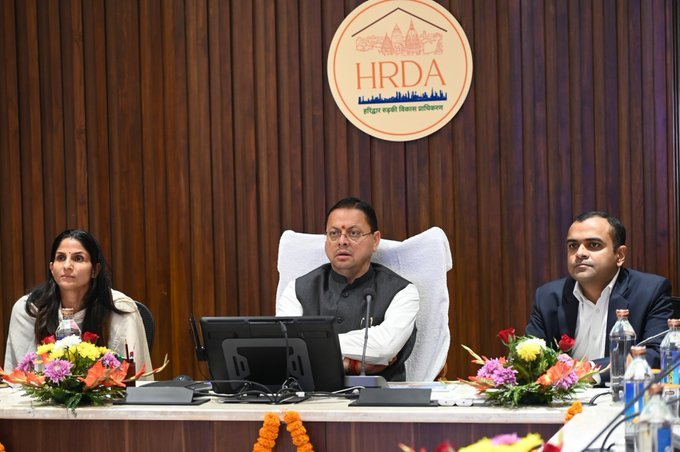
Haridwar, Nov 2026 : Uttarakhand Chief Minister Pushkar Singh Dhami has expressed satisfaction over the cleanliness of the Ganga and its ghats in Haridwar, saying that the river and its surrounding ghats have been cleaned and that the Ganga is now flowing in a pristine state. His remarks come as the state government intensifies preparations for the 2027 Kumbh Mela, with river cleanliness, environmental protection and facilities for pilgrims emerging as key priorities.
Dhami said maintaining the cleanliness and uninterrupted flow of the Ganga was among the government's foremost responsibilities. He described the river as much more than a water body, noting that it holds immense religious significance for millions of devotees. Keeping the river and its ghats clean, he said, was a collective responsibility.
The state government is linking its ongoing cleanliness initiatives in Haridwar with preparations for the upcoming religious gathering. Its objective is to ensure that clean Ganga water flows downstream from Uttarakhand to other states. Under the Namami Gange programme, work is being undertaken on sewage management, the interception and diversion of drains, and cleaning of riverbanks.
The Chief Minister has identified a clean and pollution-free Ganga as one of the major priorities for Kumbh 2027.
More Than 100 Tonnes of Waste Removed During Cleaning Drive
A large-scale cleanliness campaign was recently conducted in Haridwar during the annual closure of the Ganga canal, locally referred to as Ganga Bandi. The flow of the canal was temporarily stopped during this period, providing an opportunity to remove accumulated waste from the riverbed and ghats that are difficult to clean when water is flowing.
Various administrative departments participated in the drive, along with religious institutions, voluntary organisations and business associations. More than 100 tonnes of waste, including plastic, discarded worship materials, clothes and other refuse, were collected from the ghats and riverbanks.
Special attention was given to locations where regular cleaning is difficult because of the continuous flow of water. The campaign aimed to make the ghats cleaner, safer and better organised ahead of the 2027 religious gathering.
The participation of religious and community organisations was also intended to strengthen public involvement in maintaining the cleanliness of the Ganga. Officials believe that sustained community participation will be important in preserving the improvements achieved through government-led cleaning activities.
22 Drains Connected to Sewage Treatment Plants
Sewage management is another important component of the Ganga cleanliness programme in Haridwar.
According to the Uttarakhand Peyjal Nigam, 22 drains that previously discharged into the Ganga have been tapped and connected to sewage treatment plants (STPs). The city currently has five operational sewage treatment plants with a combined treatment capacity of 145 million litres per day (MLD).
In addition, another STP is being developed in Shivalik Nagar, while eight sewage pumping stations are being constructed at different locations.
These systems are intended to prevent domestic and other wastewater from entering the river without treatment. The sewage treatment plants process wastewater before it is released in accordance with prescribed standards. Such measures can help reduce the pollution load on the river and improve its overall environmental condition.
Dhami said maintaining the purity and uninterrupted flow of the Ganga remained among the state government's highest priorities. He appreciated the work undertaken under the Namami Gange programme and the cleanliness campaigns conducted with public participation. He also assured that efforts to protect and maintain the river's cleanliness would continue.
Ten New Ghats Planned for Kumbh 2027
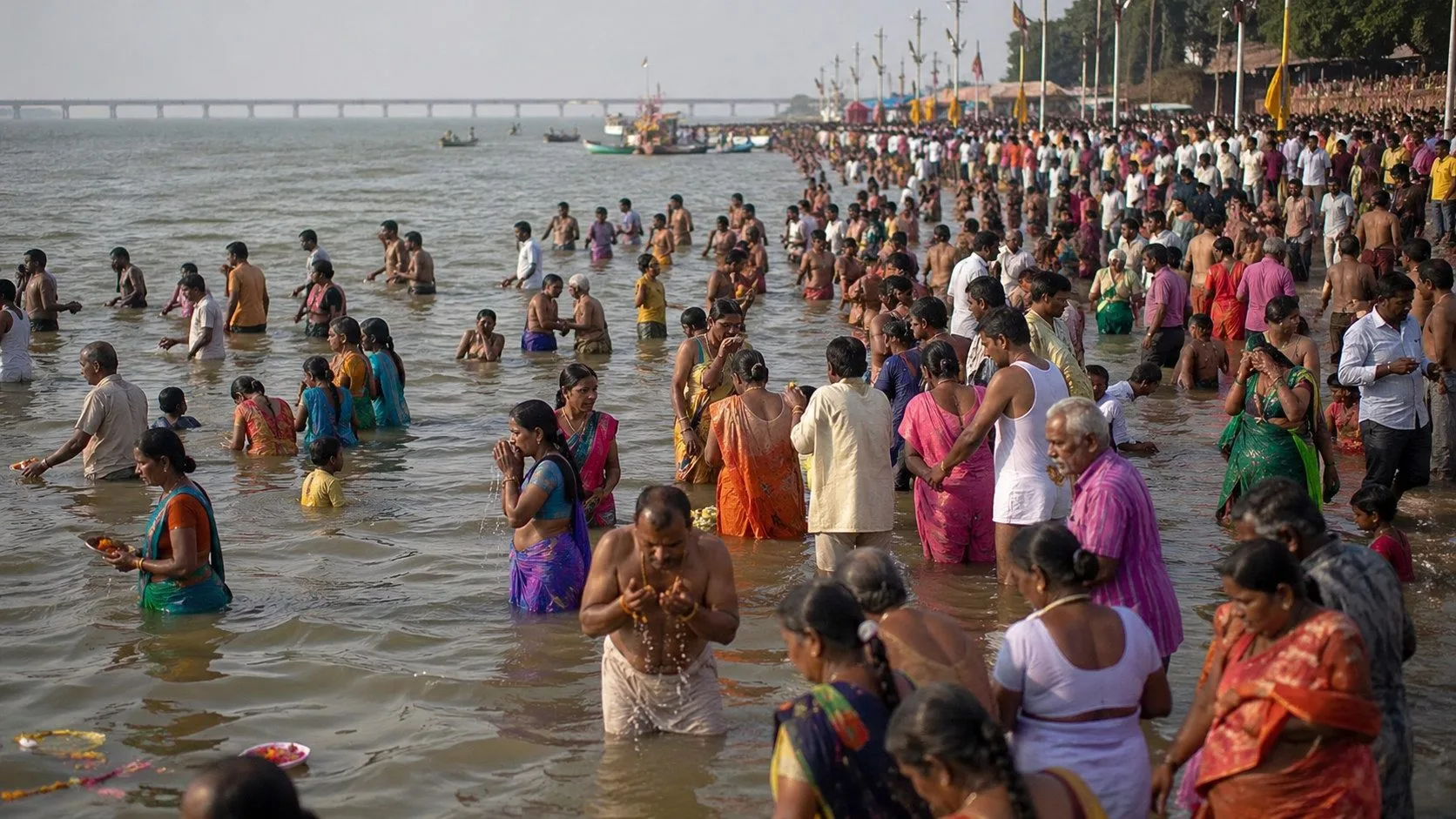
The 2027 religious gathering is expected to bring a large number of devotees to Haridwar. In view of the anticipated footfall, the state government is working on expanding, repairing and beautifying existing ghats, besides improving basic infrastructure and public amenities.
Providing adequate space for devotees to take ritual baths is a major part of the preparations.
According to officials, Haridwar currently has around 12.5 kilometres of ghats along the Ganga. For the upcoming Ardh Kumbh, 10 new ghats are being developed over a combined stretch of approximately 3.25 kilometres. Once completed, the total length of the ghats available for bathing is expected to increase to around 16 kilometres.
Repair work has also been undertaken on the submerged portions of older ghats. These improvements are intended to increase bathing capacity and ensure better access for pilgrims during the major religious event.
Alongside the expansion of ghats, arrangements for drinking water, toilets, waste disposal, traffic management and public safety will be essential to accommodate the large crowds expected during the gathering.
State Seeks Additional Central Funding for Ganga Conservation
The Uttarakhand government has also approached the Centre seeking additional financial assistance for projects related to Ganga conservation and preparations for the 2027 event.
Dhami had requested the early approval of projects worth approximately ₹408.82 crore under the National Mission for Clean Ganga (NMCG). These projects are linked to river cleanliness, waste management and strengthening environmental infrastructure for the Kumbh.
The proposed funding is expected to support efforts to improve sewage and waste management systems and strengthen arrangements required to handle the environmental challenges associated with a large-scale religious gathering.
The Chief Minister has stressed the need for continued coordination between the Centre and the state government to ensure that conservation initiatives and infrastructure projects are completed in time.
Water Quality Requires Scientific Monitoring
While Dhami has expressed satisfaction over the cleaning work and described the Ganga as pristine, the visible cleanliness of river water and its compliance with scientific water-quality standards are two different aspects.
The actual quality of river water is assessed through the testing of samples collected from designated locations. Such assessments examine parameters including dissolved oxygen, biochemical oxygen demand (BOD) and the presence of bacteria.
These indicators help determine the river's pollution levels and whether its water quality meets prescribed standards. Therefore, the Chief Minister's statement should be understood as his assessment of the cleanliness initiatives and the improvements achieved through the ongoing efforts. Scientific monitoring remains necessary to establish the river's water quality.
Cleanliness and Pilgrim Facilities Among Key Priorities
Preparations for a major religious gathering such as the 2027 Ardh Kumbh involve more than cleaning the river and expanding bathing ghats. Ensuring the safety and convenience of pilgrims will require coordinated arrangements for traffic, drinking water, sanitation, crowd management and solid-waste disposal.
The state administration will also need to maintain cleanliness throughout the event, when large numbers of devotees are expected to visit Haridwar over an extended period.
For now, the Uttarakhand government has placed Ganga cleanliness at the centre of its preparations. Dhami has expressed satisfaction with the cleaning of the river and its ghats, saying that the Ganga is now flowing in a pristine state.
The challenge in the coming months will be to sustain these efforts, complete the planned infrastructure projects and ensure that the river remains protected while providing adequate facilities to pilgrims attending the 2027 Ardh Kumbh.