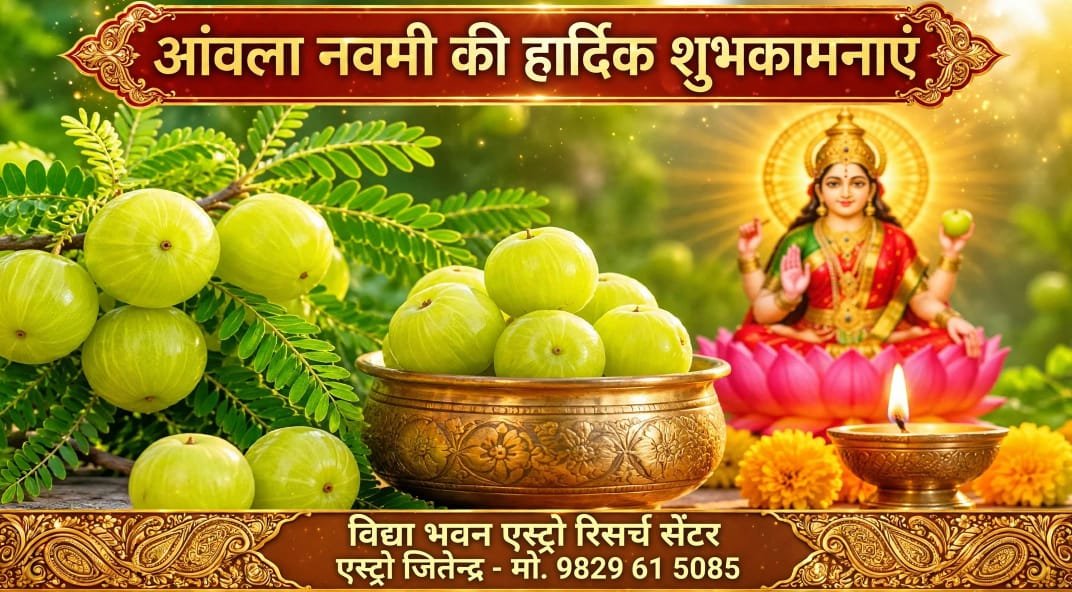
Jaipur, Nov 2026 : Amla Navami, also known as Akshaya Navami, is an important Hindu religious festival observed on the ninth day (Navami Tithi) of the Shukla Paksha, or waxing phase of the Moon, in the Hindu month of Kartik. The festival holds special significance for devotees of Lord Vishnu and Goddess Lakshmi. On this occasion, people worship the Amla (Indian gooseberry) tree, offer prayers, perform charitable activities and follow the tradition of preparing and sharing food beneath the tree.
The word 'Akshaya' means something that never diminishes, fades or comes to an end. According to Hindu religious beliefs, donations, prayers, chanting, worship and other acts of charity performed on this day bring everlasting spiritual merit and blessings.
Why is the Amla Tree Considered Sacred?
According to Hindu scriptures and traditional beliefs, Lord Vishnu and Goddess Lakshmi reside in the Amla tree. It is therefore regarded as sacred and worshipped with devotion on Akshaya Navami.
Another mythological belief links the origin of the Amla tree to Lord Brahma. It is said that at the beginning of creation, when Brahma was deeply absorbed in meditation, tears of love and devotion fell from his eyes. The Amla tree emerged from these divine tears. Because of this association, the tree is considered pure and sacred, and its fruit is often described as being equivalent to nectar.
Apart from its religious importance, Amla is traditionally valued for its health benefits. It is believed to strengthen the body, help protect against diseases and promote longevity. Thus, the festival also symbolically connects spirituality, nature and well-being.
The Main Legend: Goddess Lakshmi's Worship of the Amla Tree
One of the most popular stories associated with Amla Navami concerns Goddess Lakshmi.
According to the legend, Goddess Lakshmi once descended to Earth and was travelling when she came across an Amla tree. She recognised the divine presence of both Lord Vishnu and Lord Shiva in the tree. Considering it a symbol of the two deities, she decided to worship it with devotion.
Pleased with her prayers, Lord Vishnu and Lord Shiva appeared before her. Goddess Lakshmi then prepared food beneath the tree, offered it to the deities and subsequently partook of the meal herself.
It is believed that this incident established the tradition of worshipping the Amla tree and eating food beneath it on Amla Navami. Devotees believe that those who worship the tree with sincerity and faith on this auspicious day receive the blessings of Goddess Lakshmi. Their homes are believed to be filled with happiness, prosperity and peace.
The Second Legend: The Story of a Merchant from Kashi
Another traditional story associated with Amla Navami describes a religious and charitable merchant who lived in the ancient city of Kashi. The merchant had no children, and his wife observed several religious fasts and rituals in the hope of being blessed with offspring.
According to the legend, on someone's advice, she once followed an improper course of action in pursuit of her wish. As a consequence, she developed leprosy. Realising her mistake, she experienced deep remorse and sought a way to atone for her actions.
She subsequently observed the Amla Navami fast, worshipped the Amla tree, made charitable donations and prayed for forgiveness for her sins.
It is believed that the spiritual merit of her devotion helped her recover from the disease and eventually blessed her with the happiness of motherhood.
The moral of this story is that genuine repentance, faith and sincere devotion can help a person overcome past mistakes and seek spiritual purification.
Religious and Spiritual Significance of Amla Navami
Amla Navami is associated with several spiritual and traditional benefits:
Akshaya Punya: Acts of charity, worship and devotion performed on this day are believed to bring everlasting spiritual merit.
Blessings of Goddess Lakshmi: Worshipping the Amla tree is believed to invite wealth, prosperity, happiness and peace into the household.
Prayers for Ancestors: Performing Tarpan and making donations in memory of one's ancestors are considered auspicious. Devotees seek the blessings of their forefathers through these rituals.
Health and Longevity: Amla is traditionally associated with good health and vitality. Eating the fruit, donating it and participating in meals beneath the tree symbolise prayers for well-being and long life.
Spiritual Purification: Observing the fast and performing rituals with sincerity are believed to cleanse the mind and help devotees seek forgiveness for past wrongdoings.
Family Unity: The tradition of sitting together and sharing a meal beneath the Amla tree encourages togetherness, affection and harmony among family members.
Simple Puja Rituals for Amla Navami
Devotees generally begin the day by taking a bath and wearing clean clothes. They visit an Amla tree and clean the area around it before starting the worship.
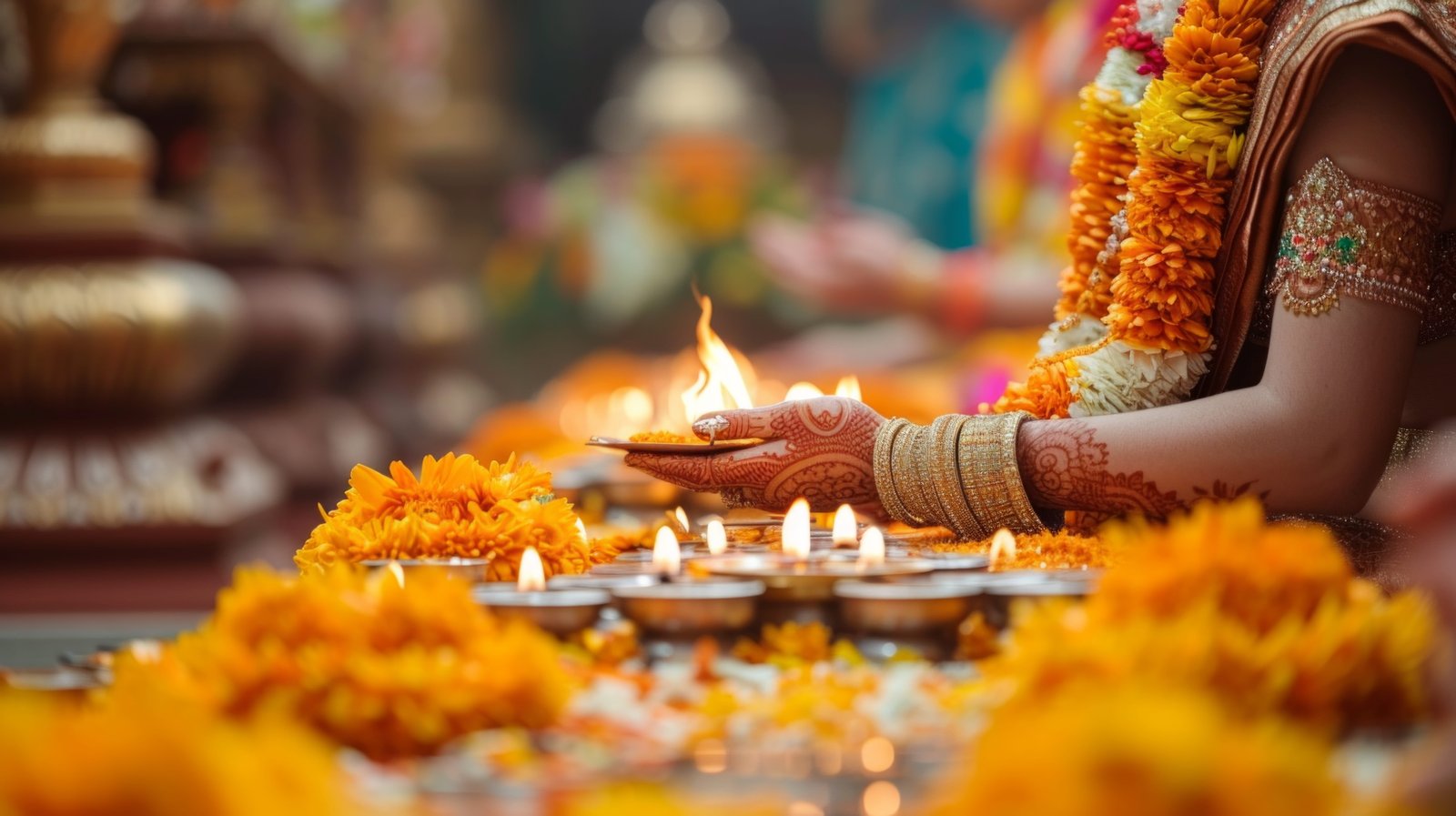
Pure water and raw milk are offered at the roots of the tree. The tree is then worshipped with roli (vermilion), akshat (unbroken rice grains), turmeric, flowers, incense sticks and a lit lamp.
As part of the ritual, devotees circumambulate the tree and wrap raw cotton thread or Mauli around its trunk eight times. They listen to or read the Amla Navami Katha, offer prayers and donate Amla fruit as an act of charity.
One of the most important traditions is preparing and sharing food while sitting beneath the Amla tree. Families and devotees participate in the meal, seeking divine blessings for health, prosperity and harmony.
A Festival Connecting Nature, Health and Devotion
Amla Navami is not merely a religious fast but a festival that brings together faith, nature, health and family values. The worship of the Amla tree reflects the traditional reverence for nature, while the practice of charity promotes compassion and social responsibility.
According to religious beliefs, devotees who worship the Amla tree, perform charitable acts and share food with love and devotion on this day receive Akshaya Punya and the blessings of happiness, prosperity and peace.
Vidya Bhavan Astro Research Centre
Astro Jitendra - 9829615085