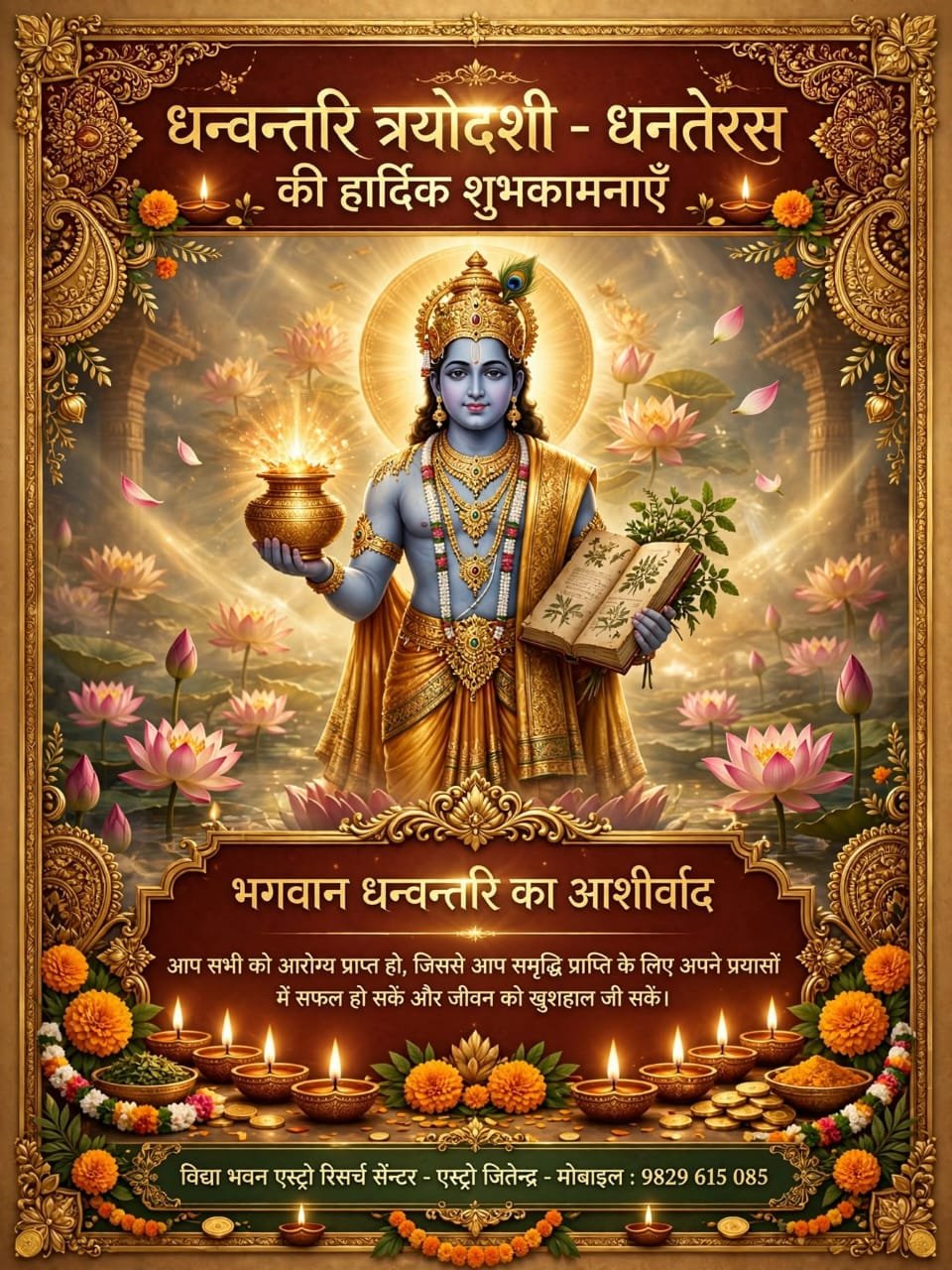
Jaipur, Nov 2026 : The Vidya Bhavan Astro Research Centre has extended Diwali greetings, highlighting the festival's deeper spiritual significance and describing it as a celebration of inner peace, hope, positivity and the victory of light over darkness.
In its message, the centre said ancient Indian sages had conducted a deep study of the human mind thousands of years ago and recognised that the greatest enemies of human beings often lie within themselves. Insecurity, self-doubt, fear, loneliness, uncertainty and internal conflicts, it observed, can become greater obstacles than external challenges.
The sages also understood that, according to astrological beliefs, unfavourable planetary positions could intensify these feelings and create an atmosphere of mental unrest, domestic tension and difficulties at work.
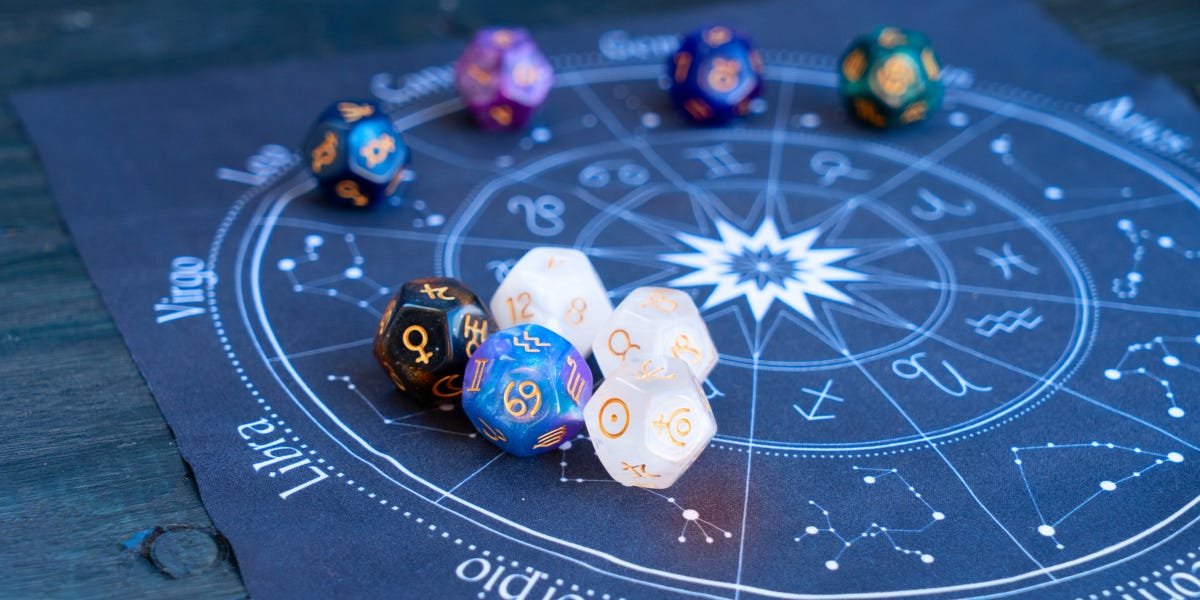
Referring to the astrological conditions associated with Diwali, the centre noted that the festival falls on the dark night of Amavasya, when the moon is not visible. It also referred to the Sun being in its debilitated sign, Mars being in a debilitated position, Jupiter and Saturn being retrograde, and Venus being weak.
According to the centre's astrological interpretation, such planetary conditions indicate an unfavourable period that may contribute to uncertainty, anxiety and obstacles in different aspects of life.
However, the message emphasised that the festival's significance lies in the way people respond to darkness and difficult circumstances. It drew a distinction between silence and peace, stating that the two should not be confused.
Silence represents uncertainty, peace brings fulfilment
The centre explained that silence, in its negative sense, represents emptiness, restlessness, indecision, disappointment and unfulfilled desires. A person may remain quiet outwardly while experiencing emotional turmoil and distress within.
It described such silence as a symbol of despair, defeat and dissatisfaction rather than genuine calmness. The message also referred to the silence that follows the death of a person, when those left behind are unable to find answers to their grief.
Peace, on the other hand, was described as a state of happiness, contentment, achievement, gratitude and inner stability. A peaceful mind, it said, remains positive, confident and determined.
The centre explained that the satisfaction experienced when hard work produces results and a person overcomes personal challenges is the true meaning of peace.
It said the ancient sages chose to make Diwali a festival of peace rather than silence. Their message was not to remain inactive or surrender to fear during a dark night, but to light a lamp, come together and celebrate hope and happiness.
Return of Lord Ram symbolises victory over darkness
The message recalled the traditional account of Lord Ram's return to Ayodhya after completing 14 years of exile and defeating Ravana. His return took place on Amavasya, when the night was dark and there was no moonlight.
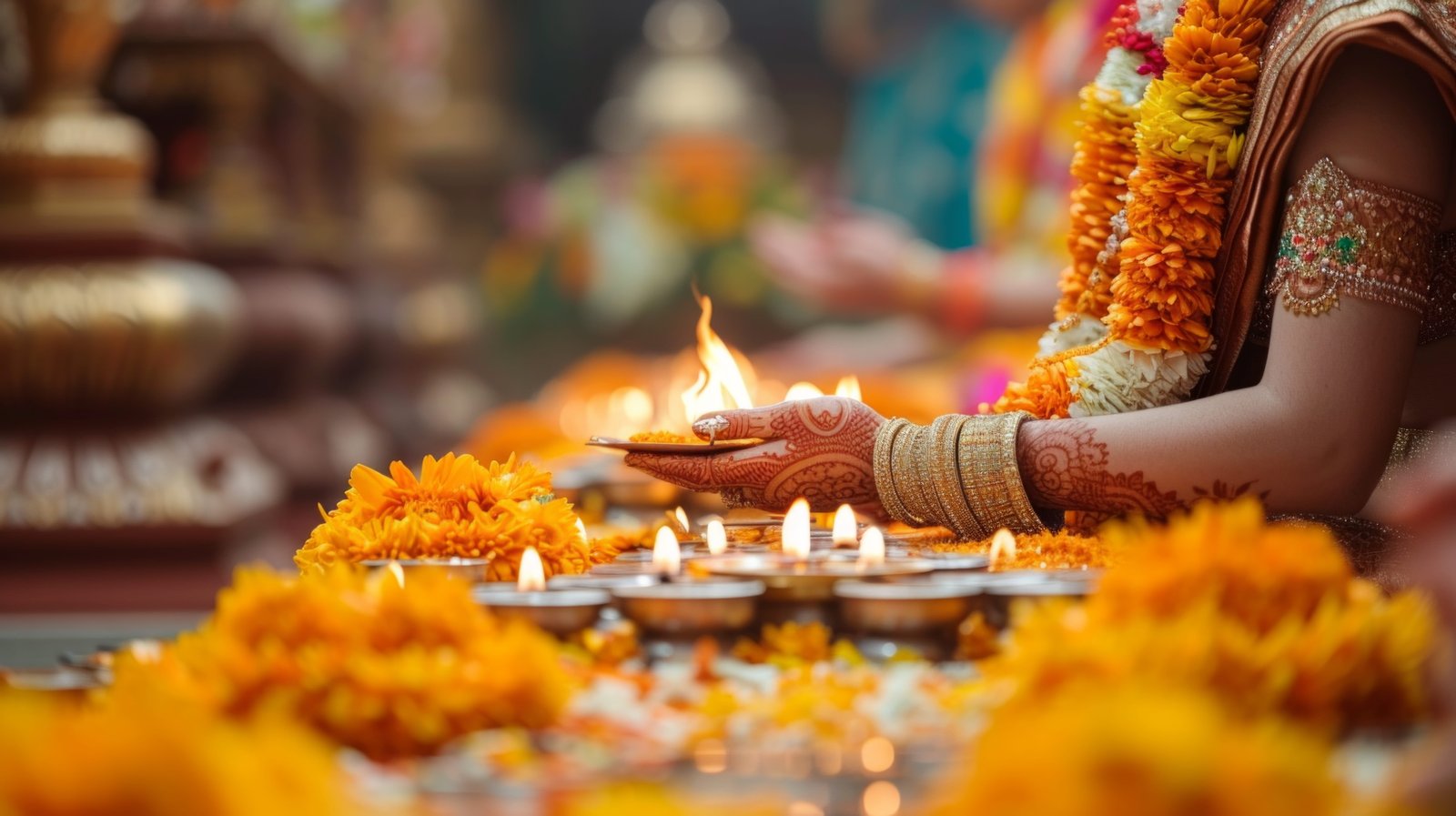
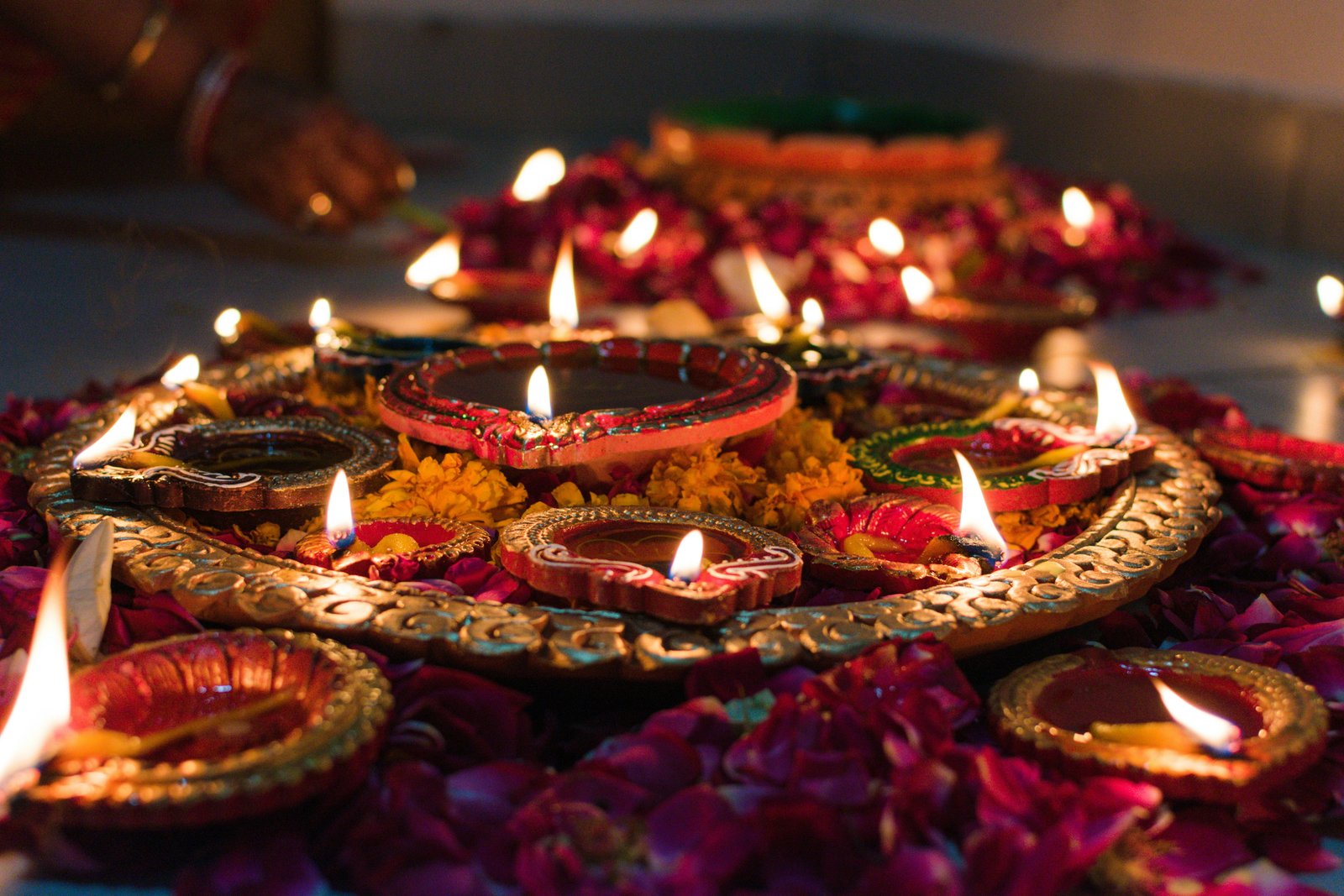
However, the people of Ayodhya did not allow the darkness to overshadow their happiness. They illuminated their homes with lamps to welcome Lord Ram, turning an otherwise dark night into a celebration of light.
The centre said this tradition carries a message that remains relevant even today. Difficult circumstances and uncertainty should not prevent people from celebrating hope, unity and the possibility of a better future.
It observed that despite challenging planetary positions and difficult times, homes continue to glow with lamps during Diwali. Families celebrate together, children enjoy festivities and communities come alive with happiness.
According to the message, the celebrations are not merely about noise or fireworks. They also symbolise an effort to overcome inner fears, doubts and the feeling of defeat, replacing them with confidence, happiness and peace.
Diwali's message is to awaken the human spirit
The centre said darkness makes light more visible, just as silence makes a sound more noticeable. The sages, it suggested, chose the dark night of Amavasya to awaken the human spirit and encourage people to recognise the importance of hope and positivity.
The message also addressed discussions around noise and pollution during Diwali. It cautioned against allowing these concerns to overshadow the festival's deeper cultural and spiritual significance.
It maintained that the central message of Diwali was not about creating noise to overcome darkness, but about spreading light and replacing inner turmoil with peace.
“The message of Diwali is clear: to defeat darkness, we need light, not noise; and to conquer the mind, we need peace, not silence,” the message stated.
Prayers for prosperity and happiness
Concluding the Diwali greeting, Astro Jitendra of the Vidya Bhavan Astro Research Centre prayed for the blessings of Goddess Lakshmi, seeking happiness, prosperity, success and abundance for everyone.
The message expressed hope that every household would be blessed with wealth and well-being, and that people's aspirations and wishes would be fulfilled.
It also offered a symbolic prayer that silence in people's lives would give way to peace and darkness would be transformed into light.
Calling upon people to embrace the spirit of the festival, the centre urged everyone to make a resolve this Diwali: “We want peace, not silence. We want light, not darkness.”
The greeting was signed by Astro Jitendra on behalf of the Vidya Bhavan Astro Research Centre, which extended warm Diwali wishes to people and their families.
Astro Jitendra
Vidya Bhavan Astro Research Centre
Mobile: 9829 615 085