New Delhi; November 2026: India's Ministry of Finance expects strong economic growth to continue in the coming months, supported by resilient consumer demand and a recovery in private investment. However, accelerating inflation, climate-related factors and the Middle East conflict remain key risks to the economy as the trends in tax revenue, energy consumption and freight traffic indicate continued economic momentum in the third quarter of the fiscal year. The assessment comes ahead of the release of GDP data for the July-September period, scheduled for November 30. Economists surveyed expect India's economy to have grown by approximately 08% during the period.
The Ministry of Finance, Government Of India has warned that an unfavourable base effect could continue to influence inflation in November. An exceptionally strong El Niño weather phenomenon, expected to peak toward the end of 2026, poses an additional risk. The festive and wedding seasons could also drive up food and non-food prices.
The ongoing Middle East conflict and threats to shipping through the Strait of Hormuz risk increasing oil import and transportation costs. Lower oil prices and a stronger Indian rupee could partially offset these pressures.
Amid inflation risks, the Reserve Bank of India (RBI) is expected to raise its benchmark interest rate by 25 basis points to 5.75% on December 04th next month. The Reserve Bank Of India (RBI) has already raised the rate to 5.5% in October 2026, shifting toward gradual monetary tightening.
Despite external risks, the Ministry of Finance expects resilient consumption, increased private investment and government support for manufacturing to sustain economic growth. Business activity could also remain strong, supported by an increase in new orders and easing production cost pressures. Meanwhile, Indian regulators are considering establishing a dedicated platform for trading shares of companies preparing for initial public offerings (IPOs).
The initiative aims to strengthen oversight of the informal market for securities before they are listed on stock exchanges. Trading on the new platform would be limited to shares of companies planning IPOs and would not extend to other privately held businesses.
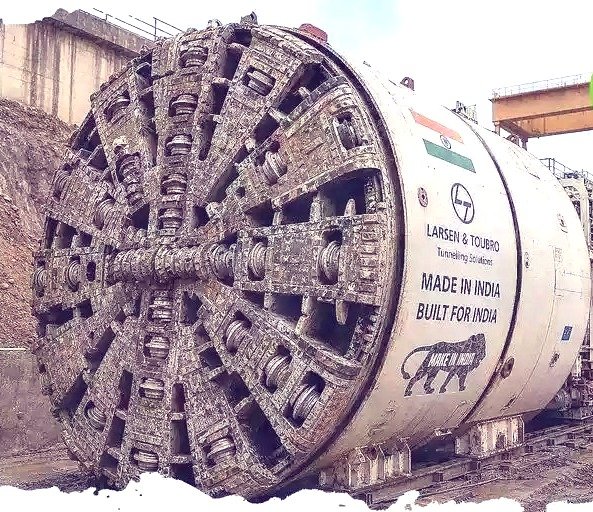
Earlier, India has approved a $1.2 billion incentive program for construction equipment manufacturing. The initiative aims to strengthen the country's domestic industrial sector. The new 08 year programme targets advanced machinery and components after China tightened export controls on tunnel boring machines from November 18.
Information Minister Ashwini Vaishnaw told reporters the scheme is designed to make local production viable by matching incentives to the country's current level of import dependence. The programme provides sales-linked incentives to original equipment manufacturers including JCB, Caterpillar, and Hitachi, as well as component makers, including small businesses. It also includes grants for testing equipment. The plan covers seven (07) categories of equipment, including tunnel boring machines, excavators and drilling machines, along with five component categories such as engines and transmission systems.
India relies heavily on imported tunnel boring machines, with China among the main suppliers of tunnelling and other boring equipment used in metro rail and highway construction. Vaishnaw said India's construction and infrastructure equipment market is valued at $10.5 billion, making it the world's third-largest, while imports meet 45% of demand.
According to the Information Minister Ashwini Vaishnaw, the incentive programme is expected to attract investments of 210 billion rupees, or about $2.27 billion, and generate import substitution worth 225 billion rupees. The government is positioning the scheme as part of a broader push for industrial self-reliance in a sector tied closely to transport and infrastructure expansion.
Team Maverick.