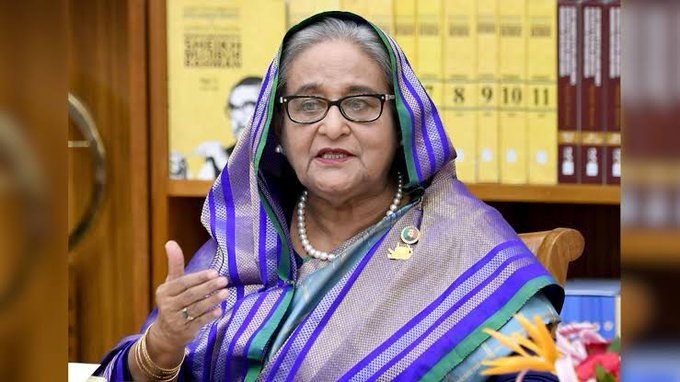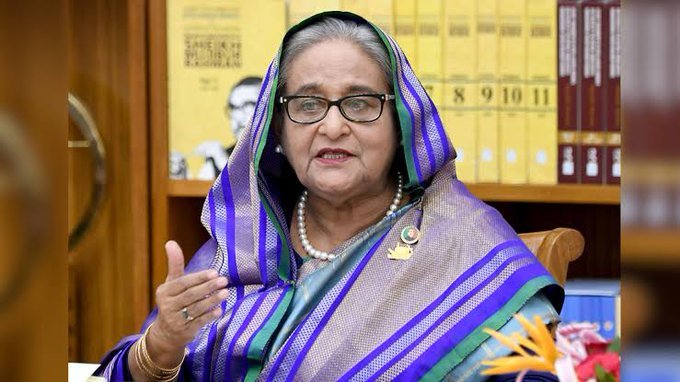
New Delhi, November 10: A request submitted to the Bangladesh High Commission in New Delhi for travel and identity documents for former Prime Minister Sheikh Hasina has reportedly triggered strong reactions in Dhaka, where questions are mounting over her safety and the future of her political associates if she returns to the country.
Hasina has been living in India since August 2024, following her departure from Bangladesh amid widespread anti-government protests. The request, reportedly submitted through a London-based legal firm, sought a new Bangladeshi passport and National Identity Card (NID) after the revocation of her existing documents.
However, Dhaka appears to favour bringing the former Prime Minister back through an extradition process rather than facilitating her voluntary return by issuing fresh travel documents.
The developments have raised fresh questions about the legal and political circumstances surrounding Hasina's possible return, particularly after Bangladesh's International Crimes Tribunal (ICT) reiterated that her death sentence would be implemented if she came back.
Bangladesh Tribunal Rules Out Alternative to Death Sentence
A day after the travel document request, ICT Chief Prosecutor Md Shahriar Alam reportedly said there was no alternative to executing the death sentence if Hasina returned to Bangladesh, according to the Bengali newspaper Prothom Alo on Tuesday.
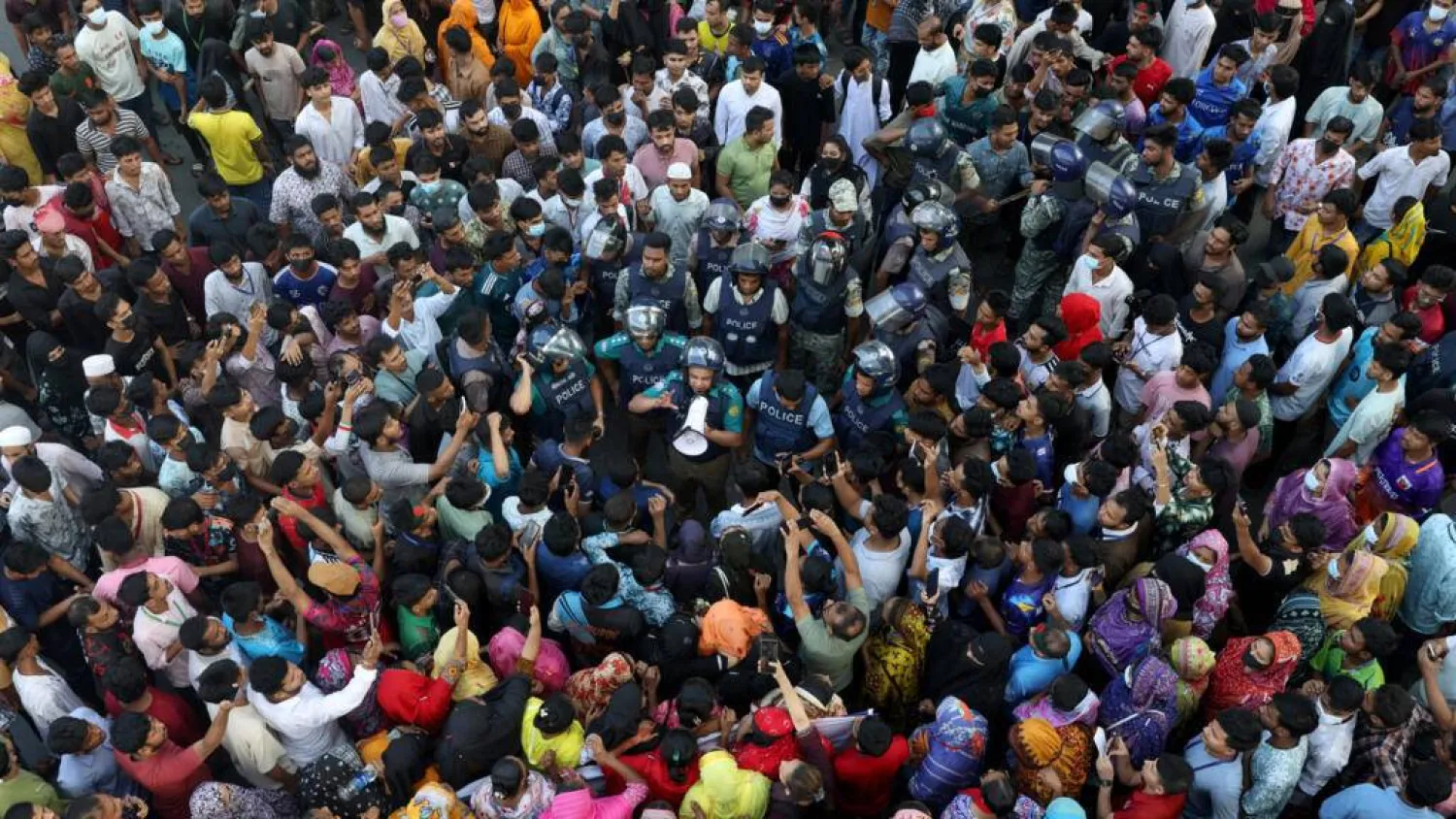
The statement comes amid continuing legal proceedings against Hasina and several former officials over allegations connected to the July 2024 crackdown on anti-government protests.
Separately, Bangladesh Law Minister Md Asaduzzaman informed Parliament on Tuesday that 1,883 cases had been filed across the country since the July 2024 protests. Of these, 805 were murder cases, according to The Daily Star.
The minister also said that 79 cases had been filed or registered with the International Crimes Tribunal against those accused of attacking participants in the July 2024 student movement.
Of these cases, eight had been finally disposed of through full verdicts. A total of 73 defendants had been sentenced, including 24 who received death sentences and 49 others who were awarded different prison terms, including life imprisonment. Sheikh Hasina is among those sentenced to death, the report said.
The ICT was established to prosecute serious offences, including genocide, crimes against humanity and war crimes. Its recent proceedings against Hasina and former government officials have become a significant part of Bangladesh's political transition, attracting international attention over questions of accountability, justice and democratic stability.
Dhaka Prefers Extradition Route
Bangladesh's government has indicated that it intends to pursue extradition to secure Hasina's return from India.
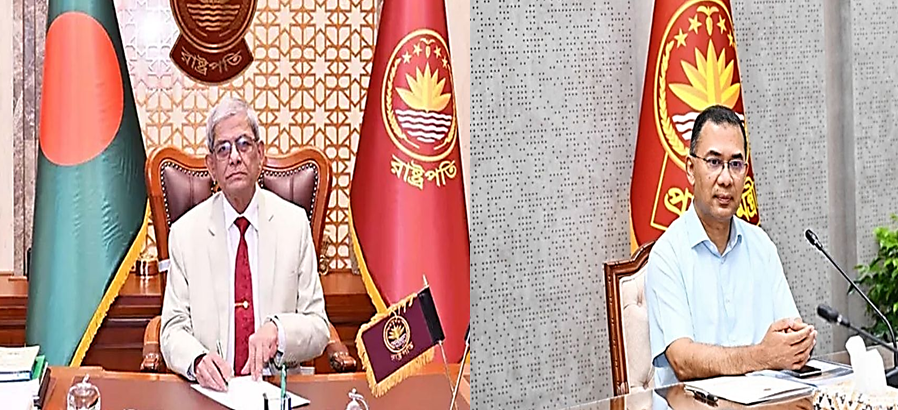
Quoting Prime Minister Tariq Rahman's Information and Broadcasting Adviser Zahed Ur Rahman, The Business Standard reported that the government would bring Hasina back through the extradition process.
Zahed said Dhaka saw no legal complications in seeking her return under the existing extradition treaty between India and Bangladesh.
He added that legal complications could arise if the person facing extradition approached a court to challenge the process. However, he considered such a situation unlikely if Hasina herself wanted to return to Bangladesh.
His remarks suggest that the government is not treating the request for fresh travel documents as the preferred route for facilitating her return.
Questions Over Passport and Identity Card Application
Responding to reports that Hasina had applied for a new passport and National Identity Card, Zahed said she had not personally submitted any application.
He claimed that the Bangladesh High Commission's press minister had received a letter from a law firm seeking arrangements for the issuance of a passport to the former Prime Minister.
The request was reportedly submitted through a London-based legal firm after Hasina's existing travel and identity documents were revoked. Her lawyers argued that she continued to hold Bangladeshi nationality and was entitled to the relevant documents under Bangladeshi and international law.
Reports said the application was connected to Hasina's stated intention to return to Bangladesh and face the legal process there.
However, questions have also been raised by officials over whether the lawyers were formally authorised to represent her. The email reportedly did not include documentary evidence establishing such authorisation.
The High Commission is understood to have forwarded the correspondence to Dhaka for examination.
The reported developments highlight the contrasting positions surrounding Hasina's return. While the legal request seeks to secure travel documents on the basis of her Bangladeshi nationality, the government in Dhaka has maintained that extradition is the route it intends to pursue.
With the death sentence, multiple legal cases and questions over the validity of the passport application adding to the uncertainty, Hasina's possible return remains a politically and legally sensitive issue for Bangladesh.