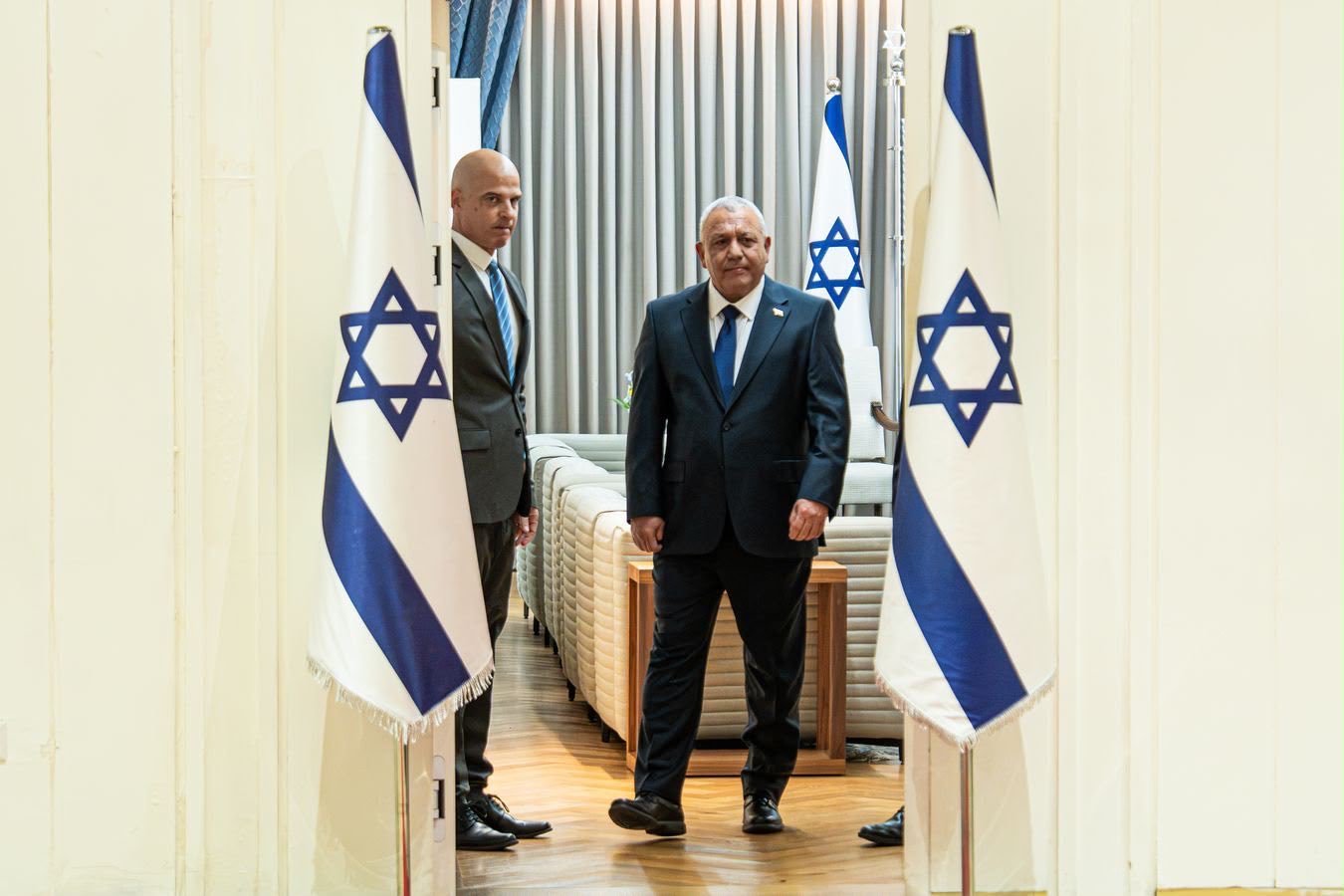
Jerusalem, November 2026 : Gadi Eisenkot, who has been tasked with forming Israel’s next government, has invited the right-wing Likud party of caretaker Prime Minister Benjamin Netanyahu for coalition negotiations, signalling an effort to explore all possible political arrangements following the inconclusive October election.
Eisenkot’s centrist Yashar party said on Saturday that discussions with Likud would begin on Sunday and would involve an extended round of negotiations. The party described the move as reflecting a “genuine commitment to forming the broadest possible government”.
“In an effort to pursue every option for forming a new government, Yashar Chair Gadi Eisenkot has instructed the party’s negotiating team to invite its Likud counterparts to a marathon series of talks beginning with the meeting already scheduled for tomorrow,” the party said in a statement.
Eisenkot, a former military chief, has until next month to secure enough support to replace Netanyahu. The October election failed to give either political bloc a clear parliamentary majority, leaving the country facing another period of coalition negotiations.
The announcement comes amid divisions within Eisenkot’s broad political camp over the possible composition of the next government. The choices include alliances with ultra-Orthodox parties, cooperation with Arab-majority political lists or the formation of a national unity government involving Netanyahu’s Likud bloc.
Former prime minister Naftali Bennett, a prominent figure in Eisenkot’s camp, on Saturday called for a “Zionist unity government headed by Eisenkot”. Bennett also made clear that his party would not join Netanyahu or his political bloc, highlighting the differences within the opposition camp over the way forward.
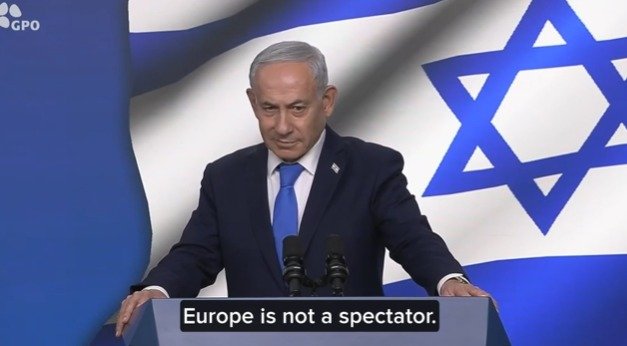
Netanyahu has repeatedly advocated a national unity government, arguing that such an arrangement is necessary to safeguard Israel’s security. Shortly after Eisenkot announced the invitation, Likud outlined conditions for participating in a unity arrangement.
The party called for an end to what it described as “all personal attacks and incitement”, as well as political boycotts targeting Netanyahu and his government. It also proposed a joint declaration supporting a unity government comprising parties that recognise Israel as the nation-state of the Jewish people, while excluding Arab parties.
Likud’s proposed guidelines include rejecting Palestinian statehood, maintaining Israel’s security zones in Syria, Lebanon and Gaza, and recognising Israel as the nation-state of the Jewish people. The party also called for a broad agreement with ultra-Orthodox community leaders on the contentious issue of military conscription.
Netanyahu and his allies have repeatedly criticised Arab party leaders for refusing to describe Hamas as a terrorist organisation following its October 7, 2023, attack on Israel. Leaders of Arab parties have condemned the attack.
Eisenkot has indicated that he is open to including members of Likud in a future government but has previously ruled out serving in an administration headed by Netanyahu.
On Friday, he said he would not allow coalition negotiations to continue indefinitely. If efforts to establish a broad-based government fail, he would be prepared to present a minority national emergency government for a parliamentary vote.
The coming negotiations are expected to test whether the political differences among Israel’s major blocs can be bridged to form a functioning government.
Disclaimer: This review is based on the reviewer’s individual perspective. Audience opinions may vary.