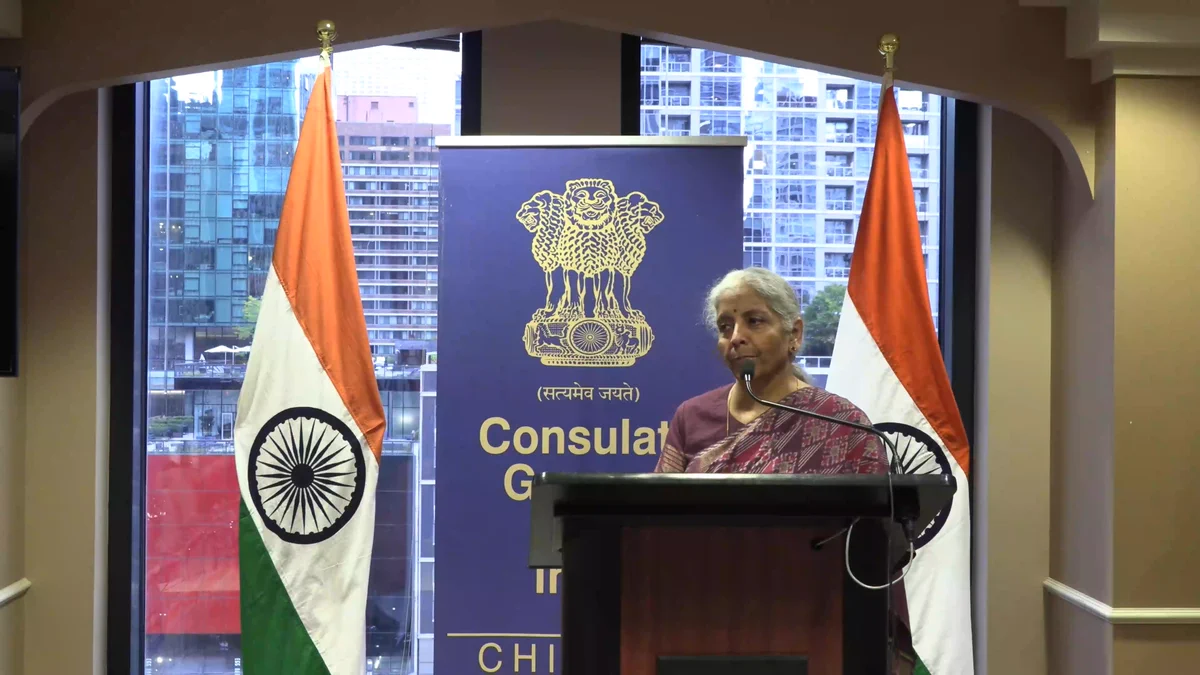
Asheville, Aug 2026 : Energy security, the economic fallout from the Iran conflict, rising trade tensions and Washington’s efforts to intensify pressure on Tehran are expected to figure prominently as Union Finance Minister Nirmala Sitharaman participates in the G20 Finance Ministers and Central Bank Governors meeting in Asheville, North Carolina, on Monday.
Sitharaman arrived at Greenville-Spartanburg International Airport in South Carolina on Sunday, where she was received by India’s Ambassador to the United States Vinay Mohan Kwatra. She is scheduled to attend the G20 Finance Track and related meetings over the next two days.
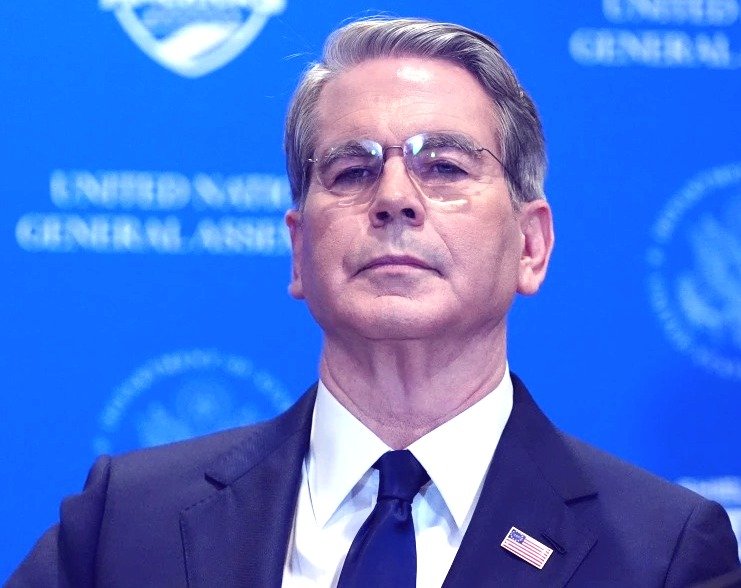
The US Treasury Department, headed by Secretary Scott Bessent, is hosting finance ministers and central bank governors from the world’s leading economies. The discussions are expected to focus on reviving global economic growth, addressing economic imbalances, managing sovereign debt and building more resilient supply chains.
For India, the economic consequences of the conflict involving Iran and disruptions to commercial traffic through the Strait of Hormuz will be among the most closely watched issues. The strategic waterway is a major route for global energy shipments, and prolonged disruptions could have significant consequences for countries heavily dependent on imported crude oil and gas.
India imports a substantial share of its crude oil requirements, making fluctuations in international energy prices particularly important for its economy. Higher crude oil and natural gas prices, combined with increased freight and marine insurance costs, could raise India's import bill, put upward pressure on inflation and add pressure on the rupee.
India Faces Iran-US Balancing Act
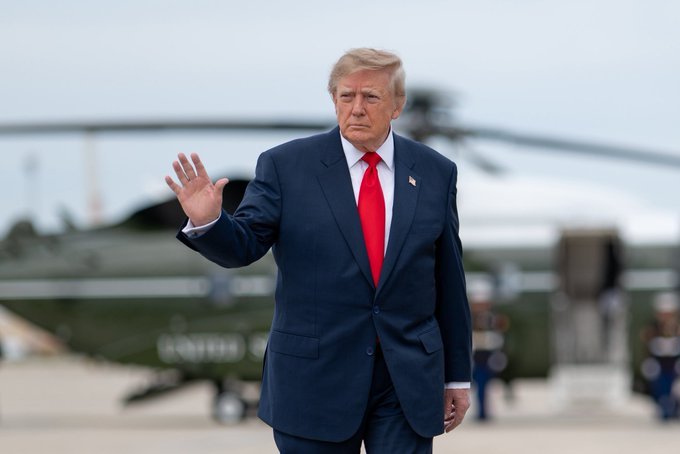
New Delhi will also closely monitor Washington’s efforts to build international support for tougher economic measures against Iran. The Trump administration is expected to urge G20 countries to reduce commercial and financial links that Washington believes provide Tehran with an economic lifeline.
India, however, has longstanding economic and strategic ties with Iran, including its involvement in the development and operation of the Chabahar port. The port is important to India’s connectivity strategy towards Afghanistan and Central Asia and provides an alternative route bypassing Pakistan.
Consequently, New Delhi is expected to seek a balance between its strategic partnership with Washington and its established interests in Iran and the wider region.
Trade Imbalances Another Key Issue
Trade imbalances and industrial overcapacity are also likely to feature prominently in the discussions. The United States wants the G20 to examine economic policies that encourage excess industrial production and enable heavily subsidised goods to enter international markets.
While US officials have not explicitly identified China in describing this agenda, the issue reflects Washington’s longstanding concerns over Beijing’s export-driven economic model and the impact of Chinese manufacturing on global markets.
India shares some concerns over the impact of low-cost Chinese imports on domestic producers, particularly in sectors such as steel, chemicals, electronics and renewable-energy equipment. At the same time, New Delhi is likely to caution against unilateral tariffs and excessive protectionism, which could hurt emerging economies and disrupt global trade.
The G20 discussions could therefore provide India with an opportunity to advocate for a more balanced trading system while protecting its domestic manufacturing interests.
India Pitches Itself as Investment Hub
Sitharaman is also expected to use her engagements with global policymakers and business leaders to strengthen India’s position as a manufacturing and investment destination at a time when multinational companies are reassessing global supply chains.
Ahead of the G20 meeting, the Finance Minister participated in a business roundtable in Chicago, where she urged international companies to establish manufacturing facilities, technology centres and innovation hubs in India.
“The policy environment is increasingly focused on enabling businesses to invest, manufacture, innovate and expand,” she said.
Sitharaman emphasised that India should not be viewed merely as a large consumer market but increasingly as a platform for manufacturing, innovation and exports.
“As global companies reassess supply chains and capital allocation, India offers not only scale as a market, but increasing depth as a long-term investment and operating platform,” she said.
She highlighted opportunities across manufacturing, artificial intelligence, digital technology, financial services, infrastructure, food processing, defence and other advanced technology sectors.
Sovereign Debt and Development Financing
Sovereign debt is another major issue expected to dominate the Asheville discussions. India has consistently advocated faster, more transparent and predictable mechanisms for restructuring the debt of vulnerable and debt-distressed countries.
New Delhi is also expected to reiterate its support for strengthening multilateral development banks and increasing their capacity to finance infrastructure and development projects in emerging and developing economies.
India has argued that developing countries require greater access to affordable long-term financing as they deal with climate-related challenges, infrastructure gaps and slower global economic growth.
US Treasury Secretary Scott Bessent said after arriving in Asheville that Washington was placing economic growth at the centre of its G20 Finance Track priorities.
“We look forward to convening policymakers and private sector leaders from around the globe to emphasize that stronger growth is not only possible, but necessary,” Bessent said in a post on X.
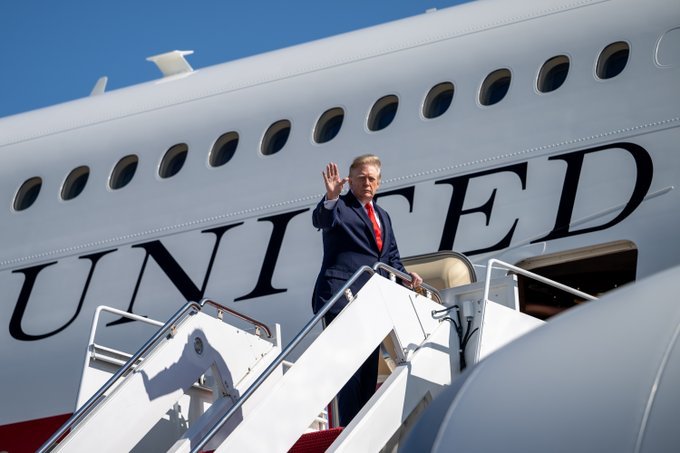
The Asheville meeting forms part of the G20 Finance Track leading up to the leaders’ summit, which US President Donald Trump is scheduled to host in Miami in December.
For India, the meetings will provide an important platform to press for energy security, stable global trade, resilient supply chains and greater development financing while simultaneously navigating complex economic and strategic relationships with the United States, Iran, China and other major economies.