New Delhi, Sep 2026 : A novel form of high-speed yoga that combines physical movement with visual and auditory cues may provide additional cognitive and physical benefits to older adults compared with traditional Hatha yoga, according to a recent pilot randomised controlled trial published in Scientific Reports.
The study found that both the newly developed YogaCue programme and conventional Hatha yoga were linked to improvements in cognitive and physical performance among older adults after 24 weeks of supervised practice. However, researchers observed that YogaCue appeared to produce additional benefits in areas such as verbal and episodic memory, aerobic fitness, lower-body power and certain measures of physical performance.
Cognitive abilities naturally tend to decline with advancing age, potentially affecting memory, attention, concentration and the ability to independently perform everyday activities. As a result, researchers have increasingly focused on accessible forms of exercise that could help older adults preserve both brain health and physical independence.
Previous research has suggested that regular physical activity, including yoga, can contribute to better mobility, balance, flexibility and overall physical functioning, while also supporting aspects of cognitive health. The latest pilot study sought to determine whether adding faster movements and external sensory cues to yoga could provide additional benefits.
Researchers compared two groups of older adults who participated in either traditional Hatha yoga or the YogaCue programme. The study assessed changes in cognitive ability, functional mobility, neuromuscular performance and aerobic capacity.
YogaCue was designed around a combination of movement, action observation and verbal instructions. At the beginning of the programme, participants learned numbered movement sequences. These sequences were later associated with colour-based cues. Coloured paddles were subsequently used as visual signals, while verbal instructions continued to guide participants through the exercises.
An auditory cue in the form of a gong was also incorporated into the sessions. The sound signalled participants to switch between paired movement sequences. The order in which the sequences were performed was randomised, requiring participants to remember the movements while responding quickly to changing instructions.
The programme was also progressively accelerated. As participants became more familiar with the movements, the duration of individual poses and the intervals between poses were reduced. This created a faster-paced routine intended to challenge participants physically while simultaneously engaging their attention, memory and ability to respond to external signals.
The Hatha yoga programme followed a more conventional approach. Participants performed gentle seated and standing poses at a slower and relatively consistent pace. While the programme remained less demanding in terms of speed, the complexity and variability of the poses increased as the sessions progressed.
The study initially included 54 participants who were randomly assigned to the two groups. However, only 34 completed the full 24-week intervention and the subsequent post-intervention assessments. The final analysis included equal numbers of participants from the YogaCue and Hatha yoga groups.
Participants were recruited in two waves beginning on October 30, 2023, and October 16, 2024, through flyers and telephone lists. They were between 60 and 90 years old, lived independently in community settings and participated in three supervised yoga sessions each week. Each session lasted approximately 60 minutes and was conducted by certified yoga instructors.
The participants did not report memory complaints and did not have uncontrolled neuromuscular, cardiovascular, cerebrovascular, systemic inflammatory or autoimmune diseases. Researchers collected participants’ health histories and carried out anthropometric assessments, including measurements of height, weight and body fat percentage.
Cognitive performance was assessed using several established tests, including the Hopkins Verbal Learning Test, Trail-Making Tests and assessments from the National Institutes of Health Cognitive Toolbox. These tests examined areas such as memory, attention, working memory and executive functioning.
Physical and neuromuscular performance was assessed through one-repetition maximum and power tests involving chest and leg presses. Researchers also evaluated functional mobility, endurance and balance using the six-minute walk test, Timed Up & Go test and physical performance assessments.
Peak power during chest and leg presses was measured at loads ranging from 40 per cent to 80 per cent of participants’ one-repetition maximum using pneumatic exercise equipment. Neuromuscular assessments were conducted toward the end of the testing process to reduce the possibility that fatigue from earlier assessments would affect the results. Participants were also provided adequate recovery periods, including a five-minute rest before the one-repetition maximum test.
Across the entire group, researchers recorded significant improvements in several measures of cognitive function. These included the Flanker Inhibitory Control and Attention Test, the List Sorting Working Memory Test and the Fluid Cognition Composite Score. Both YogaCue and Hatha participants also showed significant improvement in the overall composite cognitive score.
The study additionally identified improvements in several physical and cardiovascular measures. Blood pressure, aerobic capacity, lower-limb strength and power improved at certain exercise loads. The reduction in systolic blood pressure was mainly driven by participants in the Hatha yoga group, while reductions in diastolic blood pressure were observed across both groups.
Strength gains were primarily associated with Hatha yoga, whereas improvements in lower-limb power appeared more pronounced among participants who practised YogaCue.
Some of the clearest differences between the programmes emerged in memory-related measures. Scores on the Hopkins Verbal Learning Test, including total recall, delayed recall and the percentage of information retained, improved significantly only among participants in the YogaCue group. Body fat percentage also declined significantly among those participating in YogaCue.
Functional performance showed a mixed pattern. Participants in the Hatha group demonstrated improvements in the Timed Up & Go test, while improvements in physical performance scores were more evident among those following the YogaCue programme.
Aerobic fitness also improved across the overall participant group, although the gains appeared greater among those practising YogaCue. Researchers, however, cautioned that the study did not establish clear differences between the two groups for every aerobic outcome.
The researchers suggested that the contrasting structure of the two programmes may help explain some of the findings. Traditional Hatha yoga generally emphasises postural control, breathing, body awareness, concentration and awareness of the surrounding environment. These activities can engage cognitive processes indirectly through attention and concentration while supporting flexibility, coordination, balance and range of motion.
However, conventional yoga is generally performed at a relatively low intensity and may not consistently reach moderate exercise levels.
YogaCue was designed to address some of these limitations by combining faster movement intervals with visual and auditory signals. Participants were required not only to perform physical movements but also to remember sequences, observe cues and quickly respond to changing instructions. The researchers believe this combination could produce greater simultaneous cognitive and physical stimulation.
The findings suggest that both forms of yoga may have value as exercise approaches for healthy older adults. YogaCue, in particular, may provide additional benefits for aerobic fitness, lower-body power and aspects of verbal and episodic memory.
Nevertheless, the researchers stressed that the results should be interpreted cautiously because the investigation was a small pilot study. The trial did not include a non-exercising control group, meaning the researchers could not determine how much of the improvement was specifically attributable to yoga compared with simply participating in a structured physical activity programme.
The sample was also predominantly female, and the limited number of participants reduced the study’s statistical power to detect differences between the two interventions across a range of outcomes.
Researchers said larger and more comprehensive studies will be required to confirm the findings and determine whether YogaCue can produce meaningful long-term benefits for healthy ageing. Future research could also examine yoga routines designed to target upper-body muscles and explore the biological and cognitive mechanisms behind the improvements.
The similar cognitive gains observed in both groups may also warrant further investigation. Researchers said understanding why traditional Hatha yoga and the faster-paced YogaCue programme produced comparable improvements in some cognitive measures could help identify the specific elements of yoga that contribute to maintaining brain function in later life.
Overall, the pilot trial indicates that combining physical exercise with cognitive challenges may represent a promising approach to supporting healthy ageing. While YogaCue cannot yet be considered superior to traditional yoga based on the limited evidence, the findings provide an early indication that faster, cue-based movement programmes could offer an additional way of simultaneously training the body and brain in older adults.
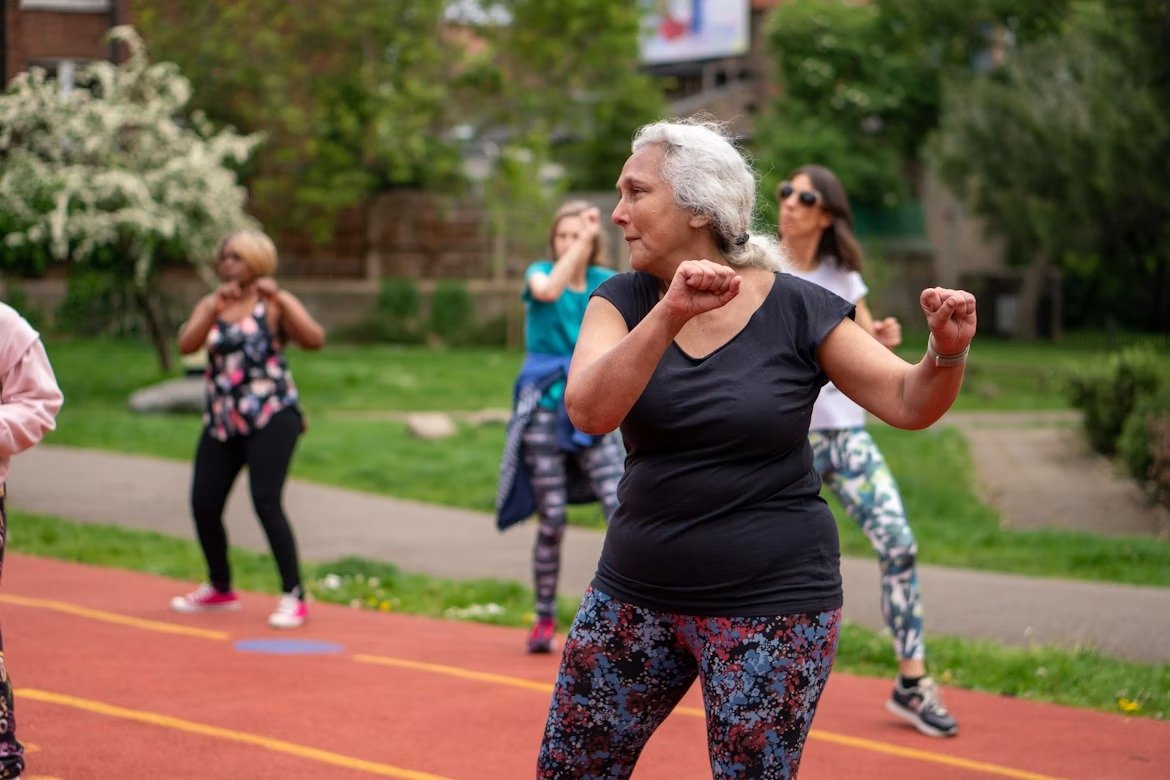
( YogaCue is a faster-paced form of yoga that combines physical movements with visual, verbal and auditory cues. Participants have to remember movement sequences and respond to changing signals, giving the workout both physical and cognitive stimulation )
(Disclaimer :The content of this article is sourced from a news agency and has not been edited by the Mavericknews30 team.)