New Delhi, Oct 2026 : The Indian Air Force (IAF) is facing a significant fighter aircraft shortfall, operating at approximately 29 squadrons against an authorised strength of 42. The gap poses a growing challenge to India's defence preparedness, particularly amid concerns about a potential two-front contingency involving China and Pakistan.
Both neighbouring countries are modernising their air forces, investing in advanced aircraft, precision weapons and increasingly sophisticated combat systems. China's progress in stealth aviation and the possibility of advanced Chinese aircraft being supplied to Pakistan add to the strategic considerations confronting Indian defence planners.
For India, the challenge is not simply to acquire more advanced fighters. It is to rebuild squadron strength while maintaining technological superiority, operational readiness and a sustainable domestic aerospace industry.
Quantity and quality must advance together
The debate over air power often centres on whether technological superiority can compensate for a numerical disadvantage. In practice, India needs both adequate aircraft numbers and advanced combat capabilities.
Modern fighters equipped with precision-guided weapons, advanced sensors, secure data links and electronic warfare systems can provide substantial operational advantages. However, even highly capable aircraft cannot indefinitely compensate for an undersized fleet.
Insufficient numbers restrict operational flexibility, reduce the ability to sustain intensive missions and make it harder to deploy aircraft across multiple theatres simultaneously. A larger, serviceable fleet also provides greater resilience when aircraft require maintenance or are temporarily unavailable.
Reversing the decline in squadron strength therefore requires faster induction of new aircraft alongside improvements in the availability of existing platforms.
Tejas Mk-1A delays require coordinated action
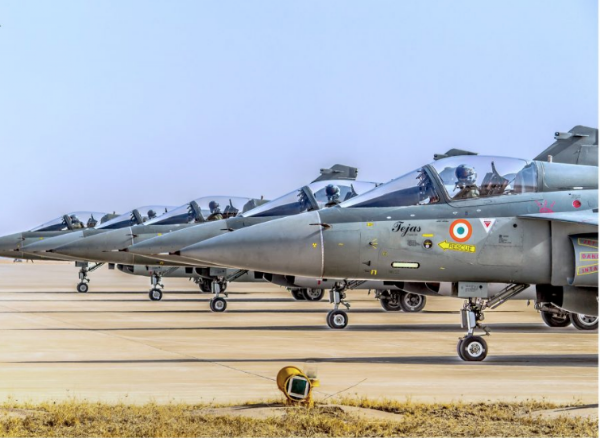
The immediate challenge is accelerating deliveries under the Tejas Mk-1A programme. Engine supply constraints, certification requirements, radar and missile integration, software validation and manufacturing limitations have contributed to delays.
These issues underline the need for better coordination between Hindustan Aeronautics Limited (HAL), engine suppliers, certification agencies, weapons developers and the IAF.
A central priority should be enabling HAL to sustain annual production of at least 20 Tejas aircraft, as envisaged in the proposed expansion of manufacturing capacity. Achieving this target will require reliable engine supplies, adequate components, skilled personnel and efficient production processes.
The supply of GE F404 engines has highlighted India's dependence on overseas suppliers for critical components. Greater predictability in deliveries is essential to prevent manufacturing schedules from being disrupted.
Certification, flight testing and weapons integration should also progress alongside production wherever technically and safely feasible. Clear accountability for the complete delivery process could help identify bottlenecks earlier and reduce avoidable delays.
MRFA and additional Su-30s could strengthen numbers
A second major opportunity lies in the proposed Multi-Role Fighter Aircraft (MRFA) programme, which envisages the acquisition of around 114 aircraft. The programme's final configuration, procurement arrangements and production timelines will be crucial in determining how quickly it can contribute to the IAF's operational strength.
Expanded Rafale production in India has been discussed as a possible route to developing additional domestic manufacturing capacity. If a production line is established, it could support local industrial capabilities, subject to the final agreement and production plan.
Additional Su-30 inductions could provide another means of strengthening the fleet, although availability, cost, upgrade requirements and long-term maintenance would need to be considered.
Combined with faster Tejas deliveries, these initiatives could increase annual fighter inductions substantially. The prospect of reaching 35 to 40 aircraft annually, however, remains conditional on procurement decisions, production capacity, engine availability, certification and supply-chain performance. It should not be treated as a guaranteed outcome.
Existing fleet readiness remains critical
New acquisitions alone will not resolve the challenge. The IAF must also maintain high serviceability across its existing Su-30, Rafale, Mirage-2000, Jaguar and Tejas Mk-1 fleets.
Reliable spare-parts supplies, timely maintenance, upgrades and rapid integration of indigenous weapons are essential to ensure aircraft remain operationally available.
The Astra family of beyond-visual-range air-to-air missiles is an important element of India's effort to expand domestic weapons capabilities. Integrating such systems across compatible platforms can improve combat options while reducing dependence on imported armaments.
Squadron strength is meaningful only when aircraft, trained personnel, weapons and logistical support are available together.
AMCA and the long-term technology challenge
Over the longer term, the Advanced Medium Combat Aircraft (AMCA) programme is central to India's ambition to develop an indigenous fifth-generation fighter. Its success could strengthen domestic aerospace expertise and reduce dependence on foreign platforms.
However, advanced fighter development involves substantial technological, financial and testing challenges. The programme will need clearly defined milestones, realistic timelines and sustained investment.
If significant delays emerge, policymakers may examine interim alternatives, potentially including the Russian Su-57. Any such consideration would require a detailed assessment of operational suitability, acquisition and lifecycle costs, technology access, interoperability, industrial benefits and geopolitical implications. No alternative should be selected solely because of pressure to fill a numerical gap.
Future warfare will depend on integrated combat systems
Modern air warfare increasingly relies on interconnected systems rather than individual aircraft alone. Sensors, communications networks, command-and-control infrastructure, electronic warfare, missiles, training and operational doctrine collectively determine combat effectiveness.
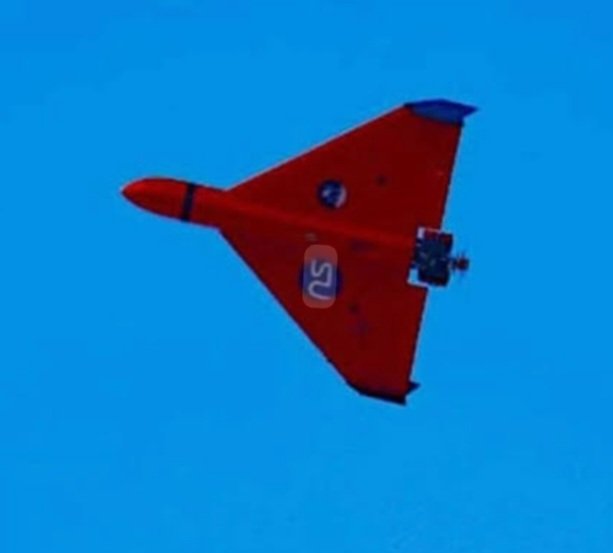
Unmanned aerial systems and loitering munitions are also expected to play a growing role. They can support surveillance, targeting and selected strike missions, but cannot fully replace manned fighters, particularly in operations requiring air superiority and sustained combat capability.
India must integrate aircraft, drones, missile forces and air-defence networks into a coordinated operational framework. Artificial intelligence could assist with data analysis, threat identification and decision support, while trained personnel remain central to critical operational decisions.
Indigenous systems such as Astra, Akash and BrahMos can contribute to this broader capability, although they serve different operational roles. Integrated air and missile defence must also evolve to address threats from aircraft, cruise and ballistic missiles, and unmanned platforms.
Self-reliance must deliver operational results
The Tejas experience highlights an important distinction: domestic design and assembly do not automatically guarantee strategic autonomy. Genuine self-reliance requires the ability to manufacture engines, components, weapons and aircraft in sufficient quantities and within operationally relevant timelines.
India's approach must therefore combine domestic development with carefully structured international partnerships.
The immediate priorities are accelerating Tejas Mk-1A production, taking timely decisions on the MRFA programme, evaluating additional Su-30 acquisitions and sustaining the existing fleet. In parallel, India must advance AMCA, strengthen indigenous weapons production and invest in unmanned systems, electronic warfare and integrated air defence.
Rebuilding fighter strength will require sustained political commitment, predictable funding and accountability across the procurement and production chain. For the IAF, closing the squadron gap is not merely a matter of aircraft numbers; it is a strategic requirement involving readiness, technology and the capacity to sustain operations in a changing regional security environment.
(Disclaimer :The content of this article is sourced from a news agency and has not been edited by the Mavericknews30 team.)