Tehran, Aug 2026 : Iran has rejected US President Donald Trump’s claim that Washington has “total control” over the Strait of Hormuz, insisting that the strategic waterway will remain closed until Tehran’s conditions are met.
The Persian Gulf Strait Authority (PGSA), in a post on X, dismissed repeated statements by Trump and other US officials suggesting that the Strait was no longer blocked. The authority maintained that the situation on the ground remained unchanged.
“The Strait of Hormuz remains blocked and will not be reopened until Iran's conditions are accepted,” the authority said.
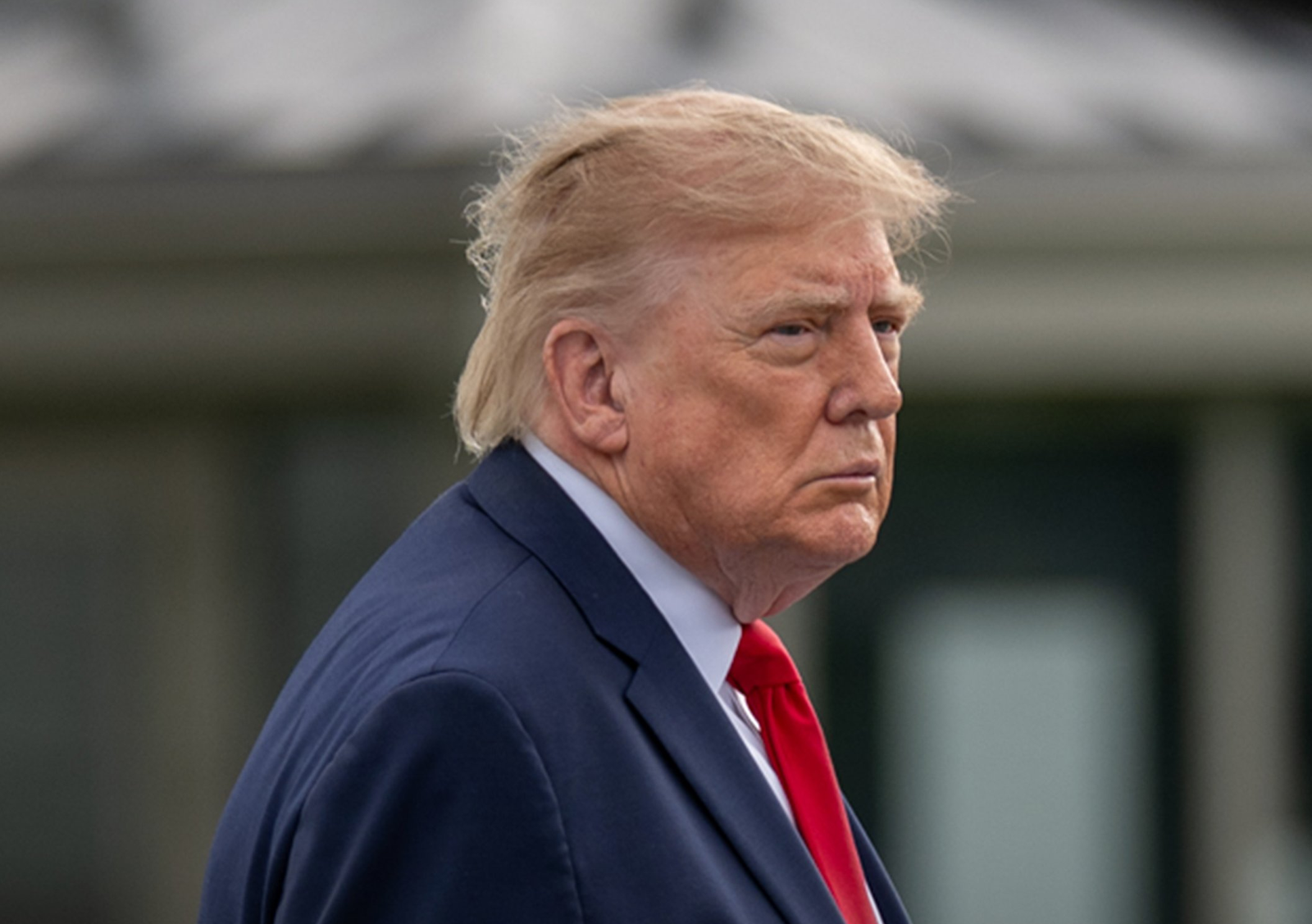
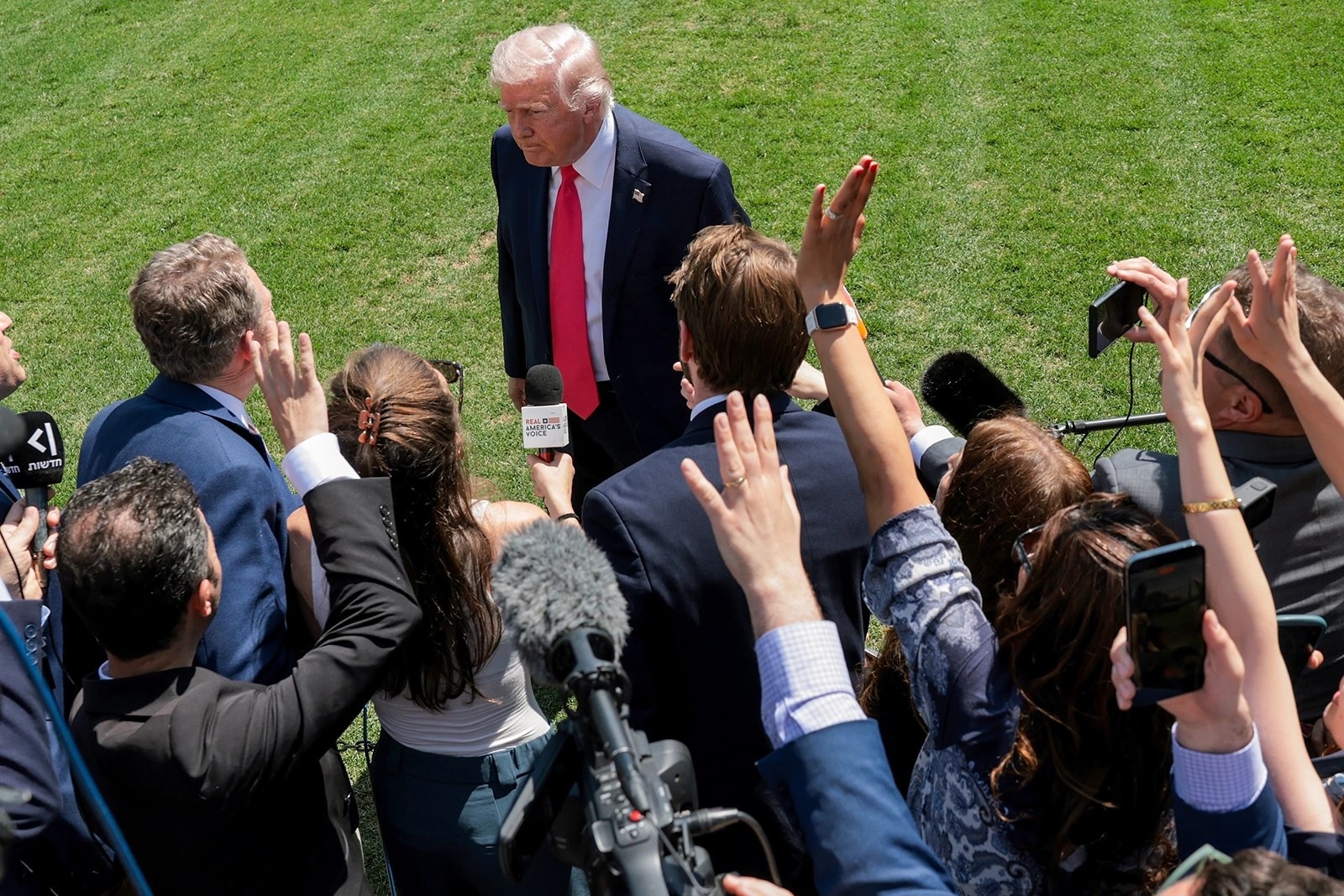
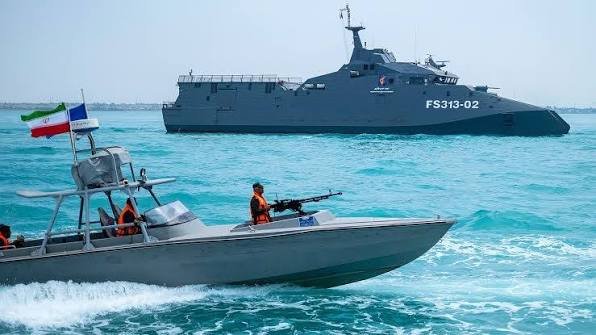
The statement came after Trump asserted that the United States had established complete control over the vital waterway and intended to maintain that position. Describing the US naval deployment in the region as a “WALL OF STEEL,” Trump said Iran had no effective means of challenging the American presence.
The US President also claimed that Iran’s military capabilities had been significantly weakened and portrayed the country as facing serious economic difficulties. His remarks marked another escalation in the rhetoric surrounding the increasingly tense situation in the Gulf.
Iranian officials, however, have rejected Washington’s characterization of the situation and continued to insist that Tehran retains the ability to determine the conditions governing access through the Strait.
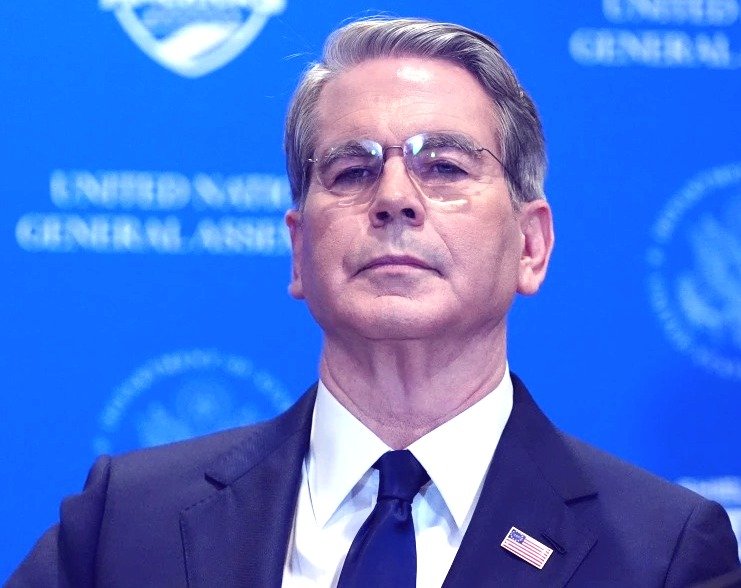
Mohsen Rezaei, Iran’s newly appointed Supreme National Security Council chief, separately warned that Tehran would not agree to a full reopening of the waterway until its demands were addressed.
Rezaei said Iran was seeking an end to what it described as the ongoing war and blockade, the release of Iranian assets frozen overseas and agreement on a broader regional ceasefire covering areas including Lebanon and Gaza.
“Until all conditions are met, the Strait will remain closed,” he said in a post on X.
The confrontation has raised concerns over the potential impact on global energy supplies. The Strait of Hormuz is among the world's most important maritime chokepoints, linking the Persian Gulf with the Gulf of Oman and the wider Arabian Sea. A substantial portion of global oil shipments passes through the waterway, making any prolonged disruption a major concern for energy markets and international shipping.
The latest standoff comes amid heightened tensions involving Iran, Israel and the United States. Washington has increased its naval presence in and around the Gulf, while diplomatic contacts are reportedly continuing in an effort to prevent further escalation.
The conflicting claims from Washington and Tehran have also added uncertainty for commercial shipping operators. Vessels operating through the region face heightened security concerns, while governments and energy markets are closely monitoring developments.
For international traders, the duration and scale of any disruption to the Strait remain critical questions. A prolonged closure could affect shipping routes, transportation costs and energy prices, with consequences extending well beyond the Middle East.
Despite the escalating rhetoric, diplomatic efforts remain focused on preventing the crisis from developing into a wider regional confrontation. Maintaining freedom of navigation through the Strait is considered crucial for global trade and energy security.
The latest exchange between Trump and Iranian officials therefore underscores the growing strategic importance of the waterway in the current crisis. While Washington maintains that it has established control, Tehran insists that the Strait will remain closed until its political and security demands are addressed, leaving the future of one of the world’s most vital maritime routes uncertain.
(The content of this article is sourced from a news agency and has not been edited by the Mavericknews30 team.)