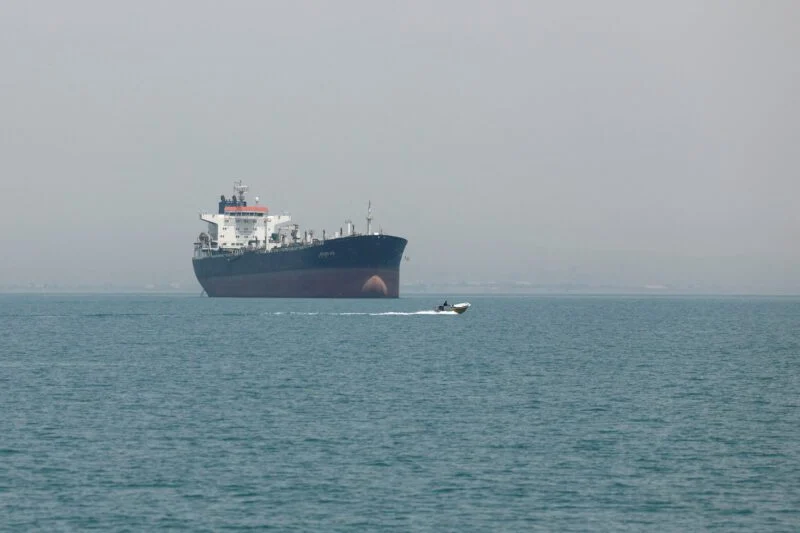
Tehran, Aug 2026 : Iran’s main military command, the Khatam al-Anbiya Central Headquarters, has asserted that no commercial vessel or tanker can safely pass through the strategically vital Strait of Hormuz without permission and supervision from Iranian authorities, sharply contradicting claims by the United States that shipping through the waterway remains under American control.
According to Iran’s state broadcaster IRIB, a spokesman for the headquarters dismissed US statements that vessels were continuing to transit the Strait normally, describing them as false claims.
The Iranian military command said the Strait of Hormuz remained under the “complete management and control” of the Islamic Republic. It warned that commercial ships and tankers would not be able to safely navigate the waterway without coordination with and approval from Iranian armed forces.
The statement comes amid an escalating confrontation between Tehran and Washington over control of the strategic maritime passage. The Strait of Hormuz connects the Persian Gulf with the Gulf of Oman and the Arabian Sea and is one of the world's most important routes for international energy shipments.
Iranian Foreign Minister Sayed Abbas Aragchi also criticised Washington’s assessment of the situation. In a post on X, Aragchi accused the United States of repeatedly miscalculating developments because of what he described as intelligence failures.
He specifically referred to the ongoing conflict with Iran and Washington’s assessment of the situation surrounding the Strait of Hormuz. Aragchi warned that inaccurate intelligence could result in further miscalculations and escalation.
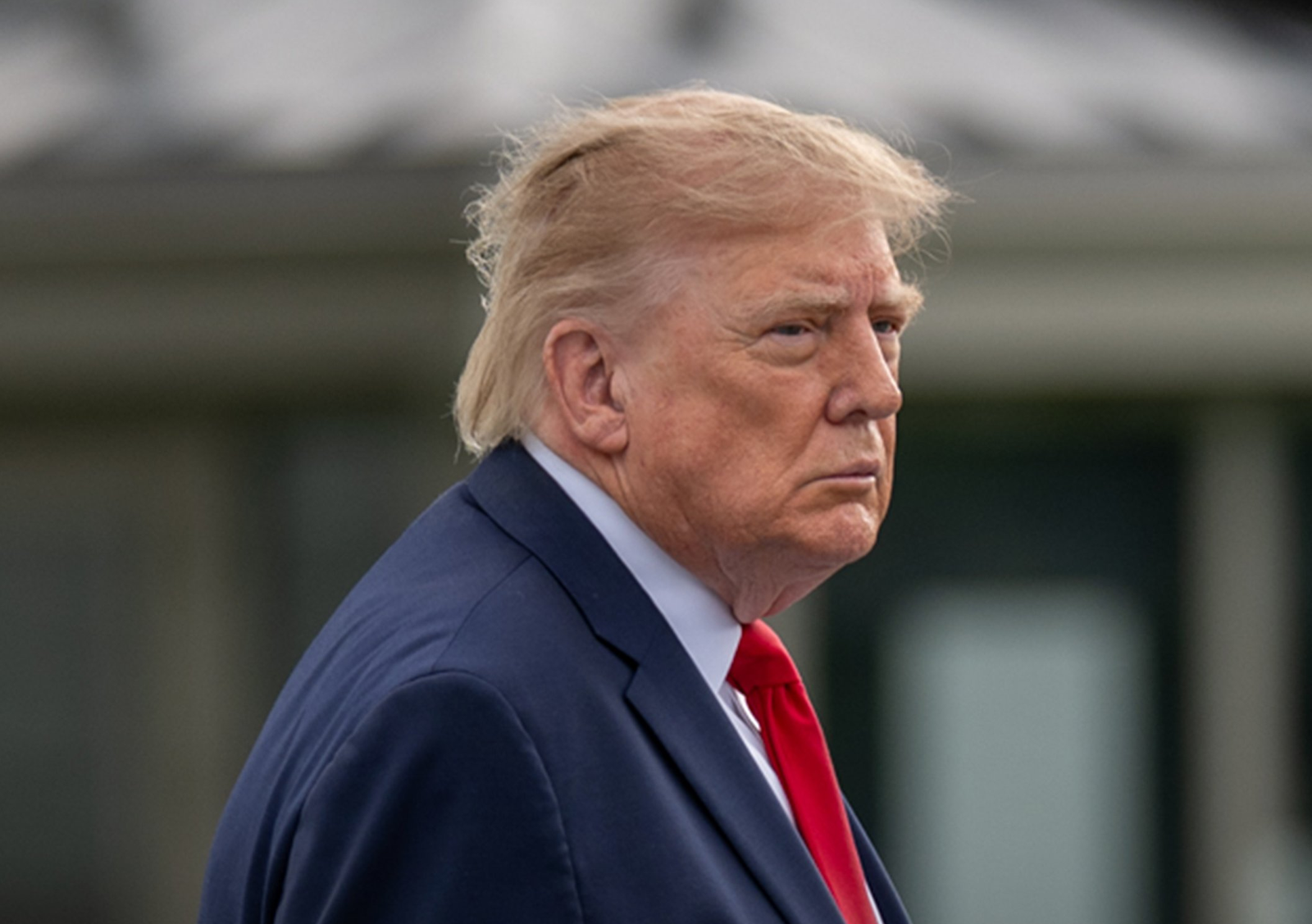
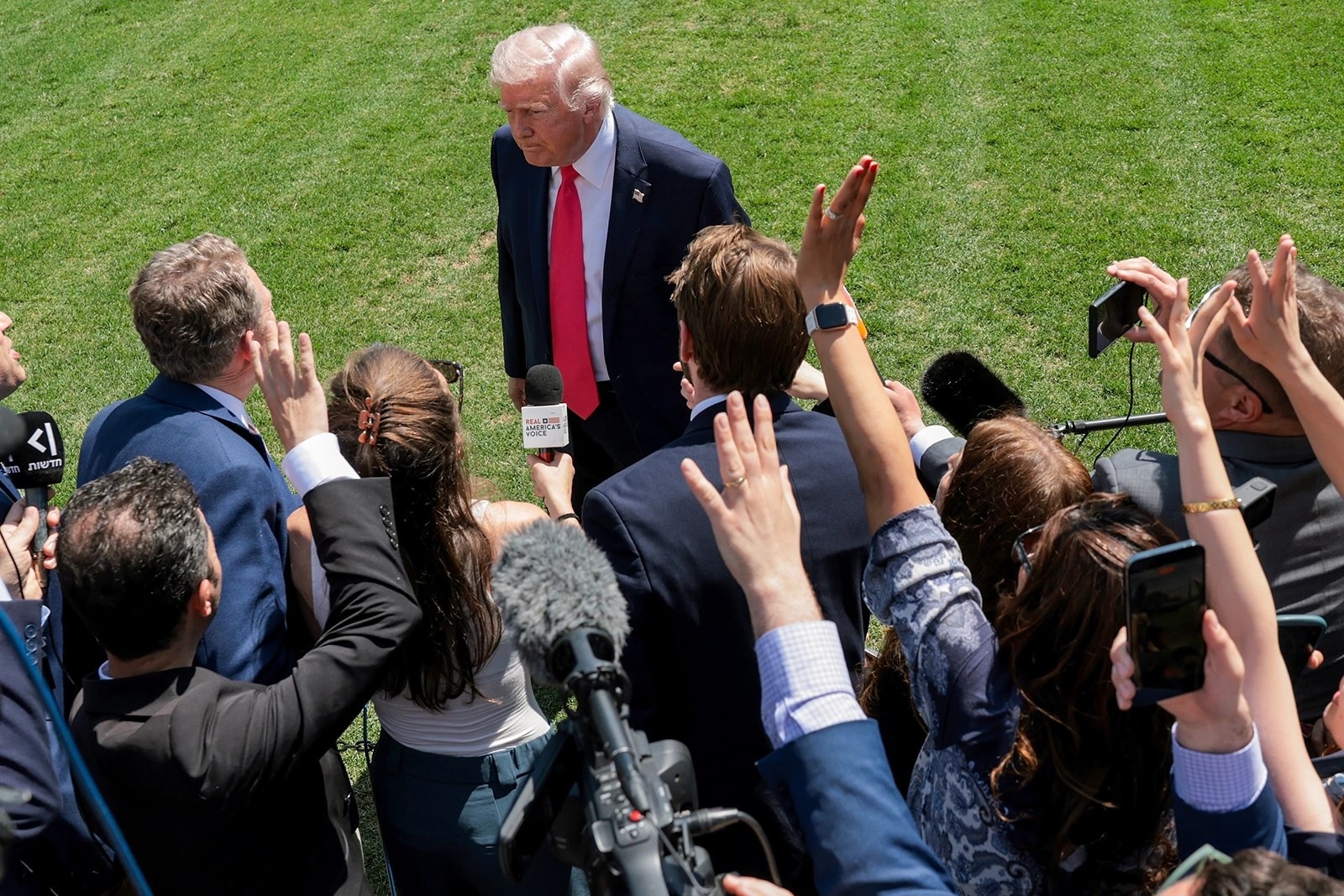
His remarks followed comments by US President Donald Trump, who on Wednesday claimed that Washington had achieved “total control” over the Strait and suggested that the United States intended to maintain that position.
Trump also described the US naval presence and blockade in the region as a “wall of steel”, asserting that Iran had little ability to challenge it.
The US President, however, did not provide details regarding the operational nature of the claimed blockade. He also did not specify how long Washington intended to maintain its presence or outline the conditions under which the operation could be brought to an end.
The conflicting claims highlight the uncertainty surrounding maritime traffic through one of the world's most sensitive shipping chokepoints. Any prolonged disruption in the Strait could have significant consequences for global energy markets, shipping costs and international trade.
Iran’s latest warning indicates that Tehran intends to retain control over maritime movement in the area, while Washington appears determined to challenge Iran’s ability to restrict shipping.
The situation remains highly volatile, with the competing claims from Tehran and Washington raising concerns about further military escalation. International attention is focused on whether diplomatic efforts can prevent the confrontation from disrupting commercial shipping through the Strait of Hormuz for an extended period.
(The content of this article is sourced from a news agency and has not been edited by the Mavericknews30 team.)