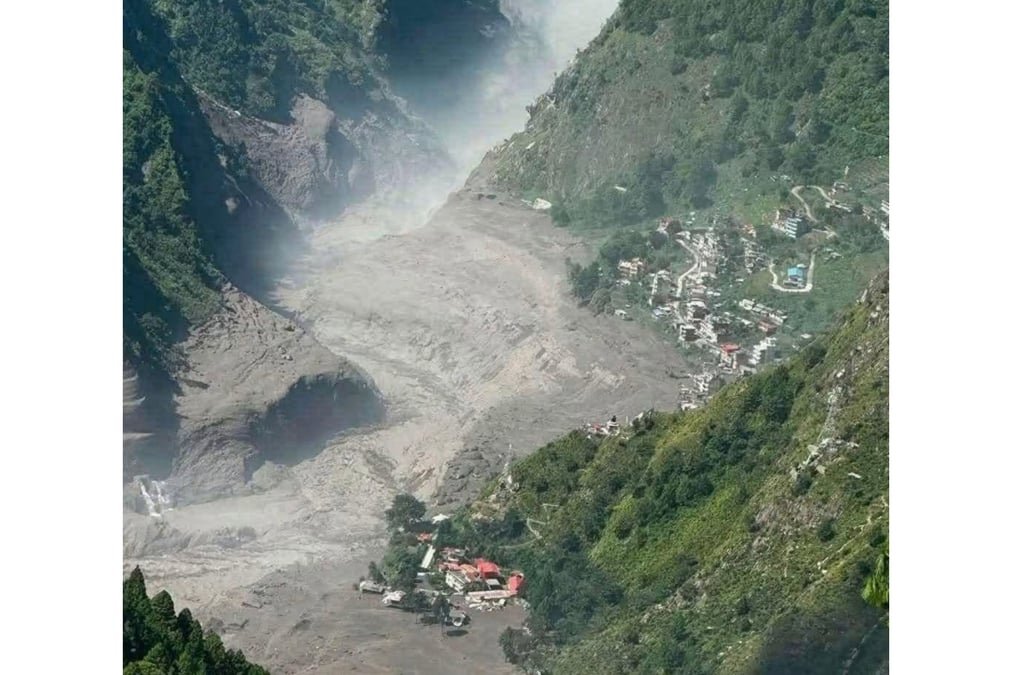

Kathmandu, September 2026 : Nepal has estimated that it will require around $4.78 billion to rebuild areas devastated by the deadly floods triggered by a glacial mountain collapse last month, as the Himalayan nation seeks greater international support to cope with the growing impact of climate-related disasters.
Nepal’s Foreign Ministry said approximately $57.67 million would be required for short-term reconstruction and recovery over the next six months, while around $4.71 billion would be needed for longer-term reconstruction.
Prime Minister Balendra Shah has vowed to strongly highlight Nepal’s climate-related disasters before the international community. Shah is scheduled to make his first foreign trip as prime minister later this month to attend the United Nations General Assembly, where he is expected to seek greater international assistance for the climate-vulnerable country.
Foreign Secretary Amrit Bahadur Rai said Shah would use the UN platform to draw global attention to the repeated loss of life and property Nepal has suffered because of climate change and the disasters associated with it.
Foreign Ministry spokesperson Lok Bahadur Chhetri said the $4.78 billion estimate represents the government’s current assessment of reconstruction requirements. The government is also conducting a comprehensive post-disaster needs assessment to determine the full scale of damage and the resources required for recovery and rebuilding.
The August 26 disaster unleashed a tsunami-like surge of water, mud and debris after a glacial collapse near the China-Nepal border. The floods devastated settlements and critical infrastructure across parts of northern Nepal and also caused extensive damage on the Chinese side of the border.
Nepal’s government has stressed that the country contributes only a tiny share of global greenhouse gas emissions despite being highly vulnerable to the effects of a warming climate. Scientists have warned that glaciers across the Himalayas are melting more rapidly as global temperatures rise, increasing risks associated with glacial lakes, landslides and sudden floods.
A preliminary UN assessment estimated that damage to buildings alone in Nepal had reached about $158 million, while the overall economic and humanitarian losses were expected to be considerably higher once damage to roads, bridges, agricultural land and other infrastructure was included.
The disaster has also severely affected Nepal’s hydropower sector. Rescuers have continued searching tunnels at hydropower projects that were inundated with freezing mud and debris. Several workers remain missing, while a number of people have been rescued from tunnels in dramatic operations. Reuters reported that rescue teams were still concentrating on workers potentially trapped at three hydropower projects.
The United Nations has launched a $50 million appeal to support more than 84,000 people affected by the disaster and said operations were gradually shifting from search and rescue towards relief and recovery, even as rescue efforts continued.
Nepal’s disaster authorities have continued search operations across the affected districts. The government’s latest official updates describe extensive damage to houses, roads, bridges, hydropower facilities and other critical infrastructure.
The disaster has strengthened Nepal’s call for long-term international assistance to help vulnerable countries adapt to changing mountain environments. Kathmandu is expected to use Shah’s upcoming UN address to press for greater global cooperation, climate financing and support for rebuilding communities and infrastructure devastated by the floods.
Disclaimer: This article is sourced from a news agency and has not been independently edited by the MaverickNews30 team. The copy has been slightly edited with AI assistance for language and presentation, without altering the original facts.