Backlog of more than 5,000 pending chemical analysis cases also cleared; active backlog at Excise Control Laboratory brought down to zero
Vehicle auctions fetch over Rs 5 crore in revenue, freeing up space at police station premises and public land
Laboratory reports that once took years will now be available within days, strengthening enforcement against illicit liquor smuggling and police investigations
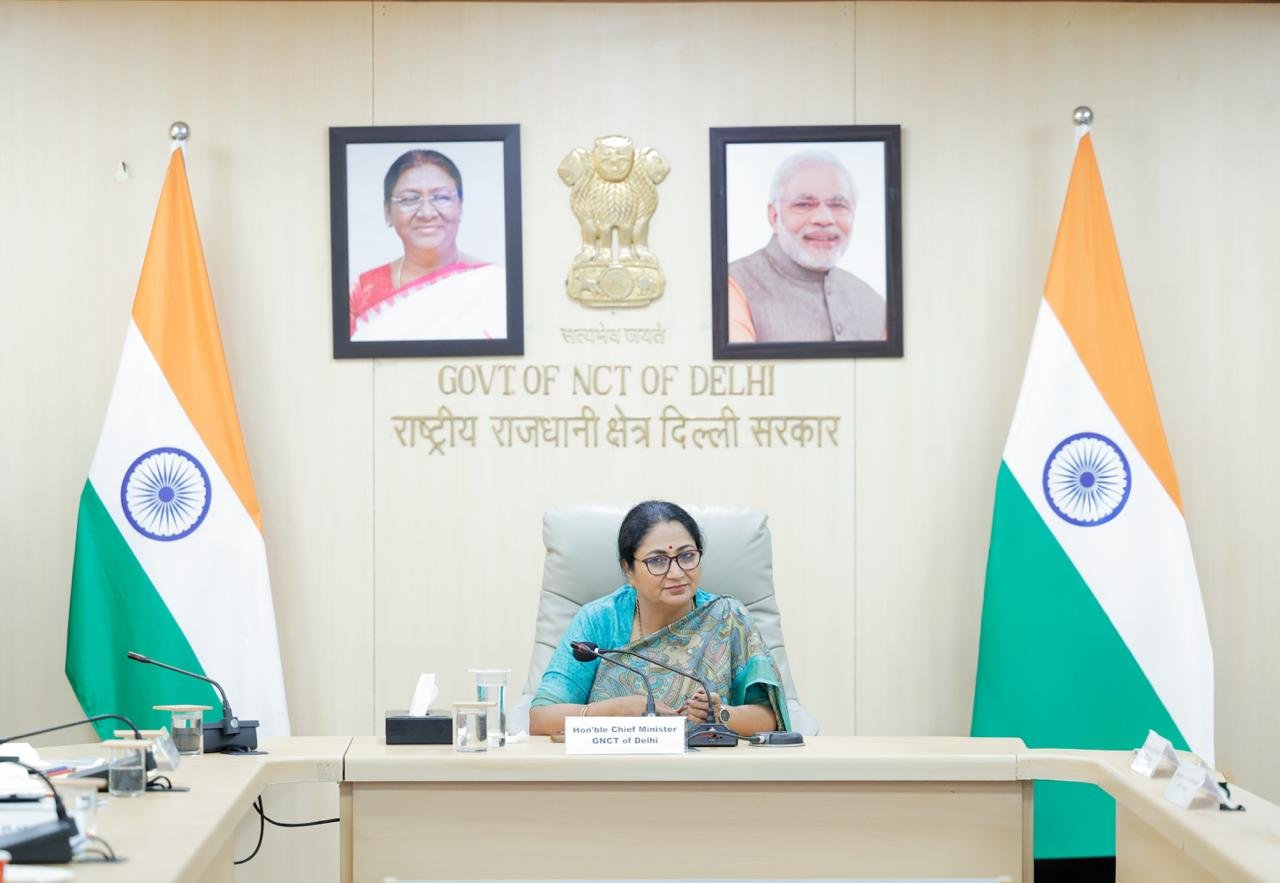
Our aim is to make governance more transparent, accountable, functional and outcome-oriented: CM Rekha Gupta
New Delhi, September 2026 : The Delhi government is taking concrete steps to make the administration more effective and functional, in line with Chief Minister Smt. Rekha Gupta’s commitment to good governance. As part of this effort, the Excise Department has achieved two significant administrative milestones. It has auctioned more than 2,000 seized vehicles that had been lying for a long time at and around various police stations. At the same time, the department has cleared the entire backlog of chemical analysis cases related to more than 5,000 pending police cases at the Excise Control Laboratory and brought the number of active pending cases to zero. Both measures are aimed at speeding up long-pending processes, making better use of government resources and strengthening enforcement of excise laws.
Auctions generate over Rs 5 crore in revenue
More than 2,000 vehicles seized under the Delhi Excise Act had been lying for a long time outside police stations and on adjoining public land. To address the issue, the Excise Department undertook a special disposal drive under the Delhi Excise Act. As part of the exercise, the process of seizure and public auction was streamlined and more than 2,000 vehicles were auctioned.
The action has also brought significant economic and administrative benefits. Timely auction of the vehicles helped prevent further depreciation in the value of the seized assets and generated more than Rs 5 crore in revenue for the government. The removal of the vehicles has also freed up space occupied in police station premises and on public land. The process is continuing so that the remaining seized vehicles can be systematically identified and disposed of.
Backlog of more than 5,000 pending laboratory cases cleared
The Excise Department has, in parallel, undertaken a major administrative overhaul of the functioning of the Excise Control Laboratory. More than 5,000 old chemical analysis cases related to police cases had been pending at the laboratory. The department has disposed of all these pending cases, bringing the active backlog down to zero.
Earlier, laboratory reports on seized liquor samples could take years to arrive. This often delayed the related police investigations and subsequently affected the legal process. To address the situation, staff have been recruited against posts that had remained vacant for a long time, while the modernisation of the Excise Control Laboratory is also under way. Following these measures, chemical analysis reports are now being prepared and issued within days instead of years.
Police investigations and court cases expected to move faster
Faster access to chemical analysis reports is expected to directly benefit enforcement of excise laws and police investigations. According to the department, a faster testing system will strengthen excise enforcement and help develop an effective deterrent against the smuggling of illicit liquor. Timely chemical analysis reports will also help the police complete investigations and file charge sheets in a timely manner. This is expected to help cases move more effectively through the courts and support efforts to ensure a higher conviction rate.
‘Timely disposal of cases essential for good governance’
Chief Minister Rekha Gupta said her government’s commitment is not limited to formulating schemes, but is also about making the system of governance more transparent, accountable, functional and outcome-oriented. Timely disposal of long-pending cases, better utilisation of government resources and faster administrative processes are important steps towards good governance. “Our clear goal is for the Delhi government to take decisions swiftly, complete pending work on priority and give the highest importance to public interest at every level,” she said.