Washington, Aug 2026 : US President Donald Trump has said Iran wants to reach an agreement with Washington but is unwilling to accept the terms he considers necessary, as a 60-day negotiating period between the two sides came to an end amid continued differences over Tehran’s nuclear programme and the Strait of Hormuz.
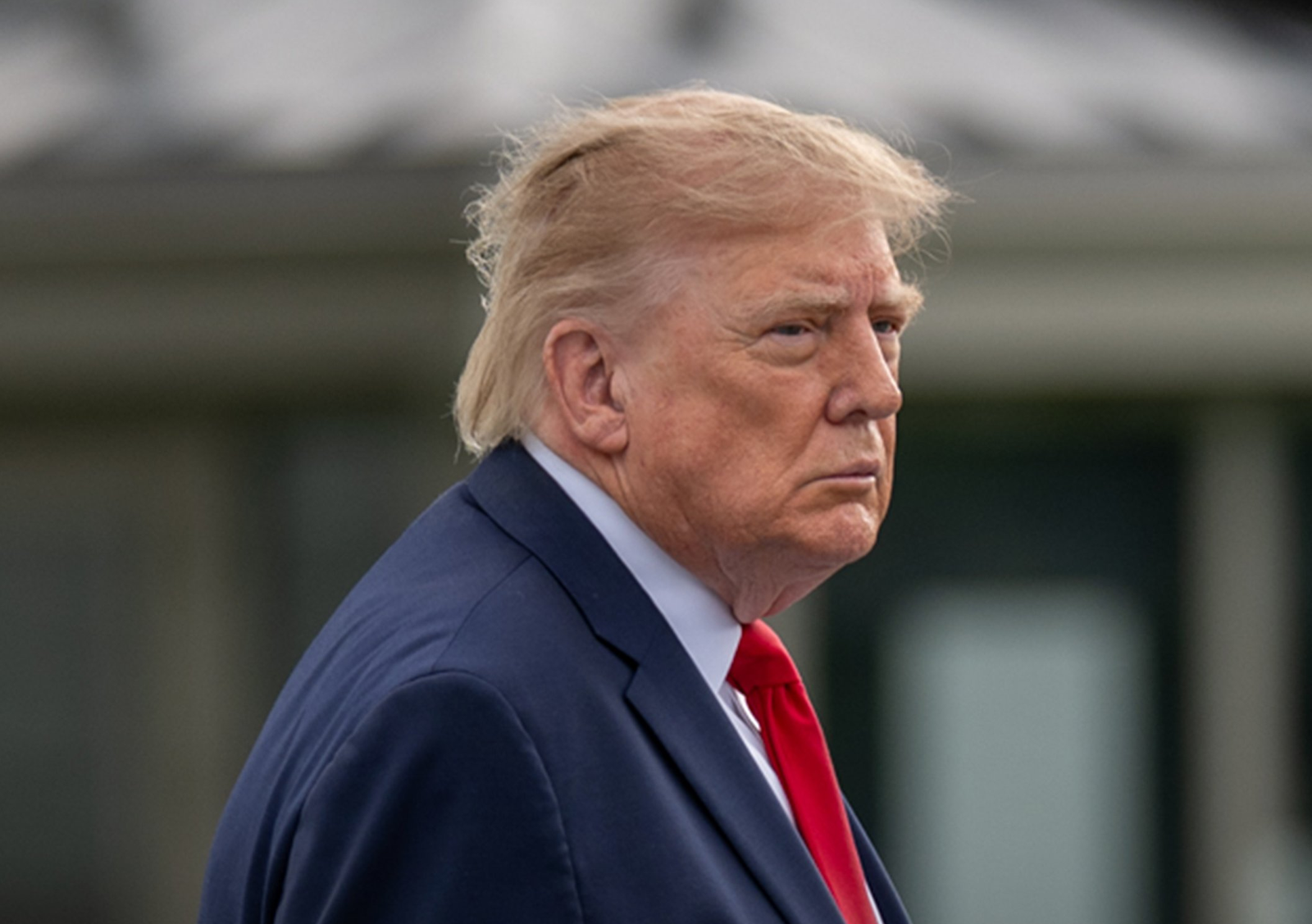
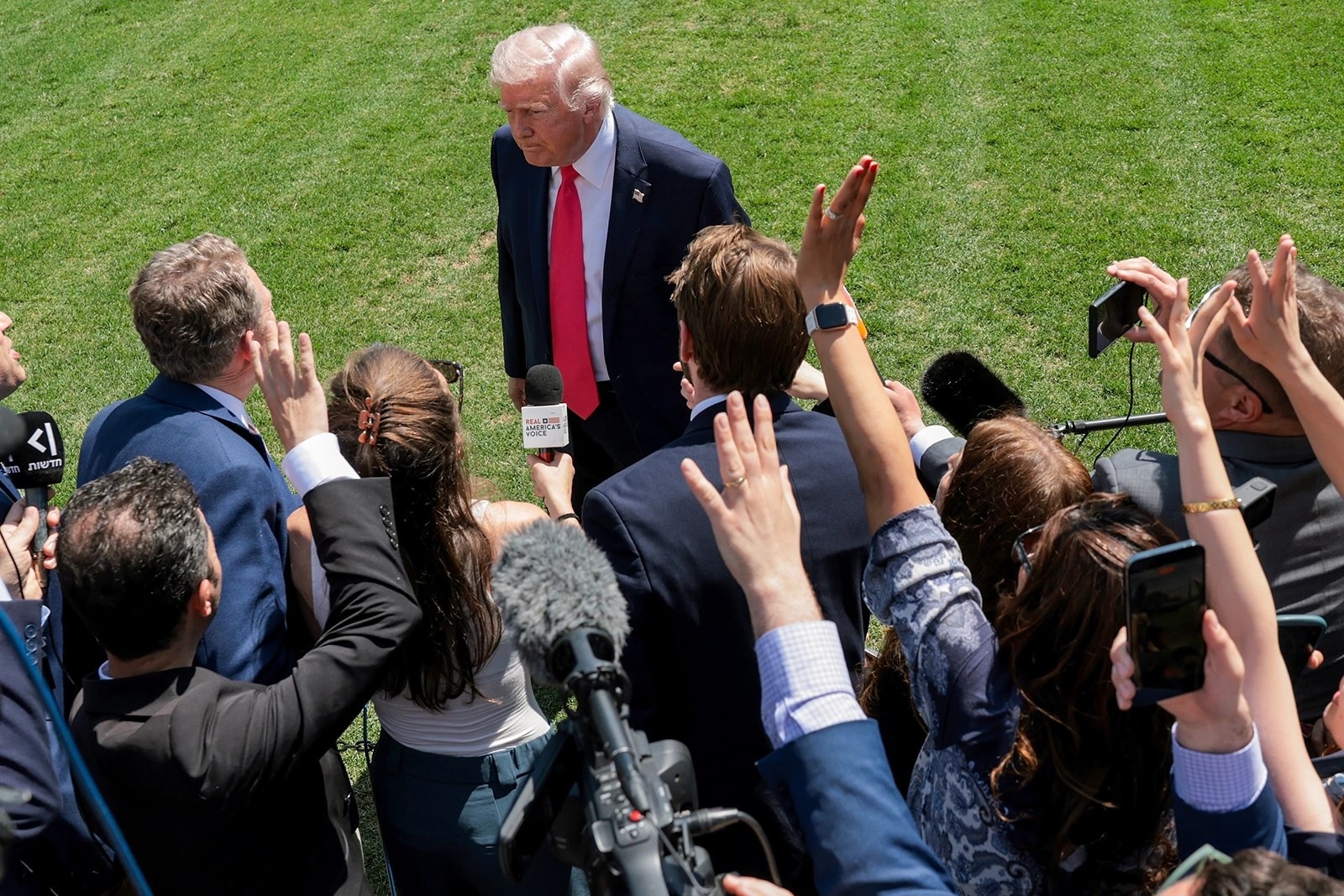
Speaking to reporters at the White House on Monday, Trump said Tehran was interested in reaching a deal but suggested that the gap between the two sides remained significant.
“They want to make a deal, but they're not going to make the kind of a deal that I feel is necessary,” Trump said, without providing details about the status or substance of the negotiations.
Trump reiterated that preventing Iran from acquiring a nuclear weapon remained the central objective of US policy. He said Washington would not accept a situation in which Tehran possessed a nuclear weapon and stressed that the issue was non-negotiable.
“You understand that Iran cannot have a nuclear weapon, and they won't have a nuclear weapon,” Trump said, adding that Iran “can't have a nuclear war.”
The US President also made fresh remarks about the strategically important Strait of Hormuz, claiming that the United States now had “total control” of the waterway through a naval blockade against Iranian ports. Trump again floated the idea of declaring the strait a US territory, although he offered no details about how such a move could be implemented.
“We control it with the blockade. And I like the idea of declaring it a territory,” Trump said, asserting that the United States had complete control over the strategic waterway.
The Strait of Hormuz is a crucial global energy corridor through which a significant portion of the world's oil and gas supplies passes. Any prolonged disruption in the waterway could have major implications for international energy markets and global trade.
Trump also criticised Oman, which has reportedly been involved in efforts with Iran to develop a plan to reopen the strait and maintain the waterway under the control of the two countries. Responding to questions about his earlier warning to Oman, Trump said he did not believe the country had “behaved very well” but suggested Washington could deal with the situation easily.
Trump's comments came as the 60-day ceasefire and negotiating period between Washington and Tehran expired on Monday, with neither side showing signs of abandoning its position on Iran's nuclear programme or the Strait of Hormuz.
Meanwhile, Iran's Islamic Revolutionary Guard Corps (IRGC) rejected Trump's assertion that a backchannel for negotiations existed between Washington and the IRGC.
IRGC spokesperson Hossein Mohebbi, speaking to the semi-official Tasnim news agency, described Trump's claim as a “delusion” and said no dialogue was taking place between IRGC officials and US representatives.
Mohebbi further said Iran's diplomatic apparatus was not currently engaged in negotiations with Washington, citing what he described as a US “breach of promises.”
The contrasting statements underline the deep mistrust between Washington and Tehran, with the two sides continuing to differ sharply over Iran's nuclear ambitions, diplomatic engagement and control of the strategically vital Strait of Hormuz.
(The content of this article is sourced from a news agency and has not been edited by the Mavericknews30 team.)