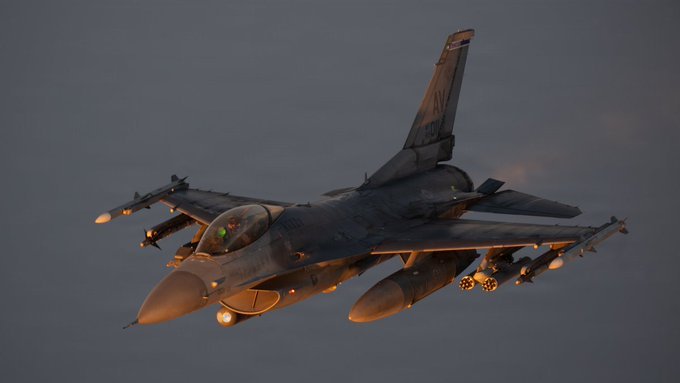
Washington, August 2026 : The White House has claimed that the United States Navy now has full control over the strategically vital Strait of Hormuz, saying American forces have cleared Iranian mines, escorted nearly 1,500 commercial vessels and restricted Iran’s ability to export oil through the key maritime route.
In a statement citing the US Central Command (CENTCOM), the White House said American military operations were helping maintain the flow of global energy supplies while simultaneously limiting revenues that Washington alleges could be used by Tehran to threaten international shipping and commerce. The administration presented the claims as evidence backing President Donald Trump’s repeated assertions that the US military has established control over the waterway.
The White House statement did not include a response from the Iranian government to the allegations.
According to the administration, US forces have cleared Iranian mines from international shipping lanes in the Strait of Hormuz, allowing commercial vessels to resume transit under American protection. The White House said approximately 1,500 commercial ships have passed through the strategic waterway while being protected by US forces.
Those vessels, according to the statement, transported around 750 million barrels of crude oil to international markets. The administration also claimed that Gulf oil exports have recovered to approximately two-thirds of the levels recorded before the beginning of the US operation and are continuing to increase.
Washington further claimed that Iran has not exported any oil from its shores since an American blockade was reinstated in July. The White House said US forces had intercepted or turned back 75 vessels that attempted to circumvent the blockade.
Trump has repeatedly described the US position in the Strait of Hormuz in uncompromising terms. On August 10, he said the United States Navy was the only power currently controlling the waterway and described the blockade as an effective barrier.
“The only one that has control of the Strait of Hormuz right now is the United States Navy,” Trump said, according to the White House.
He reiterated the claim on Thursday, saying the strait remained open but was under American control and that Iran was unable to use the waterway to move goods or generate revenue. Trump said the blockade remained in place and that “nothing is going through” for Iran.
The administration has argued that US military action has significantly reduced Tehran’s ability to use the Strait of Hormuz as a strategic tool. The waterway has historically been regarded as one of Iran’s most important sources of geopolitical leverage because of its location at the entrance to the Persian Gulf and its importance to global energy markets.
Former US deputy national security adviser KT McFarland said Iran had effectively lost an important source of influence by attempting to use the strait as leverage. In remarks cited by the White House, McFarland said Iran had used the issue to pressure the international community for decades but that the situation had now changed.
John Spencer, chair of urban warfare studies at the US Military Academy at West Point, also backed the administration’s assessment. He rejected claims that Iran had successfully closed the waterway, saying Tehran had neither shut the strait nor effectively prevented maritime traffic from passing through it.
The White House said the blockade is part of a larger campaign of economic pressure aimed at reducing Iran’s ability to generate revenue. The administration said economic pressure on the Iranian government was continuing to intensify under what it described as Operation Economic Outcast, a US campaign intended to isolate Tehran financially and disrupt what Washington considers its remaining economic lifelines.
The Trump administration has indicated that it intends to maintain pressure on Iran until it believes Tehran no longer poses a threat to international security. However, the White House did not specify the military, economic or diplomatic conditions that would ultimately lead Washington to lift the blockade.
The claims come against the backdrop of the Strait of Hormuz’s enormous importance to the global energy market. The narrow maritime passage connects the Persian Gulf with the Gulf of Oman and the Arabian Sea and serves as a major transit route for crude oil and liquefied natural gas exports from several Gulf states.
Any prolonged disruption in the waterway could have significant consequences for international energy prices, shipping costs and global supply chains. Major energy-importing economies, including India, closely monitor developments around the strait because of their dependence on supplies transported through the region.
While Washington has portrayed its military presence and blockade as successful in maintaining maritime traffic and restricting Iranian oil exports, the competing claims surrounding control of the waterway underline the continuing strategic and geopolitical tensions between the United States and Iran. The Strait of Hormuz therefore remains a critical flashpoint for global energy security, with developments there capable of affecting markets far beyond the Middle East.
(Disclaimer :The content of this article is sourced from a news agency and has not been edited by the Mavericknews30 team.)