Arrangements made for affected families to stay in 12 temporary night shelters, 35 families shifted to safe locations
Rescue and relief material distribution continues with 90 boats, assistance being provided to those in need
Anti-Larva and MLO spraying conducted through drones across 150 acres, 250 sanitation workers managing cleanliness arrangements
Special cleaning drive to begin as soon as water recedes, focus on preventing mosquito-borne diseases along with removal of mud and waste
Lucknow Municipal Commissioner remained in affected areas throughout the day to inspect relief and rescue operations
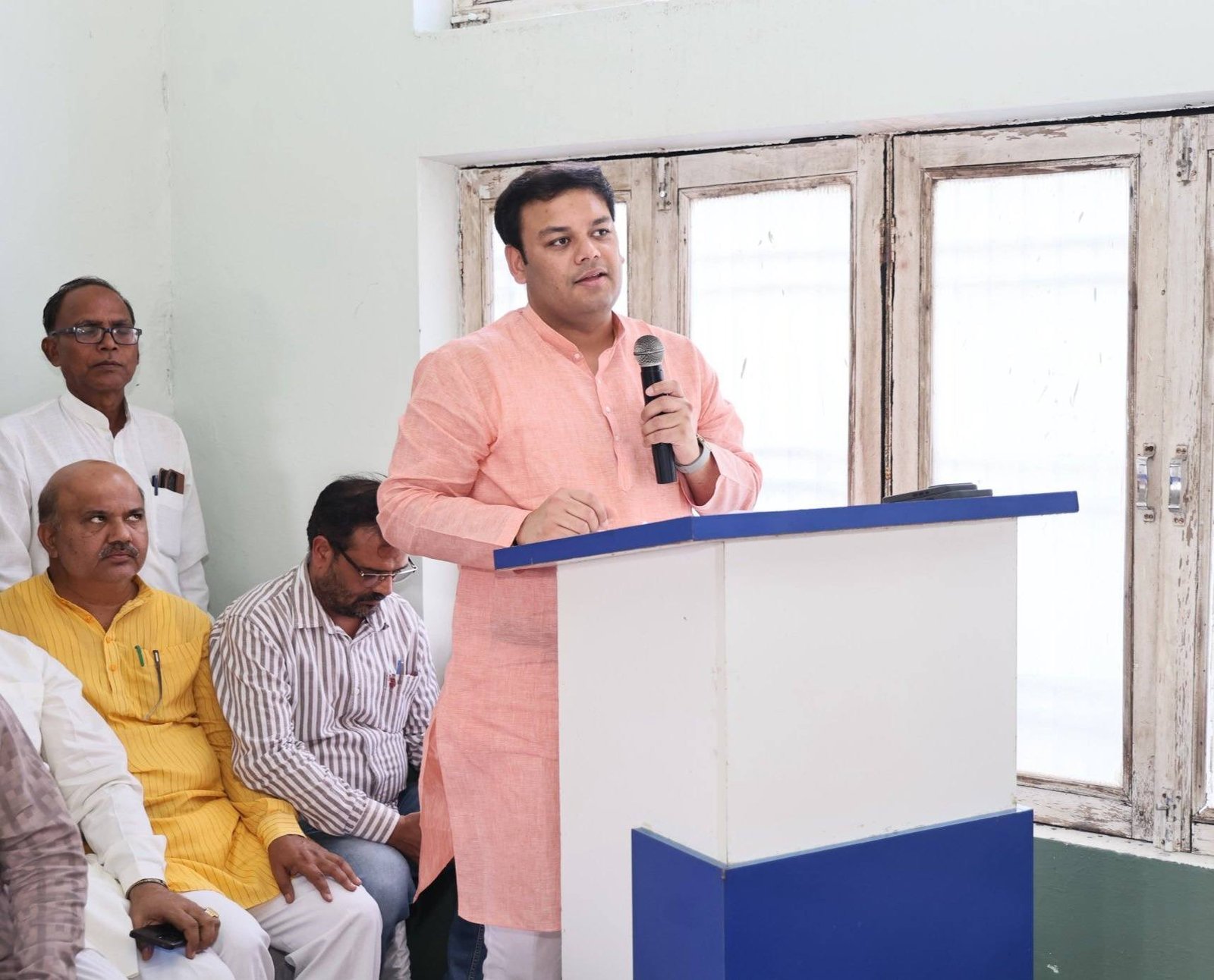
Lucknow, October 2026 : Relief and rescue operations are being intensified in areas affected by the rising water level of the Gomti River, as per the directions of the Yogi government. On Wednesday, Municipal Commissioner Gaurav Kumar remained in waterlogging-affected areas throughout the day and inspected relief arrangements. He inspected various areas, including Saitha in Zone-6 and Loharamau, Faizullaganj, Daud Nagar, and Millat Nagar in Zone-3, and instructed officials to accord highest priority to the safety of affected citizens.
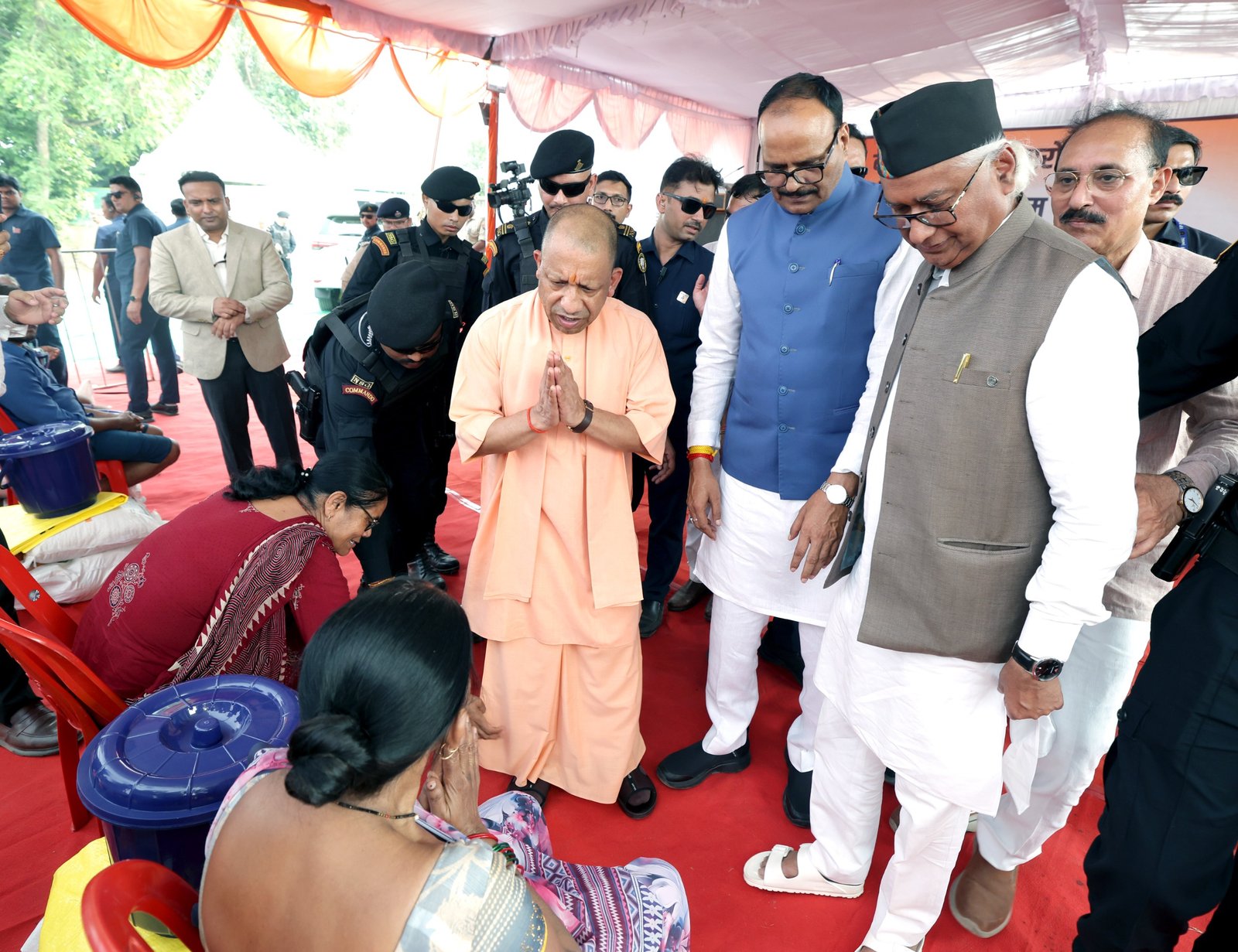
Municipal Commissioner reviewed the waterlogging situation, including boat operations, drinking water, sanitation, fogging, anti-larva spraying, and relief facilities. Around 20 water tankers have been sent to the affected areas. In addition, 10,000 liters of packaged drinking water have also been made available. Twelve temporary night shelters have been prepared for waterlogging-affected families, including 10 in Daud Nagar and one each in Loharamau and Millat Nagar. Meanwhile, authorities have shifted around 35 families in Zone-6 to safe locations. Twenty-six people are staying in the night shelters.
In addition, permanent night shelters with a capacity of 100 beds each are available at Paltan Chhawani, Umrao Hata and behind Engineering College. The night shelters have been equipped with beds, folding cots, fans, coolers, lighting arrangements and 12 charging points for mobile phones.
As part of the relief operations, 90 boats of district administration are operating in the affected areas. Municipal Corporation teams are assisting the administration with loading, unloading, and distributing relief material. Twenty-five employees have been deployed in two shifts in Daud Nagar, while 25 employees have been deployed in each of Loharamau and Millat Nagar. Movement of people and delivery of relief material by boat and steamer are continuing in various areas, including Saitha, Daulat Kheda, Munnu Kheda, Tand Kheda, Sukhlal Kheda, Gulmi Kheda, and Hayatganj in Zone-6. One boat has been specially deployed behind Laxmi Hospital for the distribution of relief material.
Around 250 sanitation workers are continuously working from Yadav Chauraha to Mama Colony for cleanliness and disease prevention. Bleaching powder is being sprayed in the affected areas. MLO and anti-larval spraying have been carried out through drones across approximately 150 acres. This includes areas in Zone-3 and Zone-6. In waterlogged locations where conventional machines cannot reach, medicines are being sprayed through drones. In addition to six manual and six large fogging machines, spraying is also being carried out using two large LSA machines.
During the inspection, Municipal Commissioner also inspected the temporary storage center set up at Khwaja Moinuddin Chishti University. He reviewed the arrangements for relief material and other essential resources available there. He sought information from officials on the systematic storage of materials and their timely delivery to affected areas as required.
Municipal Commissioner instructed officials to complete preparations to deal with the situation after the water level recedes, alongside ongoing relief operations. He stated that separate teams are being designated for each affected area. As soon as the water recedes, these teams will clean the mud, waste, and dirt accumulated on roads and in settlements, spray bleaching powder and anti-larva, distribute necessary medicines, and carry out fogging. The objective is to control the possible spread of infectious and mosquito-borne diseases following waterlogging.