Washington, DC, August 12, 2026: US Federal Judge Indira Talwani has issued a second injunction blocking the US Postal Service from implementing key provisions of President Donald Trump’s executive order aimed at changing the administration of mail-in voting, citing constitutional concerns and the approaching 2026 midterm elections.
The latest ruling comes less than 90 days before the November elections and follows Talwani’s earlier decision on June 25, when she ruled that the Trump administration’s effort to give the federal government a greater role in determining which voters could receive mail-in ballots was unconstitutional.
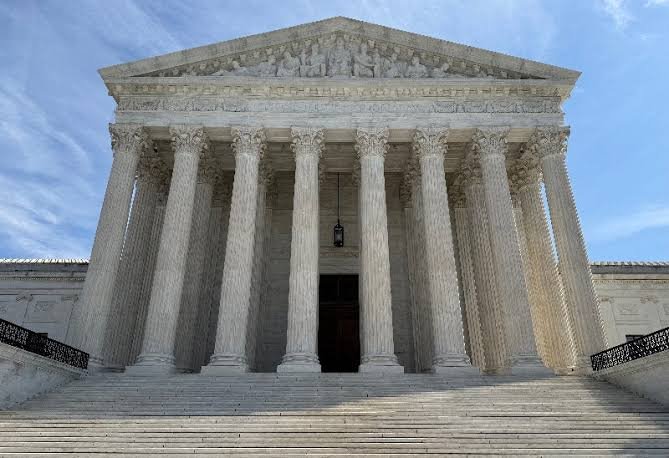
The case involves the federal government and 23 states that have challenged the legality of the executive order. The Trump administration has asked the US Supreme Court to intervene and overturn the lower-court ruling.
In her latest order, Talwani said the court considered it necessary to review the executive order ahead of the midterm elections because millions of Americans rely on mail voting and need clarity about how they will cast their ballots. For elections taking place on or before November 3, she ordered the preservation of the existing electoral arrangements and barred the Postal Service from implementing Section 3 of the executive order.
Talwani concluded that the states were likely to succeed in their constitutional challenge, particularly their argument that Section 3 violates the separation of powers. She maintained that the President does not possess authority to regulate state-administered elections through executive action.
The judge had made a similar finding in June, observing that while the Constitution assigns responsibilities relating to elections to Congress and the states, it does not provide the President with independent authority over election administration.
The White House had cited the Help America Vote Act of 2002 and other federal voting laws to justify the directive. However, Talwani found that those laws do not authorise the federal government to create its own nationwide voter database or determine who should be included on state voter rolls.
The executive order, issued in March, directed federal agencies including the Department of Homeland Security, US Citizenship and Immigration Services and the Social Security Administration to compile voter information, including citizenship data, for individual states. The administration planned to use databases such as the Systematic Alien Verification for Entitlements (SAVE) system, along with Social Security and citizenship records.
The directive also sought changes to mail-in ballot procedures, including the use of specially barcoded envelopes. It required states to provide information on voters eligible for mail voting and threatened possible restrictions on federal funding for states that failed to comply.
Talwani said states already maintain voter-registration and verification systems designed to prevent ineligible individuals from voting. She also noted that some states had been required to divert personnel from other election-related responsibilities to prepare for potential compliance with the federal directive.
The administration has argued that the executive order merely instructs federal agencies to study possible changes and does not directly interfere with state election administration. Solicitor General D. John Sauer made a similar argument in a July 27 filing before the Supreme Court, urging the justices to suspend the injunction while the legal challenge proceeds.
The administration has also pointed to a 2020 Supreme Court decision involving a separate Trump administration policy, arguing that courts should not intervene before agencies complete their work. The plaintiffs, however, maintain that the executive order itself exceeds presidential authority.
The dispute is part of a broader battle between the Trump administration and states over federal involvement in election administration ahead of the 2026 midterms. The Justice Department has pursued litigation seeking access to state voter information, while states have challenged the federal government's authority to demand such data.
The latest Massachusetts ruling adds another significant legal setback for the administration's election-related initiatives. With the Supreme Court expected to consider the broader dispute, the legal battle over federal authority, mail-in voting and state control of elections is likely to remain a major issue ahead of November's midterm elections.
Team Maverick.