Indigenous twin-engine platform designed for shipborne operations as HAL also targets December certification for Light Utility Helicopter
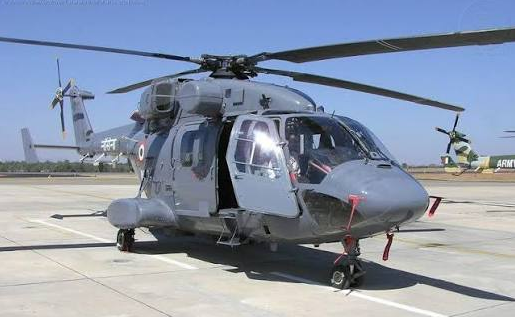
Bengaluru, September 2026 : Hindustan Aeronautics Limited (HAL) is preparing for a major milestone in India’s indigenous rotary-wing aviation programme, with the maiden flight of its Utility Helicopter-Marine (UH-M) expected around November. The twin-engine helicopter has been developed specifically for shipborne operations and is intended to meet the Indian Navy’s requirement for a modern utility helicopter capable of operating from frontline warships.
HAL Chairman and Managing Director Ravi K said in an interview with Deccan Herald that the first UH-M prototype has already been built and is being prepared for its initial flight-testing phase. The expected maiden sortie will mark the beginning of a wider development, testing and certification programme before the helicopter can be considered for operational induction.
The UH-M programme is significant because naval aviation imposes requirements that differ considerably from those faced by land-based helicopters. Aircraft operating from warships must contend with restricted deck and hangar space, strong winds, rough sea conditions, salt-laden air and the continuous movement of the ship. They must also be capable of rapid deployment and recovery while maintaining sufficient performance margins during take-off and landing.
Designed Specifically for Naval Operations
The UH-M has been conceived from the outset as a maritime platform rather than as a conventional land helicopter adapted for naval use. One of its key features is a blade-folding mechanism, which will allow the aircraft to occupy less space when stored inside a warship’s hangar.
This capability is particularly important for modern naval vessels, where aviation facilities have to accommodate helicopters alongside other equipment and aircraft-support infrastructure. Foldable rotor blades allow greater flexibility in aircraft handling and storage and are therefore an important feature of shipborne helicopter designs.
HAL has also incorporated enhanced engine performance and flight-control features intended to provide greater power margins during operations at sea. Such margins become particularly important during take-off and landing from moving decks, especially in adverse weather and high-wind conditions.
The helicopter is also being designed with a flexible cabin arrangement. Depending on the mission, the interior can be configured to transport personnel, carry equipment or support medical evacuation. This adaptability could allow the UH-M to perform a wide range of missions, including casualty evacuation, search and rescue, logistics support, humanitarian assistance and personnel transfer.
The Ministry of Defence’s requirement for naval utility helicopters includes 76 aircraft — 51 for the Indian Navy and 25 for the Indian Coast Guard. HAL has developed the UH-M in response to this requirement and is seeking to establish an indigenous solution for a capability traditionally dependent on imported platforms.
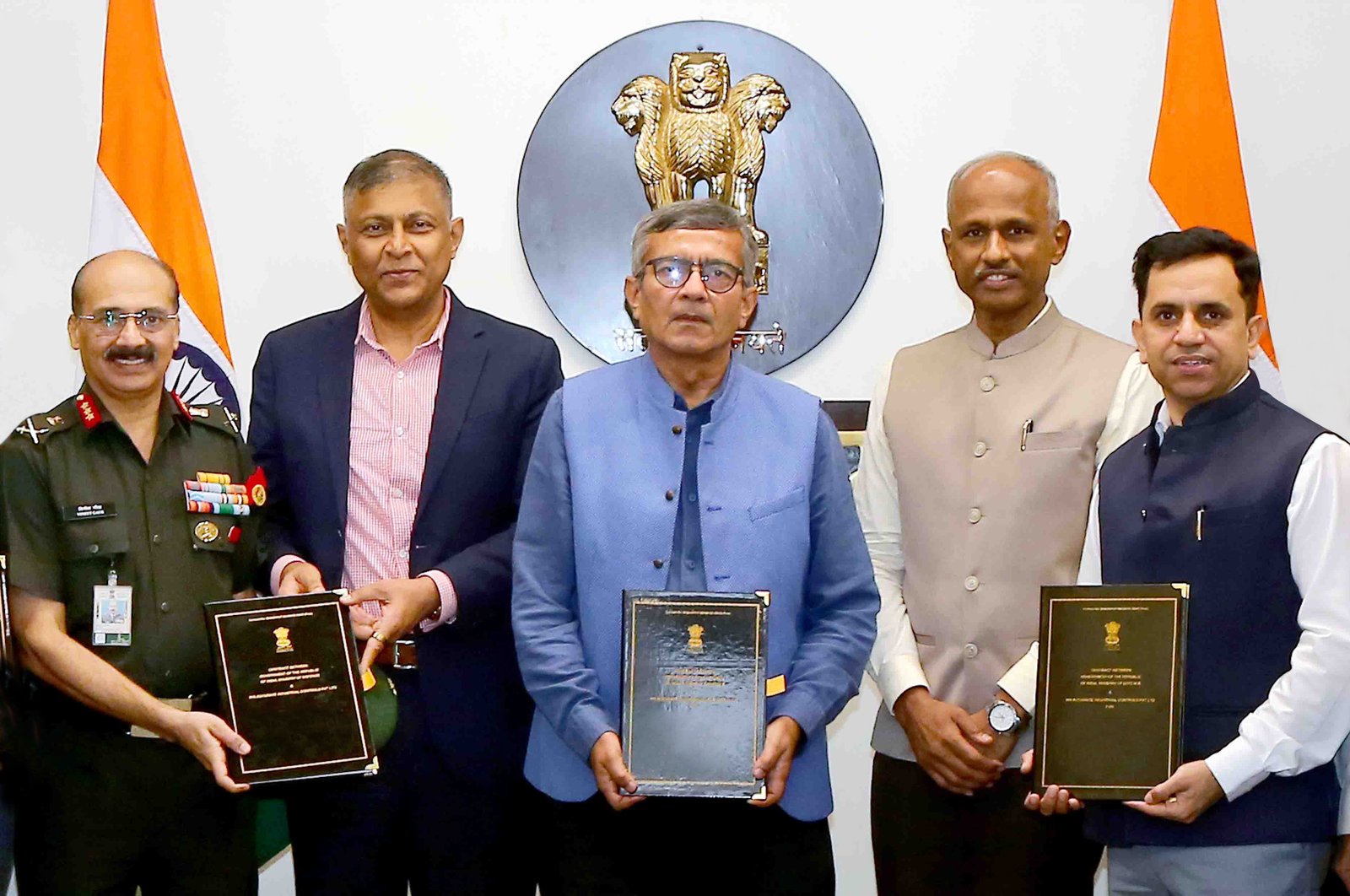
India has already expanded the use of indigenously manufactured helicopters in maritime operations. In March 2026, the Ministry of Defence signed a Rs 2,901-crore contract with HAL for six ALH Mk-III Maritime Role helicopters for the Indian Coast Guard. The twin-engine ALH Mk-III MR is capable of conducting maritime security missions from shore facilities and ships at sea.
Addressing the Chetak Replacement Requirement
The UH-M is expected to eventually replace ageing Chetak helicopters that have served the Indian Navy for decades. These helicopters have performed a variety of utility and support missions, but their advancing age has created the requirement for a modern successor capable of meeting contemporary naval operational demands.
The Navy’s requirement for a dedicated utility helicopter also reflects the expanding role of shipborne aviation. Naval helicopters provide an important link between warships and shore establishments and can support surveillance, logistics, search and rescue, casualty evacuation and disaster-relief operations.
The Indian Navy’s operational footprint across the Indian Ocean Region further increases the importance of reliable shipborne rotary-wing platforms. A domestically developed helicopter could also offer advantages in terms of long-term support, maintenance and adaptation to Indian operational requirements.
HAL’s earlier experience with maritime versions of the Advanced Light Helicopter provides an industrial and technological base for the UH-M. The ALH Mk-III Maritime Role has already been used for surveillance, search and rescue, medical evacuation and other maritime missions. The Coast Guard’s ALH Mk-III fleet is also equipped for shipborne operations.
Moving Beyond Earlier Naval Helicopter Challenges
The UH-M programme also represents an effort by HAL to address some of the challenges associated with adapting existing helicopter designs for widespread shipborne operations.
While the Indian armed forces operate variants of the Advanced Light Helicopter, dedicated naval requirements often demand additional design changes and equipment. The UH-M is being developed around those maritime requirements, with its architecture incorporating features needed for storage, deck operations and maritime environments.
The development therefore has significance beyond the replacement of an ageing fleet. If successful, the programme could strengthen HAL’s ability to design and manufacture helicopters specifically tailored for naval aviation.
The helicopter is also expected to contribute to India’s broader objective of increasing domestic defence manufacturing and reducing dependence on foreign platforms. The Ministry of Defence has continued to prioritise indigenous design and development in helicopter procurement. The 2024 contract for 34 ALH Mk-III helicopters for the Army and Coast Guard, for example, was placed under the Buy (Indian-IDDM) category.
LUH Programme Nears Another Milestone
Alongside the UH-M, HAL is also working towards completing the Light Utility Helicopter (LUH), a single-engine platform intended to replace ageing Cheetah and Chetak fleets operated by the Indian Army and Indian Air Force.
According to Ravi K, certification activities for the LUH are expected to be completed by December. Following certification, HAL plans to begin deliveries of an initial batch of 12 helicopters, with six each expected to go to the Army and Air Force.
The LUH has been developed as a three-tonne-class helicopter for operations across India’s diverse terrain, including high-altitude areas. HAL has previously stated that the aircraft is designed for utility and armed roles and incorporates a glass cockpit and Health and Usage Monitoring System.
The programme is particularly important because Cheetah and Chetak helicopters continue to support operations in difficult terrain, including the Himalayan region. The LUH is intended to provide a modern replacement for these ageing platforms.
However, HAL still has technical work to complete before the LUH can meet all user requirements. According to the company’s management, the flight-control system requires further refinement and additional flying hours are needed to optimise the associated software.
Auto-Rotation Testing Remains Important
One of the areas receiving particular attention is the helicopter’s auto-rotation capability. Auto-rotation is an important emergency procedure that enables a helicopter to make a controlled descent and landing following an engine failure.
HAL has conducted trials of the system, but additional testing is required to achieve the performance levels expected by the armed forces. The company expects to address the remaining issues before the targeted December certification timeline.
Earlier government information on the LUH had highlighted its development for diverse operating conditions, including high-altitude missions. The platform is powered by a Safran Ardiden 1U turboshaft engine and incorporates systems such as a glass cockpit and health-monitoring equipment.
The Army and Air Force are expected to have a requirement for around 200 LUHs, although a large-scale procurement contract has not yet been finalised. The performance of the initial batch is therefore likely to be important in determining subsequent acquisition decisions.
Civil Market Could Offer Additional Opportunity
HAL is also examining opportunities beyond military procurement for the LUH. The company intends to pursue civil certification, potentially allowing the helicopter to enter a wider commercial market.
A civil-certified LUH could have applications in emergency medical services, disaster response, utility transport, tourism, regional connectivity and other specialised operations. Such diversification could provide HAL with an opportunity to expand the helicopter’s production base beyond defence requirements.
The potential civil role also fits into HAL’s broader effort to develop an indigenous helicopter ecosystem capable of serving multiple segments. Building a larger production and support network could help improve economies of scale and strengthen domestic expertise in rotary-wing aviation.
Two Programmes, One Indigenous Aviation Push
The UH-M and LUH represent two different but complementary elements of India’s helicopter modernisation effort. The UH-M is focused on the specialised requirements of naval aviation, while the LUH is aimed primarily at replacing ageing light utility helicopters operated by the Army and Air Force.
Both programmes face the challenges normally associated with complex aerospace development, including flight testing, certification, system integration and meeting demanding user requirements. Their progress will therefore be closely watched by the armed forces and the domestic aerospace industry.
For the UH-M, the expected maiden flight around November would be the first major test of the prototype in the flight environment. The subsequent development and certification campaign will determine how quickly the platform can progress towards user trials and eventual production.
For the LUH, the targeted December certification would mark another important step towards replacing some of India’s oldest military helicopters.
If HAL succeeds in meeting these milestones, the two programmes could expand the country’s indigenous helicopter portfolio while providing modern platforms for land and maritime operations. The UH-M’s maiden flight, in particular, would mark an important step towards developing a helicopter designed specifically for India’s naval aviation requirements and could strengthen the country’s long-term capability to design, manufacture and support shipborne rotary-wing platforms domestically.
(Disclaimer :The content of this article is sourced from a news agency and has not been edited by the Mavericknews30 team.)