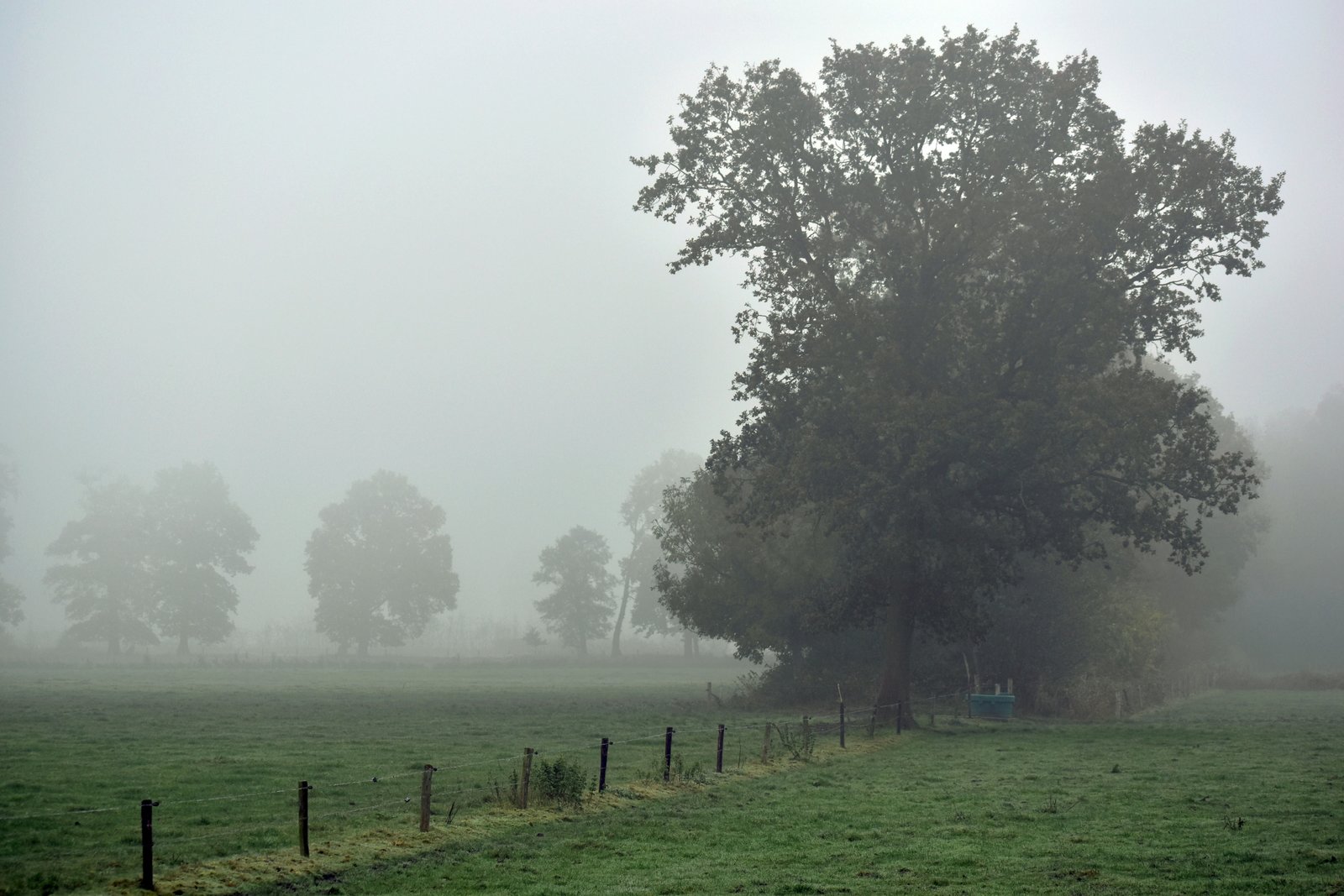
In view of the possibility of cold wave conditions in the coming days, the Public Health and Medical Education Department has issued an advisory to safeguard public health. The department has urged citizens to take necessary precautions during cold waves, pay attention to weather warnings and seek immediate medical advice in case of any health-related problems.
Cold wave conditions are generally more pronounced in the state during December and January. Prolonged exposure to extreme cold can cause the body's temperature to fall below normal, a condition known as hypothermia. Other cold-related health problems, including frostbite, may also occur. In severe cases, these conditions can be life-threatening. Young children, elderly persons, pregnant women and individuals suffering from serious illnesses need to take special precautions.
Precautions to Prevent Cold Wave-Related Illnesses
Wear adequate warm clothing. Dressing in several layers of warm clothes is more effective than wearing a single thick garment.
Keep the head, neck, ears, hands and feet properly covered. Use caps, mufflers, gloves and warm footwear.
Avoid exposure to extreme cold and chilly winds. Refrain from unnecessary travel and going outdoors.
Consume a balanced and nutritious diet, including fruits and vegetables rich in Vitamin C.
Drink warm beverages regularly and maintain adequate water intake.
Change wet clothes immediately and keep the body dry.
Take special care of elderly persons, children and people living alone.
Avoid alcohol consumption. Do not sleep in closed rooms with burning coal or traditional fire pots (angithis).
Stay updated with weather forecasts and warnings issued by the Meteorological Department.
Recognise Hypothermia Symptoms and Seek Immediate Medical Attention
Excessive shivering, fatigue, difficulty in speaking, confusion, extreme drowsiness, muscle stiffness, slow breathing and unconsciousness are major symptoms of hypothermia. In infants, unusually cold and red skin, along with abnormal lethargy, may indicate the condition.
If such symptoms are observed, immediately move the affected person to a warm and safe place. Remove wet clothing and cover the person with dry, warm clothes and blankets. Warm beverages should be given only if the person is fully conscious and able to swallow. Never give anything to eat or drink to an unconscious person. Hypothermia is a medical emergency; therefore, the affected person must be taken to the nearest healthcare facility immediately.
Do Not Ignore Symptoms of Frostbite
Prolonged exposure to extreme cold may cause numbness in the fingers and toes, nose and ears. Other symptoms of frostbite include pale or yellowish skin, hardening of the skin and blister formation. In such cases, avoid rubbing the affected area or warming it directly with fire or a heater. Seek immediate medical assistance.
Healthcare Institutions Directed to Ensure Necessary Arrangements
The Health Department has directed the Deans of all medical colleges, Chief Medical and Health Officers, and Civil Surgeons to ensure the availability of essential medicines and medical resources for treating people affected by cold wave conditions.
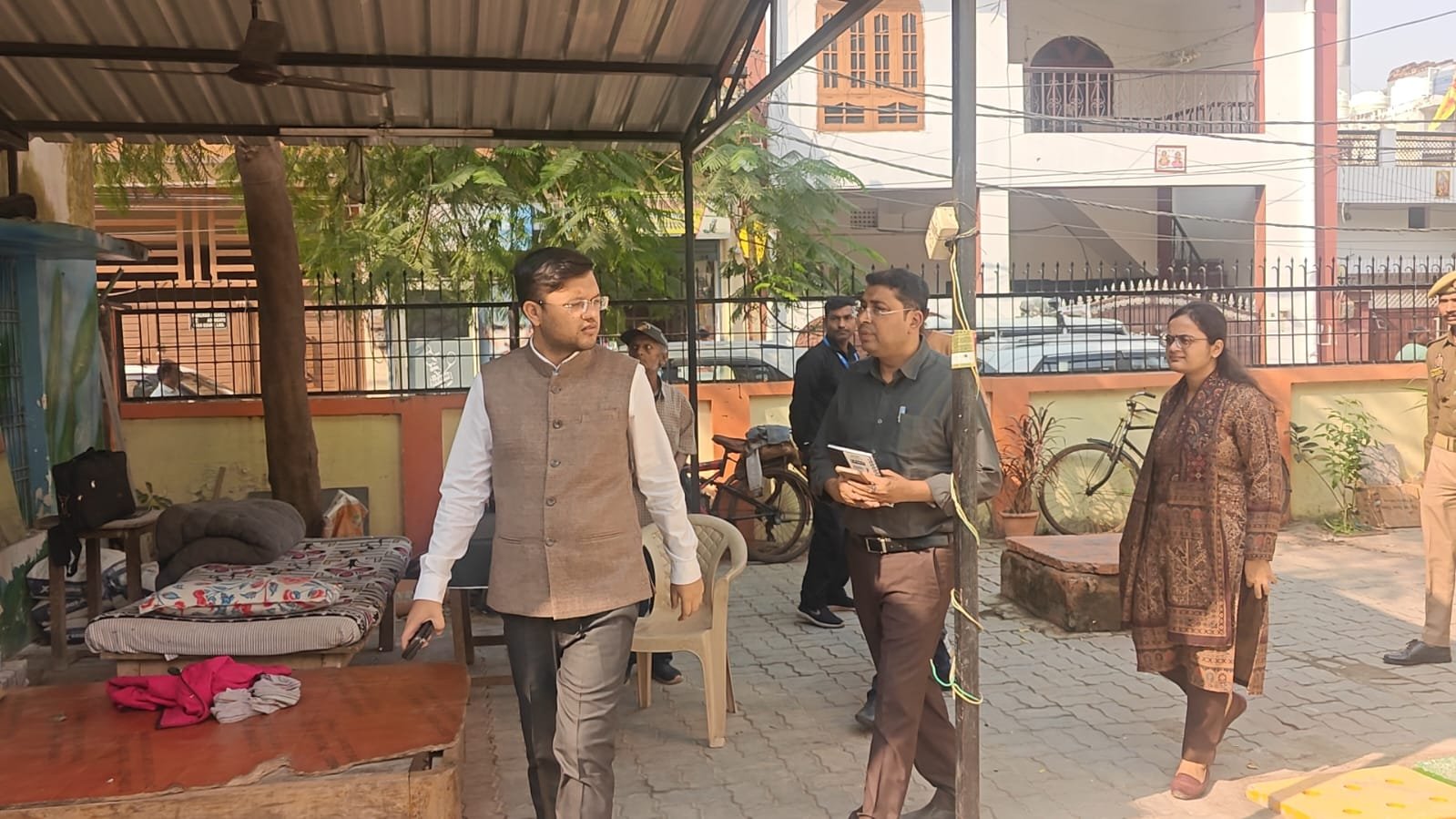
In coordination with district administrations, arrangements have also been directed to be made at night shelters for vulnerable and destitute persons, including warm clothing, blankets, heating facilities and necessary medical services.
Field health workers have been instructed to undergo training on the symptoms, preventive measures and first aid for cold wave-related illnesses. They have also been asked to ensure extensive public awareness in their respective areas.
The Health Department has appealed to citizens to remain alert during cold wave conditions, follow the necessary precautions and take care of their own health, as well as that of their families and vulnerable people in their neighbourhoods.
The latest weather updates can also be accessed through the India Meteorological Department's website: mausam.imd.gov.in.