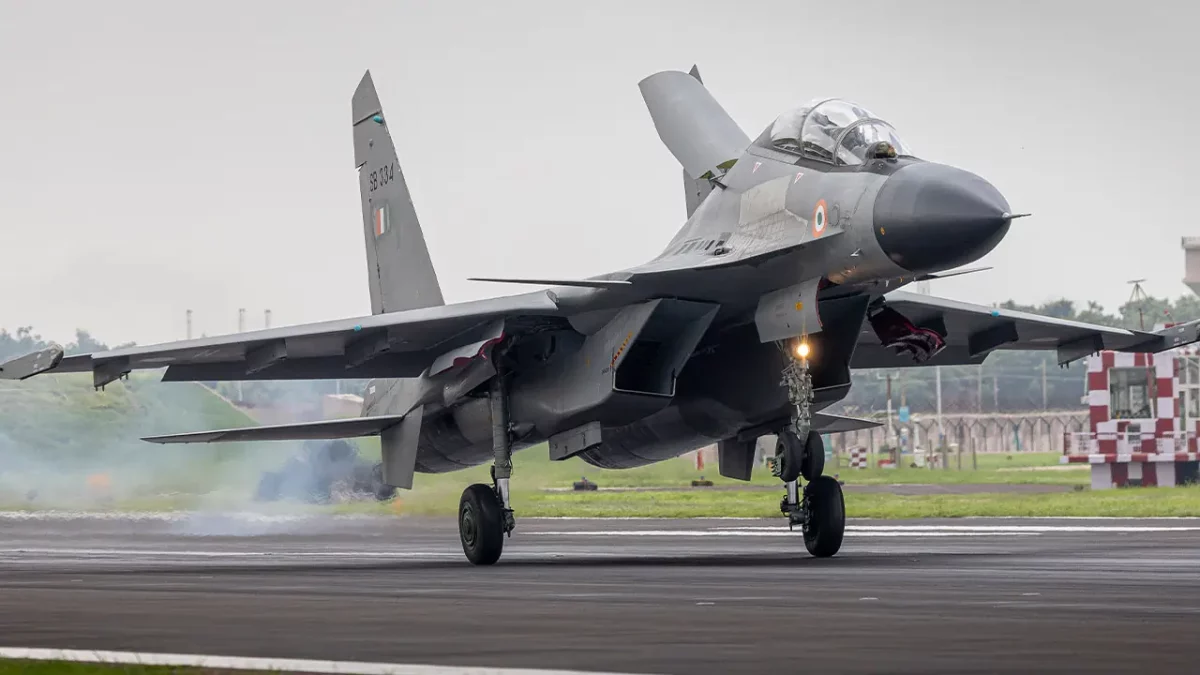
New Delhi, Sept 2026 : The Indian Air Force (IAF) is pursuing a range of measures to improve the survivability of its Su-30MKI fleet as modern aerial warfare increasingly becomes dominated by advanced radar networks, long-range missiles, electronic warfare and stealth platforms.
With more than 260 Su-30MKI fighters in service and an expected operational life of another 15 to 20 years, the aircraft remains the backbone of India’s fighter fleet. Its long range, high payload capacity, manoeuvrability and overall performance make it a critical component of India’s air power. However, its large airframe and conventional design result in a relatively high radar and infrared signature compared with newer stealth-oriented fighters.
The Su-30MKI was designed primarily as a heavy, long-range fighter capable of carrying substantial weapons loads. Its large airframe, canards, air intakes, exposed compressor blades and multiple external hardpoints contribute to radar reflections. Weapons and fuel tanks carried externally can further increase its radar visibility. Unlike stealth aircraft, the fighter was not designed around low observability, making a complete reduction of its signature impractical without fundamentally redesigning the platform.
To address some of these vulnerabilities, Hindustan Aeronautics Limited (HAL), in collaboration with the Defence Research and Development Organisation (DRDO), has been working on the use of indigenous radar-absorbing materials and coatings.
The approach focuses on selectively treating areas that generate significant radar reflections rather than coating the entire aircraft. Radar-absorbing paints and materials, including those incorporating magnetic functional fillers, are being considered for locations such as the interiors of air-intake ducts and adjoining fuselage sections.
The targeted application is intended to reduce the aircraft's radar cross-section while avoiding unnecessary changes to its aerodynamic characteristics, weight and flight performance.
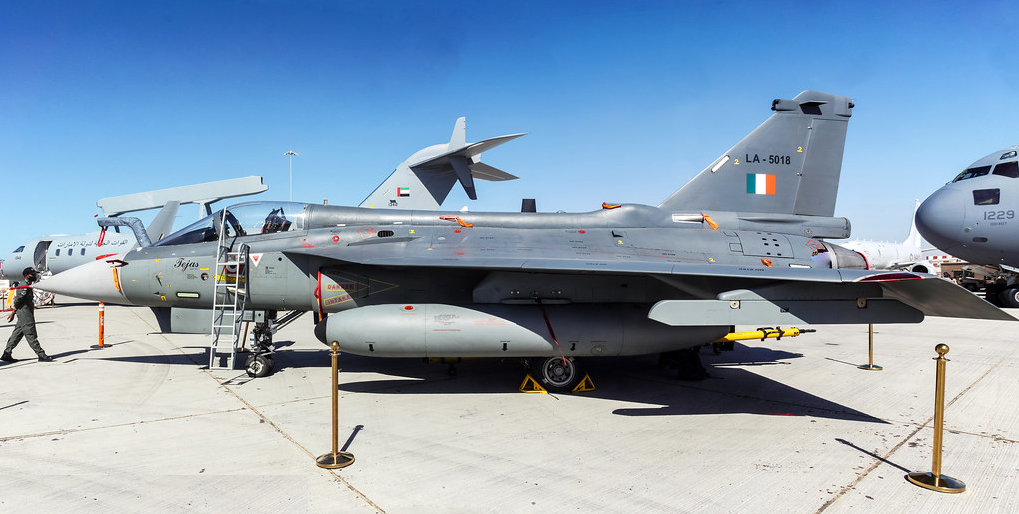
System-level demonstrations of indigenous radar-absorbing coatings have reportedly been carried out, following laboratory evaluations. Flight trials have also included a Tejas light combat aircraft carrying a payload treated with the locally developed coating. Such testing is aimed at assessing the performance of the materials under actual flight conditions.
Evaluations of the Su-30MKI's radar signature have also been reported. Technical assessments have indicated a significant reduction in radar signatures across a broad range of frequencies. However, experts maintain that further validation under operationally representative conditions will be important before the technology can be considered fully mature for large-scale deployment on the fleet.
Radar signature reduction is only one part of the effort to improve the Su-30MKI's survivability. The fighter also requires substantial advances in electronic warfare (EW) to operate effectively against sophisticated air-defence networks.
Under the broader ‘Super Sukhoi’ modernisation programme, the aircraft is being equipped with advanced indigenous EW capabilities, including Aircraft Self Protection Jammer (ASPJ) pods, Gallium Nitride-based transmitters and Digital Radio Frequency Memory (DRFM) technologies.
These systems are designed to detect, disrupt and deceive hostile radars and missile seekers. DRFM-based systems can manipulate incoming radar signals to create false targets or otherwise complicate an adversary's ability to track the aircraft.
DRDO's Yodha and Anidra electronic warfare suites are also being tailored for the Su-30MKI, with capabilities covering passive detection, offensive jamming and deception.
Navigation resilience is another priority. Anti-jamming GPS antennas compatible with India's NavIC satellite navigation system are being integrated to protect the fighter against navigation interference and spoofing in contested electromagnetic environments.
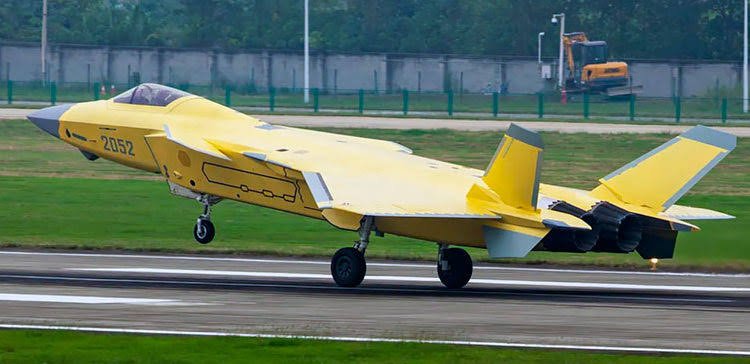
The combined approach is intended to help the Su-30MKI counter advanced threats, including stealth aircraft such as China's J-20, as well as increasingly sophisticated air-defence networks.
Rather than attempting to transform the Su-30MKI into a stealth fighter, India's strategy is focused on improving its survivability through selective radar-signature reduction, electronic warfare, navigation protection and other upgrades.
The effort could allow the aircraft to retain its advantages in range, weapons capacity and manoeuvrability while remaining operationally relevant through the 2030s and beyond. It also highlights India's growing focus on developing advanced defence materials, electronic warfare systems and other critical technologies domestically.
(Disclaimer :The content of this article is sourced from a news agency and has not been edited by the Mavericknews30 team.)