New Delhi, Sep 2026 : India’s defence engagement with Russia is gaining momentum, with discussions over the S-500 Prometheus missile defence system and the Su-57 fifth-generation stealth fighter emerging as two of the most significant proposals under consideration.
The potential deals could substantially strengthen India’s air-defence and combat aviation capabilities at a time when the country faces growing security challenges. At the same time, they are likely to involve complex negotiations over technology transfer, domestic production, financing and interoperability, while potentially attracting concern from the United States.
The proposals have gained prominence following Prime Minister Narendra Modi’s meeting with Russian President Vladimir Putin on the sidelines of the Shanghai Cooperation Organisation (SCO) Summit. The two systems are being discussed in the broader framework of the Special and Privileged Strategic Partnership between India and Russia.
The S-500 proposal comes against the backdrop of India’s experience with the Russian-built S-400 air-defence system. The S-400 has reportedly demonstrated strong capabilities in detecting and engaging aerial threats and has been integrated into India’s wider air-defence architecture.
The S-500 would provide a different layer of protection rather than simply replacing the S-400. While the S-400 is designed to engage aircraft, drones and cruise missiles at ranges of up to around 400 kilometres, the S-500 is primarily intended to counter ballistic missiles and potentially hypersonic threats.
The Prometheus system is designed to intercept targets at altitudes estimated at between 180 and 200 kilometres, extending its defensive reach into near-space. It uses the 77N6-N and 77N6-N1 interceptor missiles and is intended to provide protection against some of the most advanced aerial and missile threats.
For India, however, the proposed arrangement could be more significant because discussions reportedly centre on co-production rather than a conventional off-the-shelf acquisition. Greater involvement by Indian defence companies could support New Delhi’s long-term objective of increasing domestic manufacturing and reducing dependence on imported military equipment.
Russia has been promoting the S-500 to India for several years. In 2021, former Russian Deputy Prime Minister Yury Borisov had indicated that India could potentially become the first foreign customer for the advanced system.
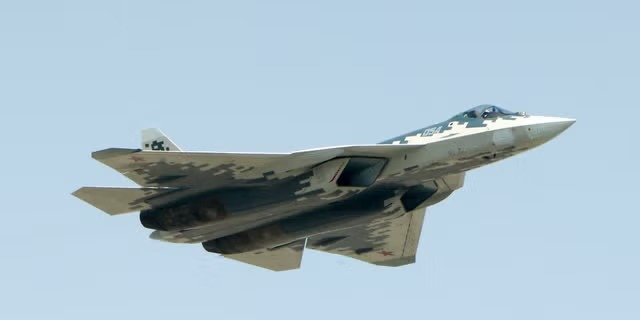
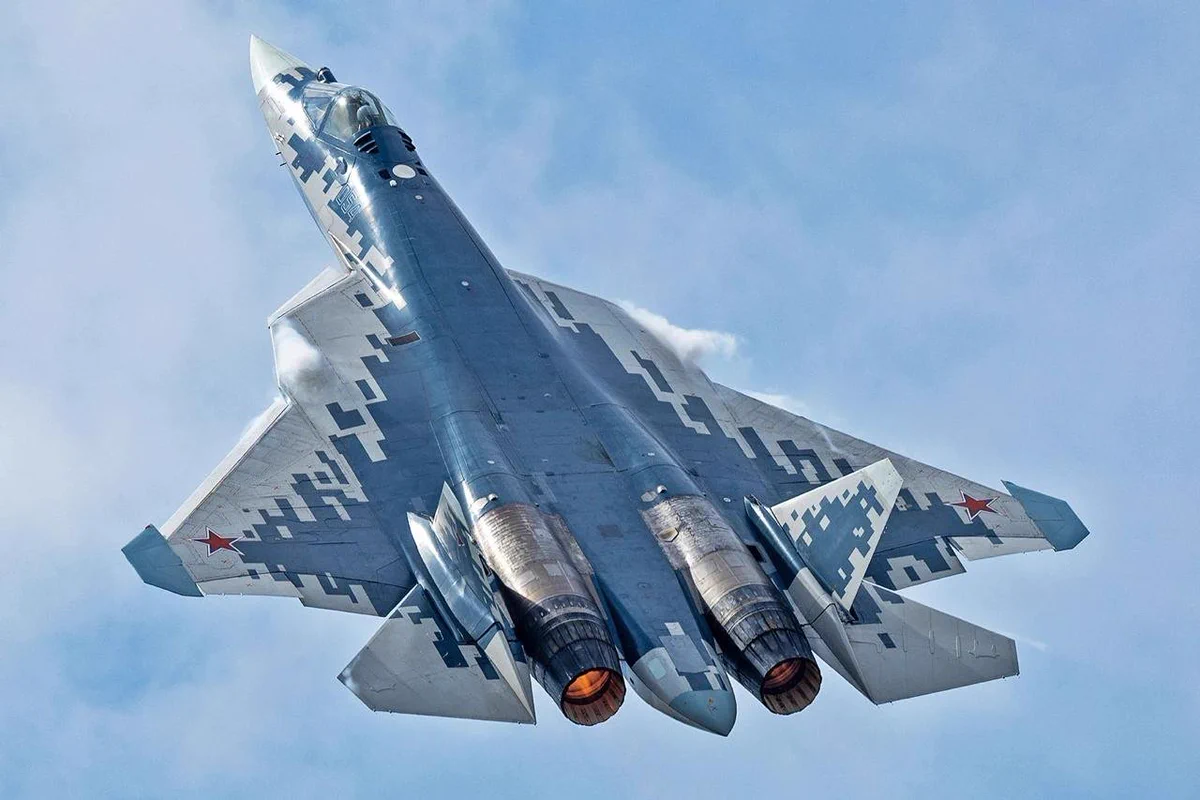
The Su-57 is the other major platform being considered. Kremlin spokesperson Dmitry Peskov has described the aircraft as one of the world’s leading fighter jets, while Russian officials have indicated their willingness to explore deeper industrial cooperation with India.
Potential arrangements could include licensed production of the Su-57 in India and integration of Indian weapons and systems. Such cooperation could allow the aircraft to be adapted to Indian operational requirements and potentially incorporate indigenous weapons technologies, building on longstanding Indo-Russian collaboration in projects such as the BrahMos missile.
The proposal comes as the Indian Air Force faces a serious shortage of fighter aircraft. Its operational squadron strength remains significantly below authorised levels, while China is rapidly expanding its fifth-generation fighter fleet and developing next-generation combat aircraft.
India’s own Advanced Medium Combat Aircraft (AMCA), its planned fifth-generation fighter, is not expected to enter operational service before the mid-2030s. The Su-57 could therefore potentially provide an interim capability while India develops its indigenous platform.
However, major questions remain unresolved. The India-Russia summit held last December did not include references to either the S-500 or Su-57 in its joint statement, indicating that technical, financial and logistical issues may still need to be settled.
The United States’ concerns over India’s continued procurement of Russian defence equipment could also complicate the proposed deals. New Delhi would need to balance its immediate military requirements with its expanding strategic and defence relationship with Washington.
Meanwhile, India and Russia are exploring broader military cooperation, including possible reciprocal access to military facilities and logistics arrangements. Discussions are also expected around upgrading India’s large fleet of Su-30MKI fighters, including improvements to radars, avionics and weapons systems.
The upcoming BRICS Summit in India, where Putin is expected to visit, could provide greater clarity on these proposals. For New Delhi, the ultimate decision will depend on whether Russian offers can meet India’s capability requirements while delivering meaningful technology transfer and domestic production, without compromising its broader strategic autonomy.
(Disclaimer :The content of this article is sourced from a news agency and has not been edited by the Mavericknews30 team.)