New Delhi, Sept 2026 : Prime Minister Narendra Modi on Saturday said India’s youth are playing an increasingly important role in the country’s growing startup ecosystem, with the entrepreneurial landscape now extending beyond major urban centres to Tier-2 and Tier-3 cities.
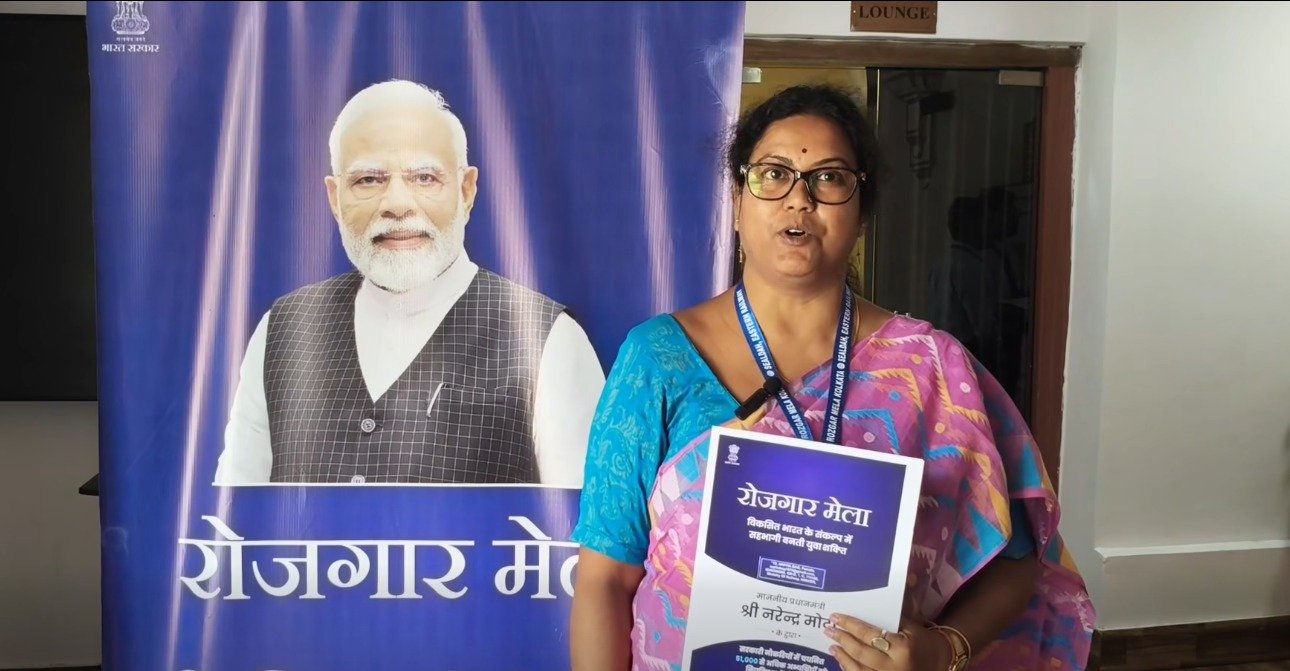
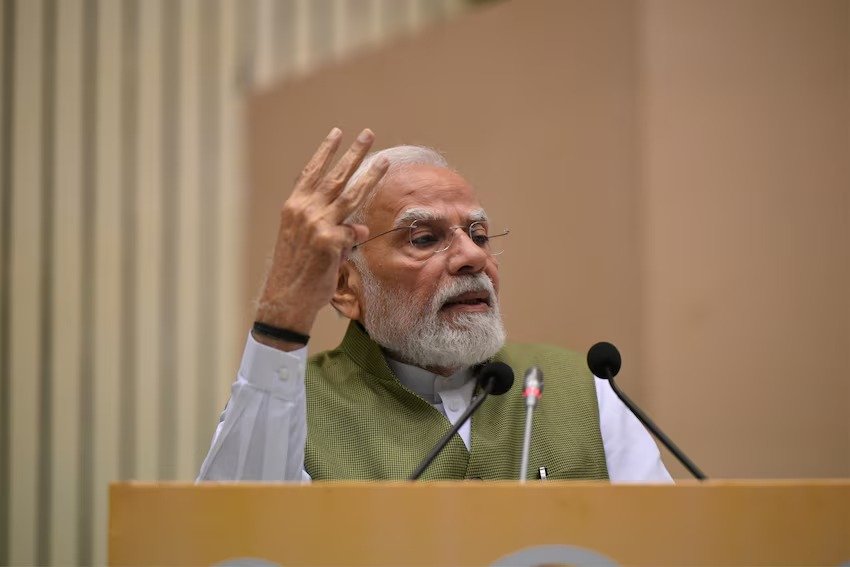
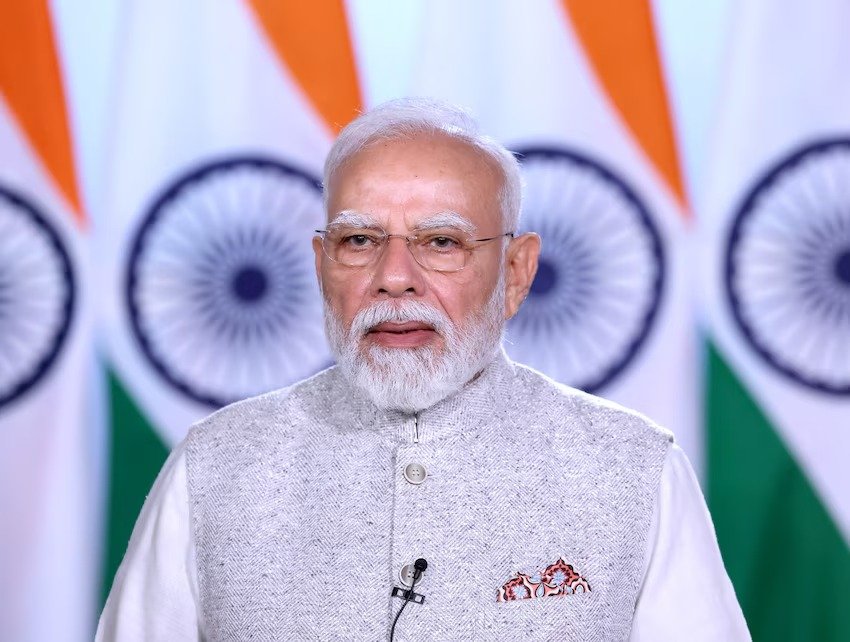
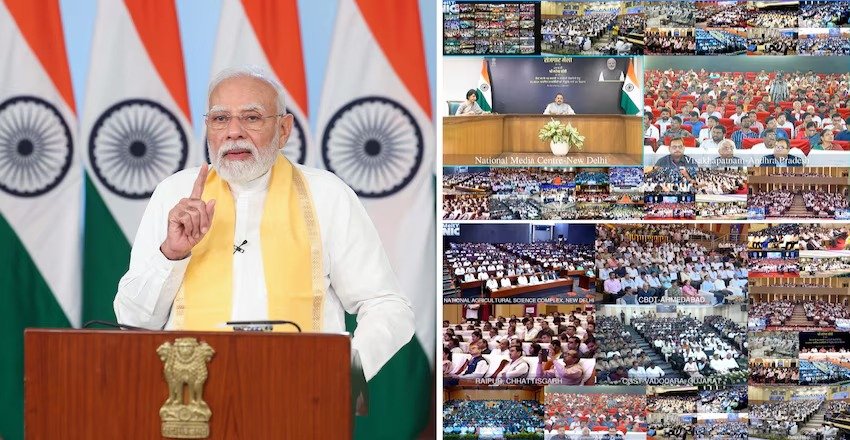
Modi made the remarks while addressing the 20th Rozgar Mela, during which he distributed more than 51,000 appointment letters to newly recruited youth joining various government organisations. The new appointees participated in the Rozgar Mela from 45 locations across the country.
Highlighting the potential of India’s young population, the Prime Minister said the country is now the world’s third-largest startup ecosystem and that its startup growth is no longer restricted to major cities.
“Today, nearly half of the recognised startups are located in Tier-2 and Tier-3 cities,” Modi said.
He said the trend demonstrates that young people from villages, towns and smaller cities are increasingly contributing to India’s emerging economy. According to the Prime Minister, young entrepreneurs in smaller towns are developing their own ideas, establishing companies and creating employment opportunities for others.
Modi said the government is also working to expand employment opportunities in the private sector. In this context, he highlighted the Pradhan Mantri Viksit Bharat Rozgar Yojana, which has an outlay of approximately Rs 1 lakh crore.
Under the scheme, around 2 crore young people are expected to receive opportunities to enter the workforce for the first time. The government will provide an incentive of up to Rs 15,000 to first-time job seekers, while employers generating new employment will also receive incentives, he said.
“The government is working on every front to boost employment across the nation,” Modi said.
The Prime Minister also emphasised the relationship between economic growth and employment generation. He said new opportunities emerge when the economy expands, investments rise, industries are established and new sectors develop.
Referring to India’s progress across various sectors despite global uncertainties, Modi said continued economic development would create more opportunities for the country’s youth.
Addressing the newly appointed government employees, the Prime Minister said their entry into public service brought with it an important responsibility towards citizens.
He urged the new recruits to ensure that difficulties and hardships experienced by them or their families do not continue to affect other citizens. Modi called upon them to make improving public service and addressing citizens’ difficulties an immediate priority after joining government service.
The Prime Minister also stressed the importance of continuous learning and skill development for government employees as technology and administrative systems evolve.
“You have arrived here through constant learning, and from this point onward, a new journey of lifelong learning begins,” Modi said. He encouraged the recruits to continuously upgrade their skills and familiarise themselves with emerging technologies and new systems.
He referred to Mission Karmayogi, the government's initiative aimed at strengthening the capacity and skills of civil servants. Modi said the programme would help new employees adapt to changing requirements and improve their ability to deliver public services.
According to the Prime Minister, more than 1.70 crore government employees have already joined the iGOT Karmayogi platform, which provides access to learning and professional development resources.
For newly recruited employees, the government has also developed ‘Karmayogi Prarambh’, a dedicated programme aimed at supporting their transition into public service.
Modi told the new recruits that continuous self-improvement would directly contribute to better public service delivery.
“The more you develop and improve yourselves, the better you will be able to serve the citizens of our nation,” he said.
The Prime Minister's address linked the government's employment initiatives with India's broader economic transformation, while highlighting the expanding role of young entrepreneurs and the importance of continuous skill development among those entering public service.