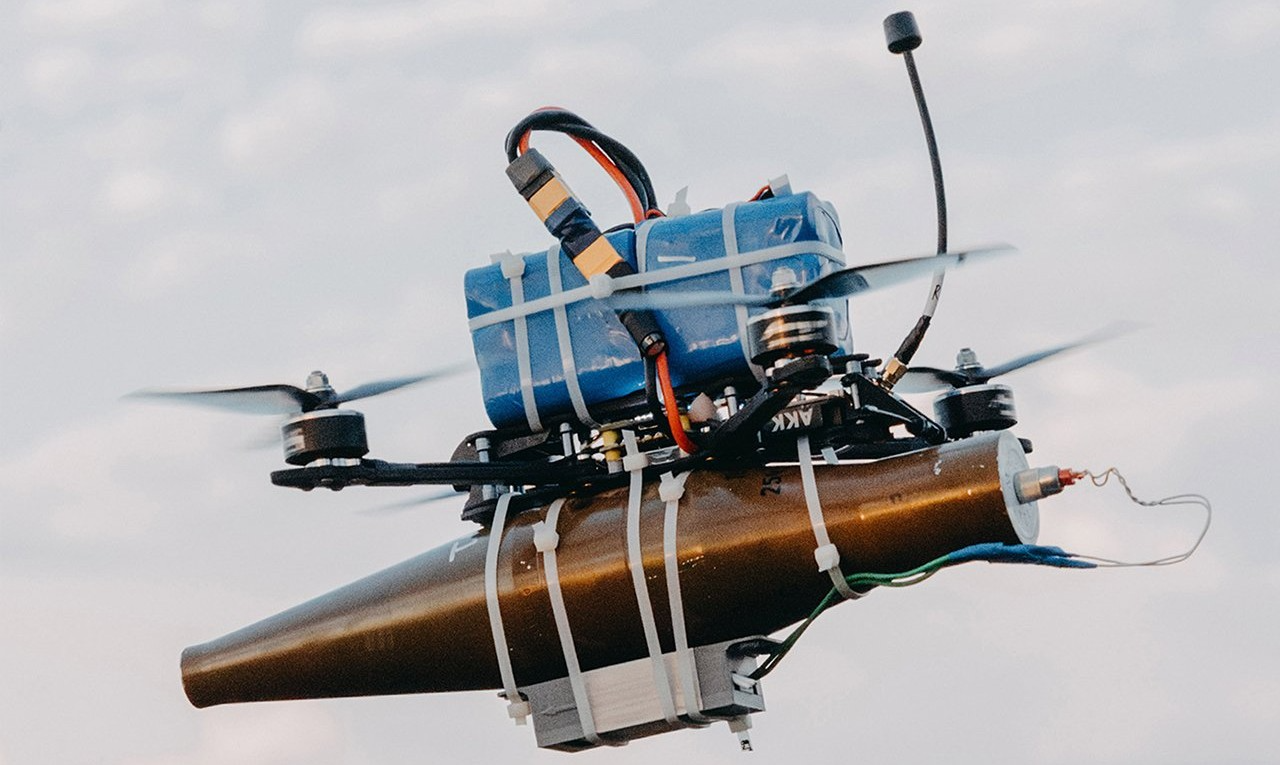
New Delhi, August 2026 : The Indian Army’s Northern Command has initiated a requirement for 2,405 anti-armour payloads designed for First-Person View (FPV) drones, highlighting the military’s growing emphasis on unmanned aerial systems for precision strike and tactical operations.
The requirement marks a significant expansion in the planned use of FPV and loitering-style drone systems in battlefield roles. Such platforms have emerged as important tools in modern warfare because of their ability to provide relatively low-cost, flexible and rapidly deployable options for engaging battlefield targets.
According to the requirement, the proposed payloads are expected to be compact and lightweight enough to be integrated with FPV drones and other multi-rotor platforms. The objective is to provide commanders with an additional precision-strike capability, particularly in challenging environments where conventional systems may face operational limitations.
The requirement is particularly relevant for difficult terrain, including mountainous regions and built-up areas. FPV drones can be operated with considerable flexibility and can approach targets from directions that may be difficult for conventional weapon systems to exploit. Their growing battlefield use has consequently prompted militaries around the world to explore ways of integrating them into regular operational structures.
The Northern Command’s requirement also places emphasis on reliable performance in high-altitude environments. The system is expected to remain operational at elevations of up to 4,500 metres above mean sea level, reflecting the Army’s focus on capabilities suited to demanding Himalayan theatres, including areas where extreme terrain, weather and logistical challenges can affect military operations.
The proposed acquisition comes amid a broader transformation in the role of unmanned systems in contemporary warfare. FPV drones, which were once largely associated with specialised or improvised battlefield applications, are increasingly being incorporated into military planning because of their speed, flexibility and ability to support precision engagements.
The scale of the requirement is particularly significant. The proposed 2,405 systems indicate an intention to move beyond limited experimentation and develop a larger operational capability based on unmanned platforms. Such an approach could provide frontline formations with greater flexibility and additional options during tactical operations.
The initiative also aligns with India’s continuing emphasis on domestic defence production under the Aatmanirbhar Bharat programme. Indian defence companies are expected to have an important role in developing and supplying such systems, potentially strengthening indigenous capabilities in unmanned warfare and reducing dependence on foreign suppliers.
The development is part of a wider effort by the Indian armed forces to modernise their inventory through the incorporation of drones, counter-drone systems, artificial intelligence-enabled technologies and other unmanned platforms. Recent conflicts have demonstrated how rapidly drone technology is changing battlefield tactics and influencing military procurement priorities.
For the Northern Command, which is responsible for sensitive and challenging operational environments along India’s northern frontiers, the development of compact unmanned strike capabilities could provide additional tactical flexibility.
The proposed procurement therefore reflects a broader shift in India’s defence strategy, with unmanned systems increasingly becoming an integral component of modern military operations. As FPV platforms continue to evolve, their integration into conventional military structures is expected to remain an important area of focus for India’s future battlefield preparedness and technological modernisation.
(Disclaimer :The content of this article is sourced from a news agency and has not been edited by the Mavericknews30 team.)