Tehran, Aug 2026 : Iran has issued a fresh warning to Israel and the United States, with a senior security official threatening a tougher confrontation if Washington continues its economic pressure on Tehran and cautioning that American economic interests across the region could face retaliation.
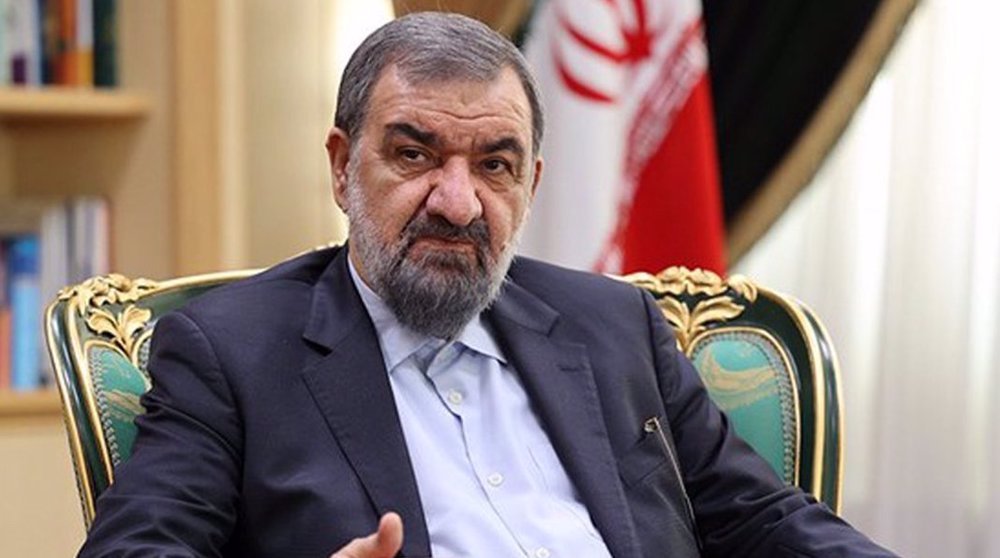
Iran’s Secretary of the Supreme National Security Council, Major General Mohsen Rezaei, said Tehran would respond forcefully if tensions with Israel escalate again. His remarks came amid continuing uncertainty over the possibility of renewed conflict and growing diplomatic efforts to prevent a wider regional confrontation.
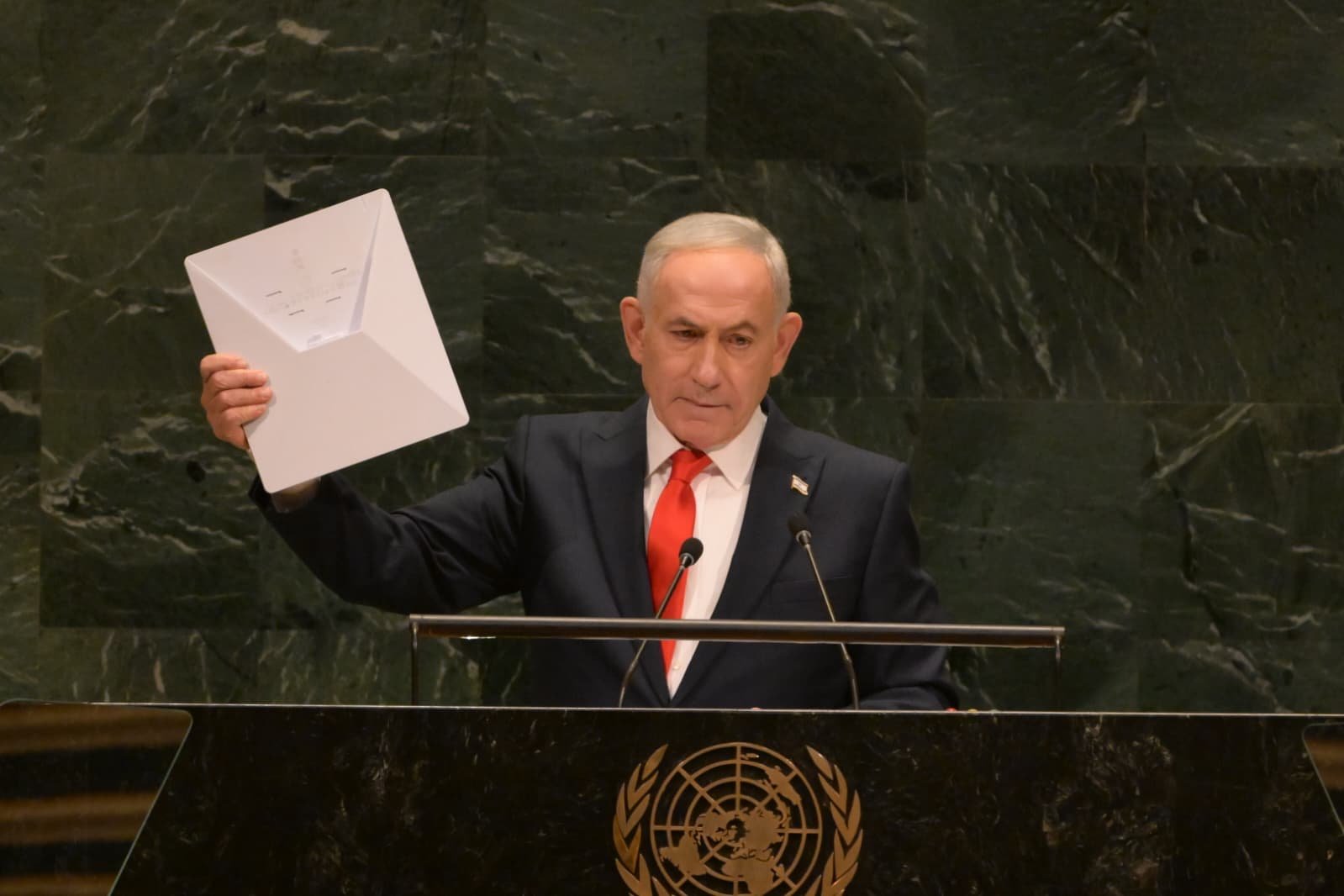
“We will send Benjamin Netanyahu, the Prime Minister of the Zionist regime, to hell,” Rezaei said in an interview with Al-Manar, according to Iranian state news agency IRIB.
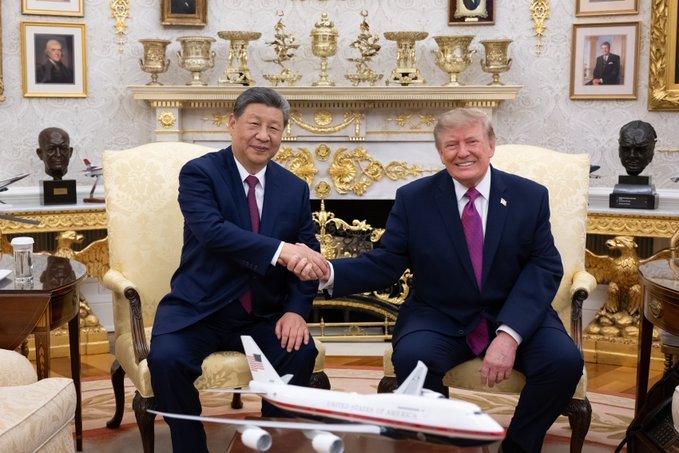
Rezaei accused Israeli Prime Minister Benjamin Netanyahu of pursuing policies that, he claimed, had brought the “end of the Zionist regime’s existence” closer. He also alleged that Netanyahu had sought to influence US President Donald Trump by spreading what Tehran described as false information about an alleged Iranian plot targeting Trump’s son.
“Netanyahu has panicked Trump and disrupted his decision-making by spreading false news about an ‘Iranian plot to assassinate Trump’,” Rezaei said, using sharply critical language to describe the alleged impact of the claims on the US president.
The Iranian official also warned that any renewed confrontation with Israel would represent a different phase of the conflict, particularly in relation to Lebanon. He said Tehran was closely monitoring developments and preparing for what he described as a potentially new type of war.
“We are monitoring the situation with full seriousness. Israel will be forced to withdraw from the occupied territories in Lebanon. If the conflict resumes, we are preparing ourselves for a new phase; any future war will be different from the previous ones,” he said.
Rezaei separately directed a strong warning at Washington over its economic measures against Iran. He argued that the US decision to rely more heavily on economic pressure demonstrated the limitations of military action and warned that Tehran could respond by targeting American economic interests in the region.
“The US shift to economic pressure demonstrated the futility of military strikes, and we will respond to any escalation of economic tension with countermeasures that target US economic interests in the region,” he said.
Rezaei claimed Iran had continued exporting oil during the ceasefire period and warned that a continued economic blockade could trigger a serious escalation.
“Continuing the siege means a severe confrontation with the American enemy. We exported 80 million barrels of oil during the ceasefire period. If the blockade continues, we will target American economic interests 100 per cent, with intensity and force,” he said.
The latest threats come as diplomatic efforts intensify to prevent tensions from spilling into a broader regional conflict. Qatar Prime Minister Mohammed bin Abdulrahman bin Jassim Al Thani travelled to Tehran on Thursday and met Iranian President Masoud Pezeshkian for discussions focused on regional security and the possibility of creating conditions for dialogue.
Pezeshkian stressed that Iran was not seeking to widen the conflict and maintained that outstanding disputes could be addressed through negotiations.
“Some events occurred that were unacceptable, but we still believe that Iran and Qatar are two countries of friends and brothers and that the issues that have arisen can be resolved through understanding,” Pezeshkian said.
Al Thani similarly emphasised diplomacy, saying that threats and force could not provide a lasting solution. He called for stability, security and economic peace to be restored through dialogue and a more rational approach.
The diplomatic push comes against the backdrop of continuing concerns surrounding the Strait of Hormuz, one of the world's most strategically important waterways. Qatar and Iran have been discussing the possibility of establishing a temporary navigational corridor and cooperating on mine-clearance efforts to improve maritime safety.
The developments highlight the delicate balance between military threats, economic pressure and diplomatic initiatives as regional powers seek to prevent another escalation while protecting critical trade and energy routes.
(Disclaimer :The content of this article is sourced from a news agency and has not been edited by the Mavericknews30 team.)