Verse 4 of the Purusha Sukta highlights the symbolic relationship between the cosmic being, the sacrificial ritual and the changing seasons
Jaipur, Nov 2026 : The fourth verse of the Purusha Sukta in the Rig Veda offers a symbolic description of the cosmic sacrifice performed by the gods, in which the different seasons are represented as essential elements of the ritual.
The verse reads:
Yat Purushena Havisha Deva Yajnam Atanvata,
Vasanto Asya Aseed Aajyam, Grishma Idhmah, Sharad Havih.
Meaning: When the gods performed the sacrifice using the Cosmic Being (Virat Purusha) as the offering, spring became the ghee, summer served as the sacrificial fuel, and autumn became the offering.
According to the interpretation presented by Jitendra Saxena of Vidya Bhavan Astro Research Centre, this verse can also be understood through the central role of the Sun in sustaining the universe and regulating the natural cycles of life.
The Sun and the Changing Seasons
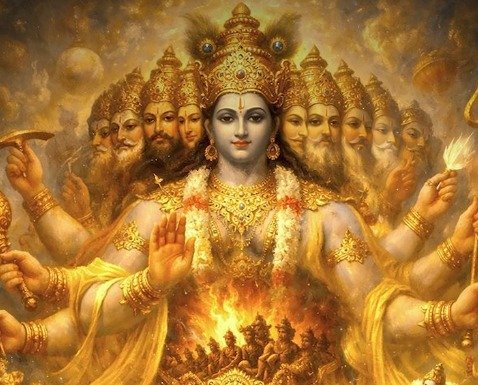
In this interpretation, the Sun is regarded as the central force governing the planetary system and is associated with the concept of the Supreme Purusha. The Sun is considered a symbol of creation, sustenance and transformation.
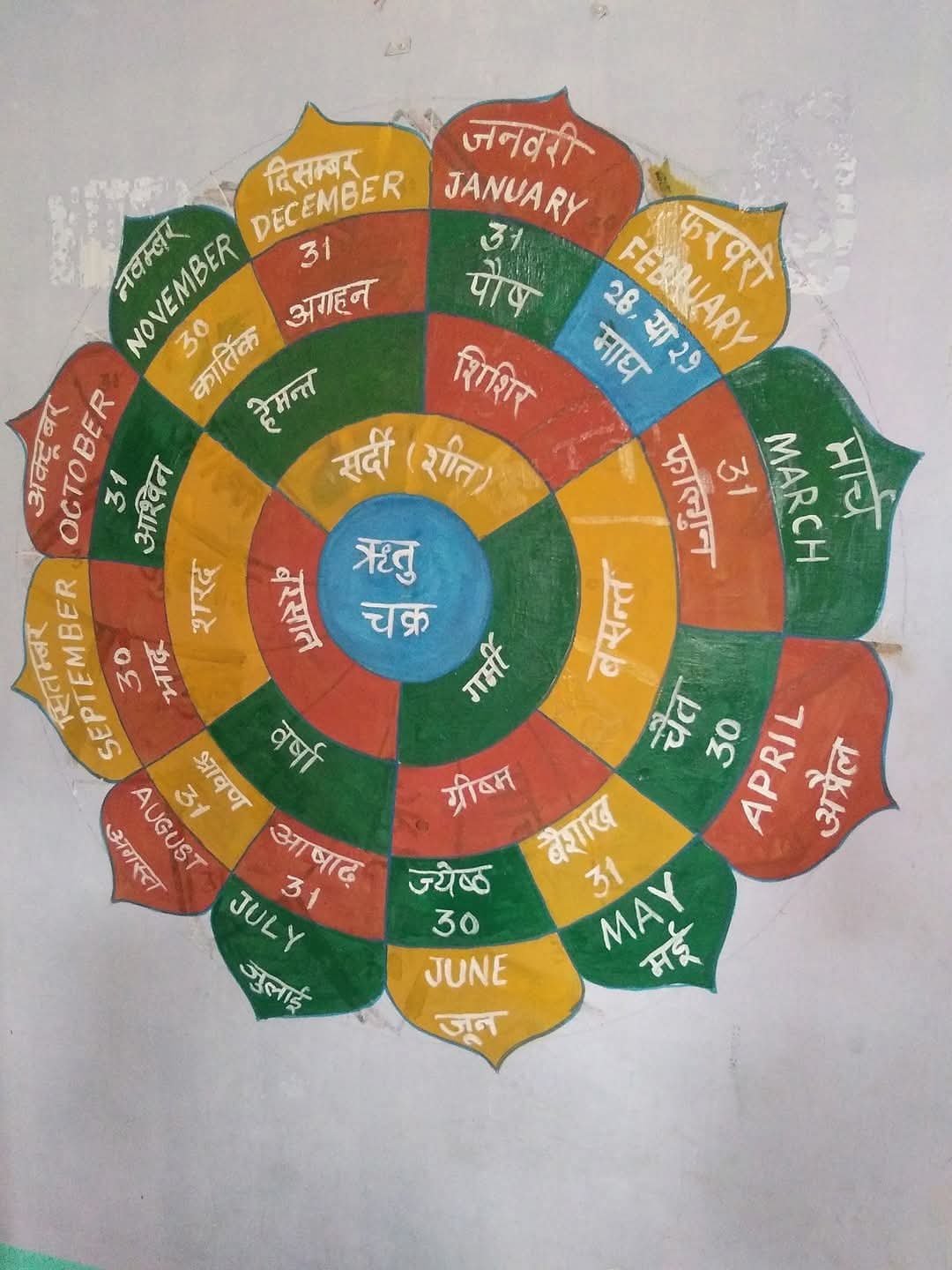
The changing seasons are also linked to the Sun's influence. From a scientific perspective, seasonal variations on Earth occur primarily because of the Earth's revolution around the Sun and the tilt of its rotational axis. These movements influence the distribution of sunlight received by different regions during the year.
The Sun, Months and the Calendar
The article also draws attention to references in the Yajurveda concerning the 12 months, 27 Nakshatras and their associated deities, along with the Sun's northward and southward movements, known as Uttarayana and Dakshinayana.
The Yajurveda mentions traditional names for the 12 months, including Madhu, Madhava, Shukra, Nabha and Tapas. These references are interpreted as reflecting an understanding of the annual cycle and the relationship between celestial movements and the measurement of time.
According to Saxena, the Purusha Sukta presents the Virat Purusha, identified in this interpretation with the Sun, as the central principle behind the calculation of seasons, months and lunar dates.
Worship of the Supreme Purusha
The interpretation further emphasises that the Supreme Purusha is the ultimate source of creation and the appropriate focus of spiritual worship. It identifies the Sun with Lord Narayana and recommends the regular recitation of the Purusha Sukta along with the worship of the Sun.
Spiritual Benefits of Recitation
According to the article, regular recitation and worship are believed to strengthen inner resolve and self-confidence, promote awareness and consciousness, and help individuals develop a witness-like perspective towards their own lives and circumstances.
The practice is also associated with greater awareness of the Panchang, or Hindu calendar, and an understanding of the present period of time.
The verse thus brings together spiritual symbolism, the natural cycle of seasons and traditional concepts of time, offering a perspective on the relationship between the cosmic order and human life.
— Jitendra Saxena, Vidya Bhavan Astro Research Centre