Washington, November 2026 : The United States and Qatar have signed a framework on critical minerals and reaffirmed their commitment to freedom of navigation through the strategically important Strait of Hormuz, strengthening their economic and security partnership amid continuing regional tensions.
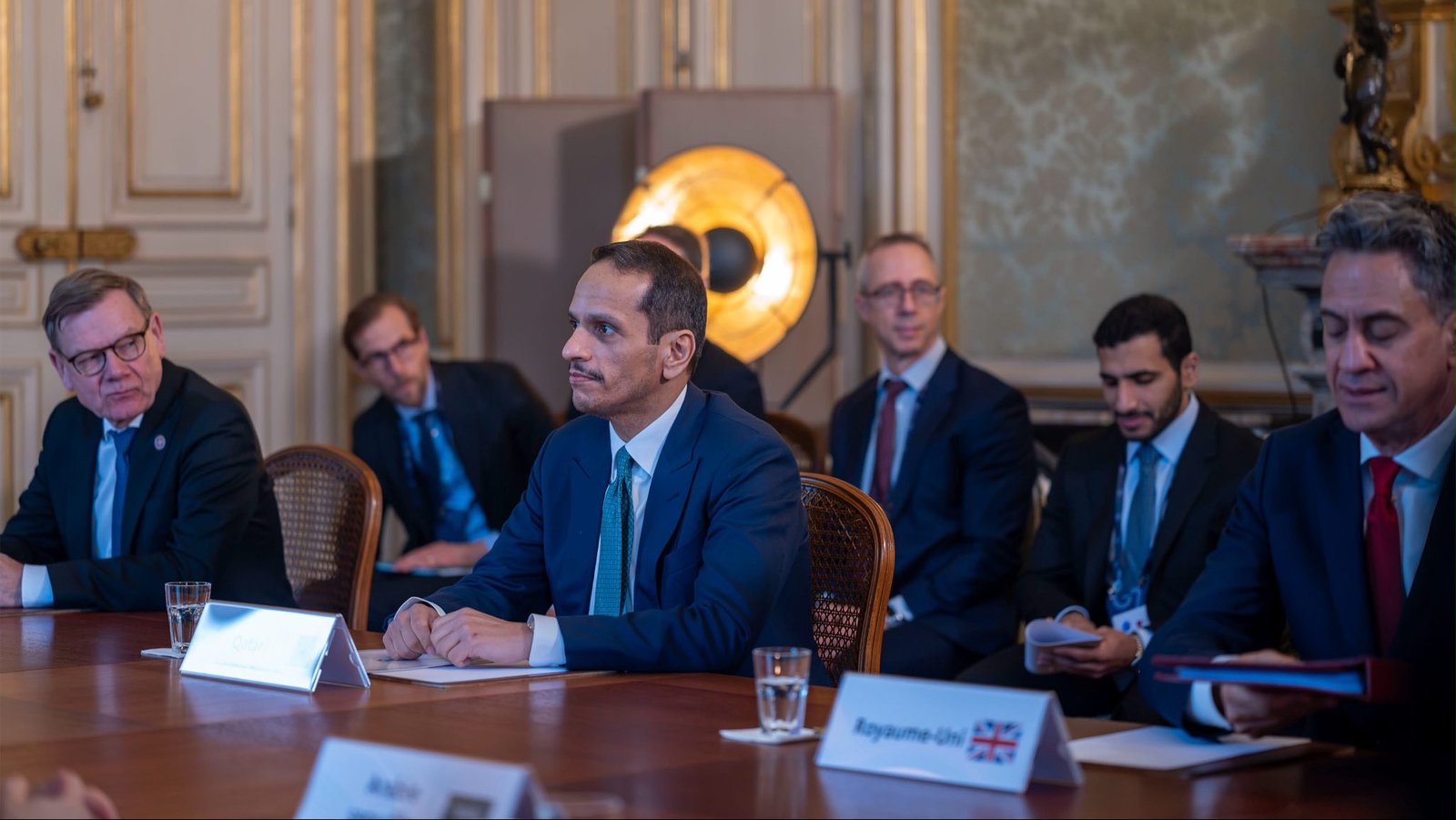
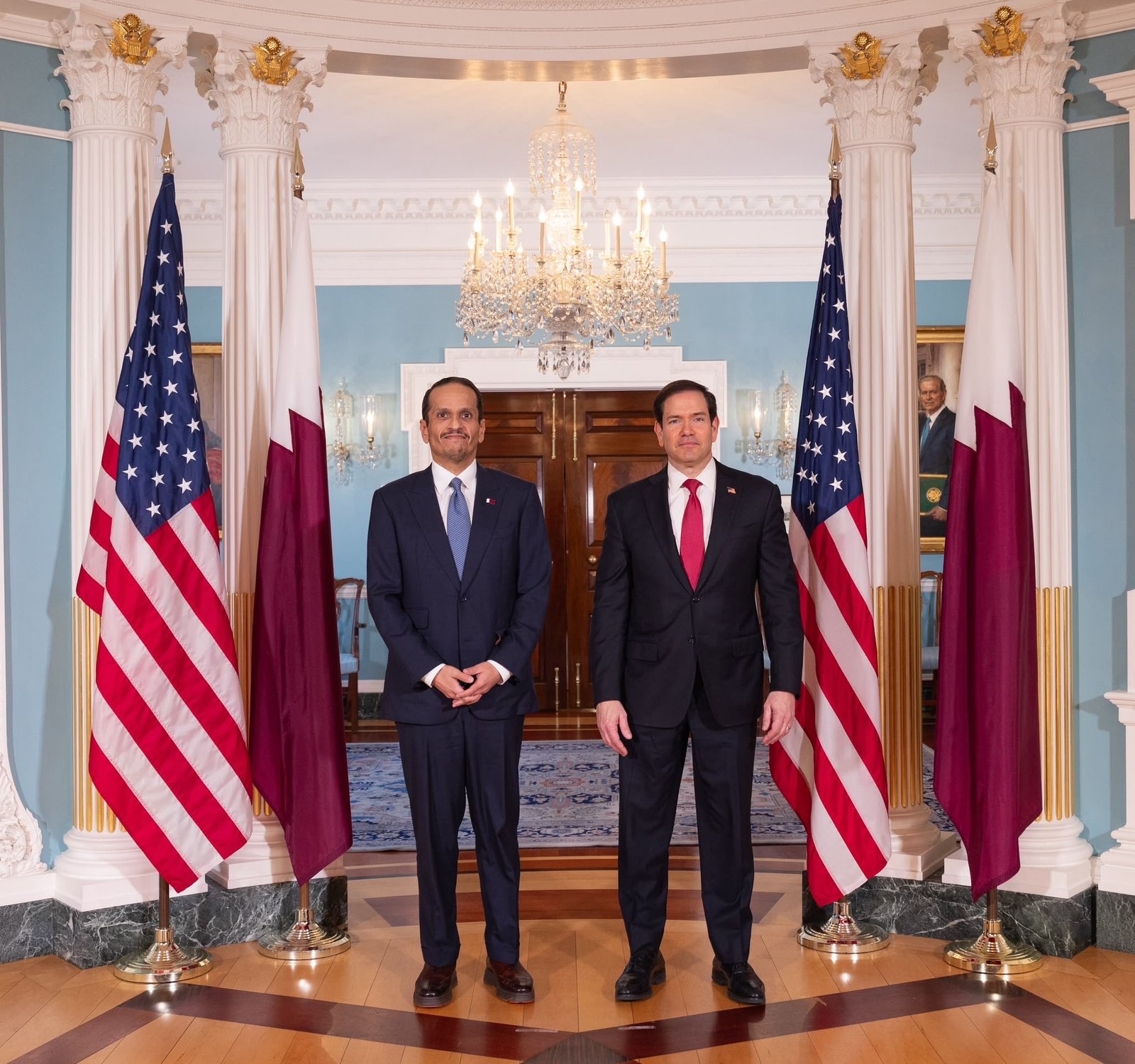
The agreements were announced following the eighth US-Qatar Strategic Dialogue in Washington, led by US Secretary of State Marco Rubio and Qatari Prime Minister and Foreign Minister Sheikh Mohammed bin Abdulrahman Al Thani.
In a joint statement, both governments reaffirmed their commitment to maintaining freedom of navigation through the Strait of Hormuz, describing safe and uninterrupted passage through the waterway as essential for regional security, reliable energy supplies and global economic stability.
The critical minerals framework seeks to align the two countries' strategies for diversifying supply chains and making them more resilient. However, the joint statement did not provide details of the framework, identify specific projects or announce any funding commitments.
The Strait of Hormuz remains a vital route for global energy trade. The US Energy Information Administration estimates that around one-fifth of global liquefied natural gas (LNG) trade passed through the strait in 2024, with Qatar accounting for a major share of the shipments. China, India and South Korea together received 52 per cent of the LNG transported through the waterway that year.
Rubio thanked Qatar's leadership for its international mediation efforts. A separate US State Department statement said he emphasised the importance of close coordination with Doha to deter threats and promote stability across the Middle East.
Qatar has continued diplomatic engagement aimed at narrowing differences between Washington and Tehran. Foreign Ministry spokesperson Majed bin Mohammed Al Ansari said on November 17 that efforts to facilitate dialogue were ongoing, with representatives meeting periodically to discuss proposals. He warned that further escalation in the Gulf could threaten maritime navigation, the global economy and prospects for an agreement.
The strategic dialogue also covered cooperation in advanced computing, digital infrastructure, cybersecurity, energy and critical minerals. Washington welcomed Qatar's participation in Pax Silica, an initiative focused on technology and supply-chain security.
On defence cooperation, the two governments reviewed progress under an existing $38 billion statement of intent. They also discussed potential investments in munitions and military equipment to improve coordination and interoperability between their armed forces.
Both sides highlighted the Golden Pass LNG project as an important component of their energy partnership.
Regional developments involving Iran, Gaza, Syria, Lebanon and Afghanistan also featured in the discussions. The governments reviewed cooperation to counter terrorism, money laundering and transnational organised crime.
The joint statement said further discussions on defence, security, counterterrorism, law enforcement and cultural ties would continue into early 2027, reflecting the broadening scope of US-Qatar cooperation.
(Disclaimer :The content of this article is sourced from a news agency and has not been edited by the Mavericknews30 team.)