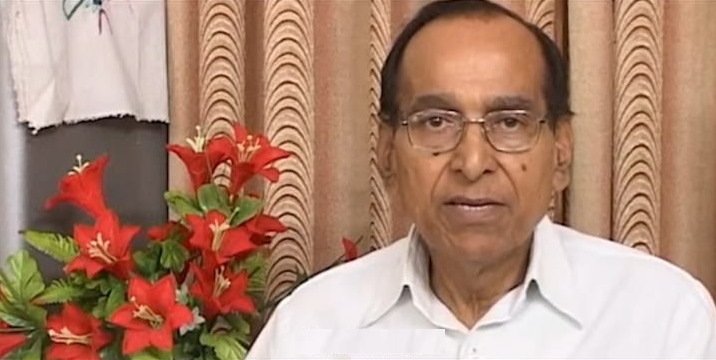
Remembering a leader whose life was deeply intertwined with Lucknow and whose commitment to the common citizen continues through his son, Dr. Neeraj Bora
Lucknow, Oct 2026 : There are some leaders whose political careers are measured not only by the offices they held, but by the lives they touched and the causes they chose to champion. Late D. P. Bora was one such public figure. For decades, his name remained closely associated with Lucknow, its people and the issues affecting ordinary citizens.
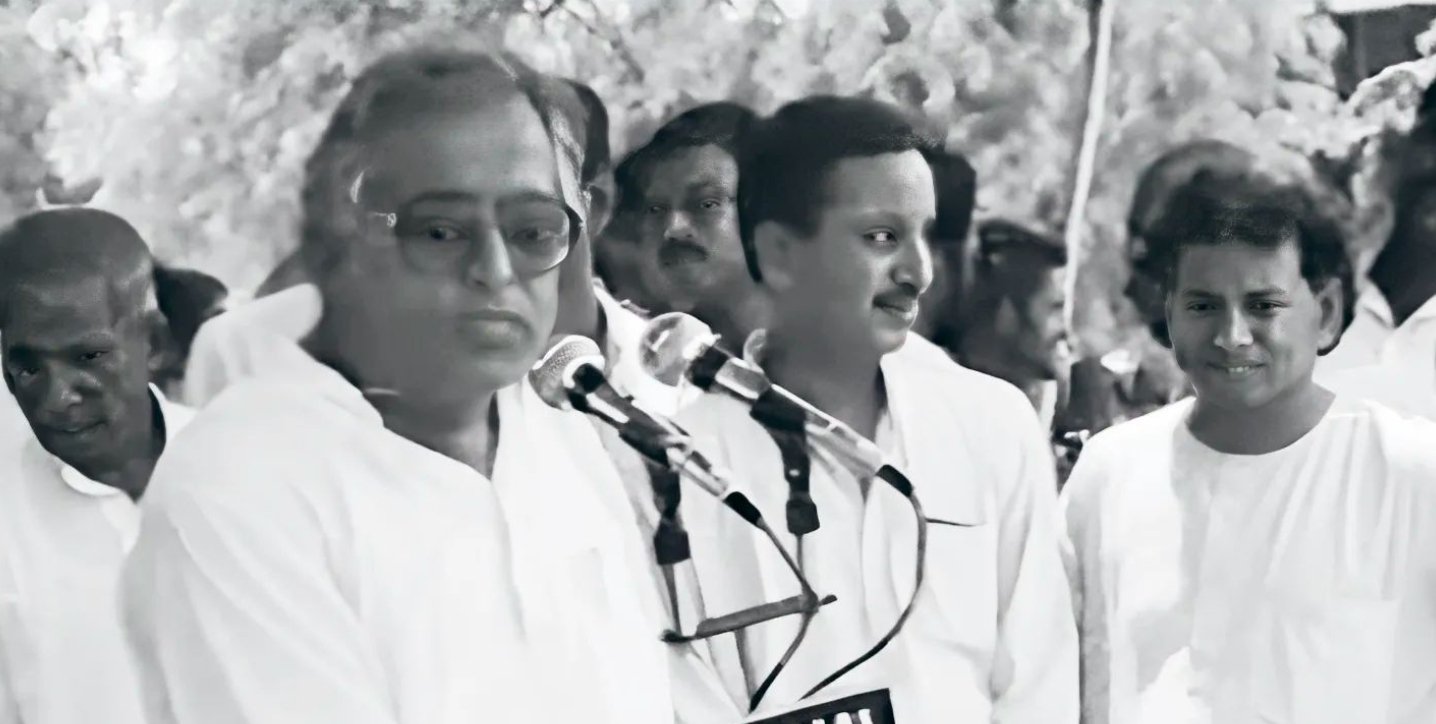
Born on October 7, 1940, Devi Prasad Bora began his public journey as a student leader. In 1966–67, he was elected President of the Lucknow University Students’ Union, giving him an early platform to raise issues concerning students and society. His involvement in public movements during the 1960s and 1970s gradually took him from student politics into mainstream public life.
Bora’s student years brought him into contact with several prominent national leaders, including Jayaprakash Narayan. He subsequently became associated with wider student and public movements and played a role in the state-wide student agitation of the 1970s.
His transition to electoral politics came in 1969, when he was elected to the Uttar Pradesh Legislative Assembly from the then Lucknow West constituency. At the time, he was the youngest member of the Assembly. He returned to the House in 1977, again representing Lucknow West.
His political career was closely connected with issues affecting ordinary citizens, particularly basic civic amenities and the concerns of economically weaker and marginalised sections. For Bora, politics was not confined to the Assembly. He believed that problems faced by people in their neighbourhoods deserved to be taken into the public domain and pursued with determination.
Taking Up Lucknow’s Civic Issues
One of the defining features of Bora’s public life was his willingness to turn everyday problems into public movements. Water scarcity in Lucknow became one of the issues most closely associated with his activism.
His campaigns, popularly remembered through slogans such as “Ghada Phodo Andolan” and “Bamba Kato Andolan,” sought to draw attention to the city’s drinking-water crisis. His supporters credit these efforts with helping create momentum for additional water infrastructure in Lucknow.
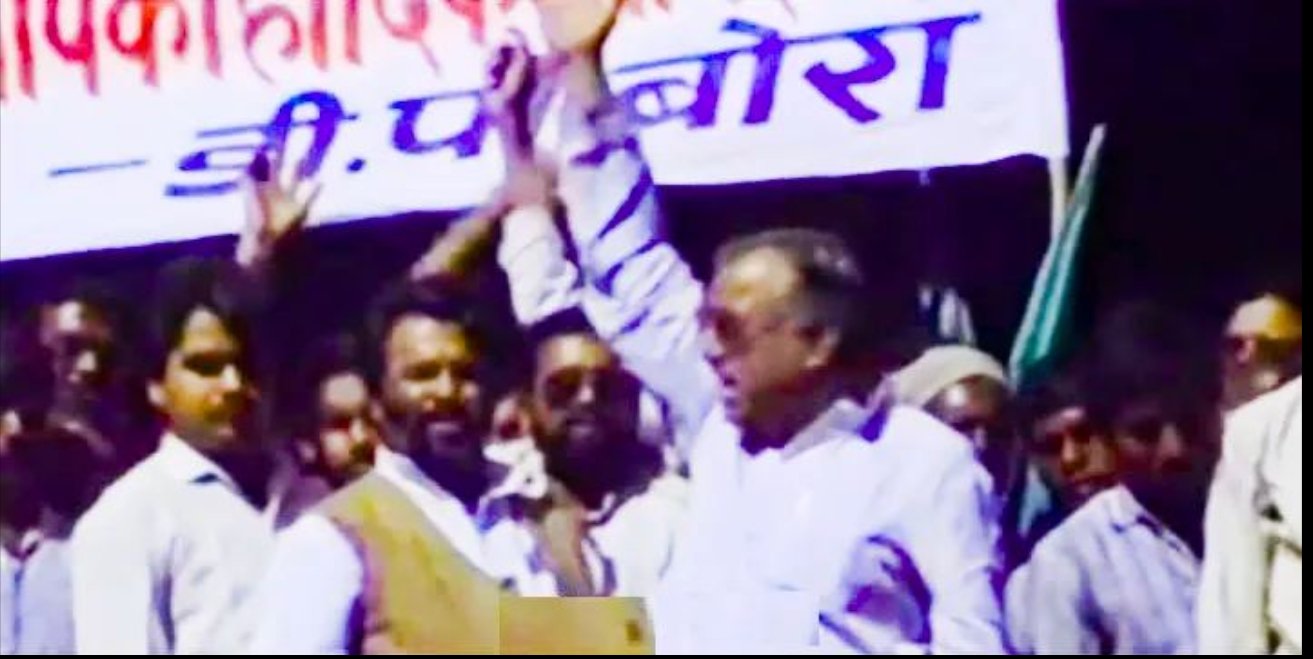
Water was not the only civic concern he took up. Issues relating to sanitation, electricity and other basic amenities also became subjects of public campaigns associated with him. His approach was straightforward: concerns affecting ordinary citizens had to be heard, discussed and pursued.
Another initiative associated with Bora was “Lucknow Ki Jan Adalat”, a platform where civic problems were brought into public discussion. It reflected his belief that democracy was not merely about elections, but also about creating avenues through which citizens could make their voices heard.
This engagement with grassroots concerns gave Bora a distinctive place in the political history of Lucknow and Uttar Pradesh. His public identity was shaped as much by his connection with citizens and their everyday concerns as by his years in the Legislative Assembly.
A Legacy Remembered
D. P. Bora passed away on November 13, 2014, leaving behind a legacy that continued to be remembered in Lucknow.
In 2025, on the occasion of his 85th birth anniversary, Uttar Pradesh Chief Minister Yogi Adityanath paid tribute to Bora and recalled his contribution to deprived and marginalised sections of society. The occasion also saw the inauguration of Seva Shakti Centres associated with the D. P. Bora Memorial Committee, focusing on women’s skill development and economic self-reliance.
The initiatives associated with the memorial committee have sought to carry forward themes of social service, empowerment and community engagement that were central to Bora’s public life.
A Legacy Carried Forward
The most meaningful continuation of a public servant’s legacy is often seen when the next generation remains connected with the same spirit of service. Bora’s son, Dr. Neeraj Bora, has carried that family tradition into a new generation while developing his own identity through politics, healthcare and social initiatives.
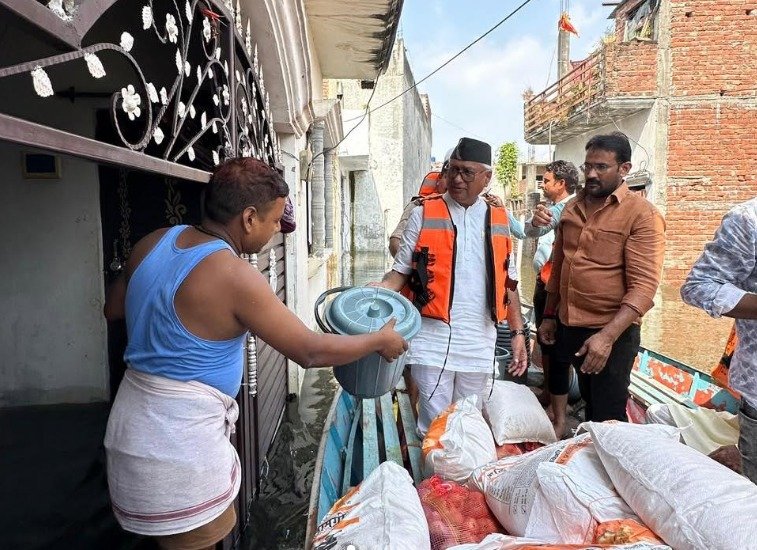
Born in Lucknow on March 31, 1967, Dr. Neeraj Bora is an MBBS and MBA graduate. He entered public life through medicine and social service and was later elected as the BJP MLA from Lucknow North in 2017. He was re-elected from the constituency in 2022 and continues to represent Lucknow North.
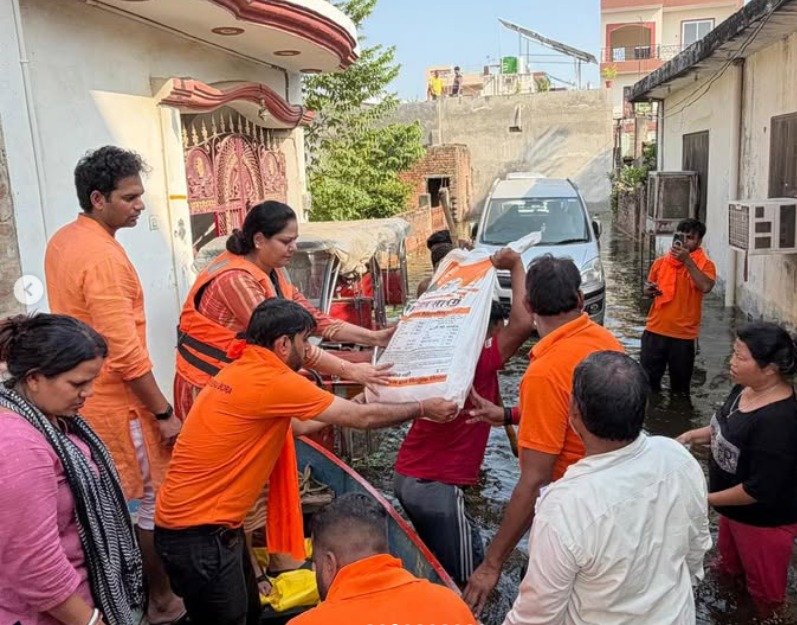
His public work has combined politics with healthcare, education and community initiatives. He has been associated with medical and educational institutions as well as various social, cultural and community organisations. His legislative work has also involved issues raised by constituents and in the Assembly.
While D. P. Bora’s public life was shaped largely by grassroots movements and civic campaigns, Dr. Neeraj Bora has brought his professional background in medicine into his political and social work. The two generations therefore represent continuity as well as an evolution in the way the family has engaged with public service.
A Continuing Connection with Lucknow
For Lucknow, the story of D. P. Bora is not simply a chapter from the past. It is a story of a leader whose political identity was closely connected with the city and its people.
His journey from student leadership at Lucknow University to the Legislative Assembly reflected a period when student activism, public movements and grassroots politics played an important role in shaping public participation. His campaigns around water and civic amenities highlighted how local issues could become matters of wider public concern.
For those who remember him, Bora’s enduring contribution lies in his efforts to give ordinary citizens a voice and keep public attention focused on problems that directly affected their lives.
That connection has continued through his family. Dr. Neeraj Bora’s presence in public life represents a new chapter in a tradition that began with his father’s student activism more than five decades ago.
D. P. Bora may no longer walk the streets of Lucknow or stand before its people, but the values associated with his public life — standing with ordinary citizens, raising civic concerns and remaining connected with society — continue to find expression through the work carried forward by his family.
Ultimately, the lasting measure of a public servant is not only the offices he held, but the causes he pursued and the people he remained connected with. In that sense, D. P. Bora’s legacy continues to live on in Lucknow, through the public initiatives associated with his name and through the service of his son, Dr. Neeraj Bora.
Team Maverick.