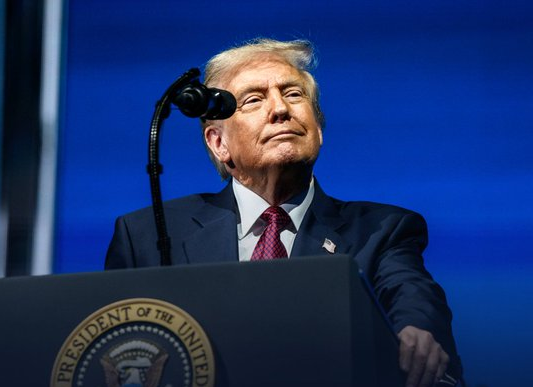

Riyadh, September 2026 : Saudi Crown Prince Mohammed bin Salman called US President Donald Trump twice on Thursday and urged him to authorise direct US military strikes against Yemen’s Iran-backed Houthi forces as they advanced towards the strategically important Bab al-Mandab Strait, according to a report by Axios citing two US officials familiar with the matter.
Trump declined the request, with US officials indicating that the administration currently has no plans to directly intervene against the Houthis. The development comes as Houthi forces seized a strategic coastal city in Yemen, bringing them closer to Bab al-Mandab, a vital maritime chokepoint connecting the Red Sea with the Gulf of Aden.
The waterway is a major route for international shipping and is also strategically important for Saudi Arabia’s oil exports. Growing concerns that the fighting could disrupt maritime traffic sent oil prices sharply higher on Thursday.
The situation has become particularly sensitive as Iran is already disrupting shipping through the Strait of Hormuz. Increased Houthi activity around Bab al-Mandab could give Tehran and its regional allies another potential pressure point against Washington and its Gulf partners.
Despite declining to launch direct strikes, the United States is increasing support for Saudi Arabia while seeking to avoid opening another military front in Yemen. US Central Command chief Admiral Brad Cooper travelled to Saudi Arabia on Thursday for urgent coordination meetings, according to the report.
The Saudi-Houthi confrontation intensified in July after Riyadh prevented an Iranian aircraft carrying senior Houthi officials from landing in Sanaa after their return from the funeral of former Iranian Supreme Leader Ali Khamenei.
Following the incident, MBS sought Trump's political backing for a proposed Saudi strike on Sanaa airport, while making clear that Riyadh did not require direct US military assistance. Trump supported the move.
The Houthis subsequently retaliated by attacking Saudi tankers in the Red Sea and threatening the kingdom's oil-export routes. Their attacks later expanded to Saudi energy infrastructure, prompting Saudi Arabia and its Yemeni allies to launch airstrikes and ground operations against Houthi positions.
Thursday's request for direct US military action therefore marked a significant shift in Riyadh's position, which had previously emphasised its ability to address the Houthi threat without American military intervention.
As fighting intensified, Saudi Arabia increasingly sought US assistance. American military and civilian officials have reportedly told their Saudi counterparts that Trump's priority is to keep US forces focused on Iran and the Strait of Hormuz rather than opening a new military front in Yemen.
According to US officials cited by Axios, MBS initially called Trump on Thursday to brief him on the deteriorating battlefield situation as Houthi forces moved towards the coastal city of Mokha and Saudi-backed Yemeni forces retreated. Several hours later, the Saudi crown prince called again and specifically urged Trump to authorise US strikes against Houthi positions. Trump again declined.
Washington has nevertheless offered Saudi Arabia intelligence and targeting assistance against the Houthis. Around 200 US military personnel are already stationed in Saudi Arabia and are providing non-kinetic support, according to a US official.
A senior Trump administration official said Washington's immediate priority was to keep the Red Sea open while allowing regional partners to take the lead in dealing with the wider conflict.
“The United States is focused on protecting our core national security interests — such as ensuring freedom of navigation in the Red Sea — while empowering our regional partners to take the lead in managing and resolving regional security challenges,” the official said, according to Axios.
The official added that Washington remains in continuous dialogue with Saudi Arabia and Yemen's internationally recognised government on regional stability.
The developments underscore the growing strategic importance of Bab al-Mandab amid wider tensions involving Iran, the Houthis, Saudi Arabia and the United States, while Washington continues to weigh regional security commitments against the risks of deeper military involvement in Yemen.
(Disclaimer :The content of this article is sourced from a news agency and has not been edited by the Mavericknews30 team.)