Doha, Aug 2026 : Qatar on Tuesday said it was continuing diplomatic contacts with both the United States and Iran in an effort to bring the two sides back to negotiations, amid heightened tensions and fresh US economic sanctions against Tehran.
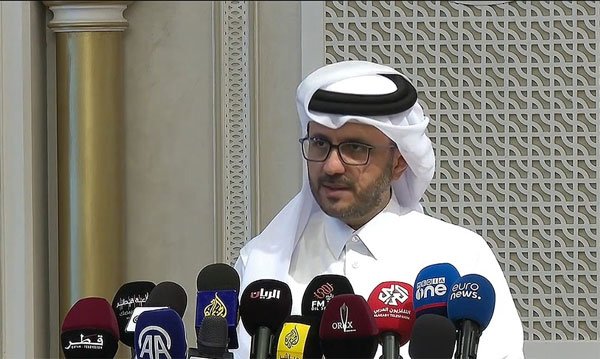
Qatari Foreign Ministry spokesperson Majed Al Ansari said officials were maintaining regular communication with both sides and exploring possible ways to revive diplomatic talks.
“Our officials are on the phone on a daily basis trying to workshop ideas, workshop ways of getting back to the negotiations,” Al Ansari said during his weekly media briefing.
Qatar has repeatedly backed dialogue as the preferred means of resolving disputes between Washington and Tehran. Al Ansari said Doha remained focused on creating conditions that could facilitate a return to negotiations and reduce the risk of further escalation.
The Qatari official also addressed the situation surrounding the Strait of Hormuz, a strategically important waterway through which a significant share of global energy supplies passes.
Calling for dialogue and diplomacy, Al Ansari said the immediate priority should be restoring freedom of navigation and ensuring the reopening of the strategic waterway.
On the latest US economic sanctions targeting Iran, Al Ansari described the measures as unilateral and reiterated Qatar’s preference for a diplomatic solution to the dispute.
His remarks came as tensions between Washington and Tehran remained high, with both sides issuing sharply contrasting statements on the prospects for ending the conflict and restoring normal navigation through the Gulf.
Iranian Foreign Ministry spokesperson Esmaeil Baghaei said on Monday that Tehran would not accept an end to the conflict on terms imposed by what he described as “aggressive” parties.
“We have definitely not been the party to start the war, but we will not let the war’s end be based on the aggressive parties’ conditions,” Baghaei said at a weekly press conference in Tehran.
He stressed that Iran remained determined to defend its territory and would not compromise with what he called aggressive forces or surrender to their “excessive demands.”
Baghaei also rejected US statements regarding the Strait of Hormuz, including claims that the waterway remained open and that millions of barrels of oil were continuing to pass through it each day.
He described such assertions as part of what he called “psychological and media warfare”.
The Iranian spokesman further criticised Washington’s latest economic measures, saying Tehran would use its “multilateral capacities” to counter the sanctions. He accused the United States of undermining free trade and national sovereignty through its economic pressure campaign.
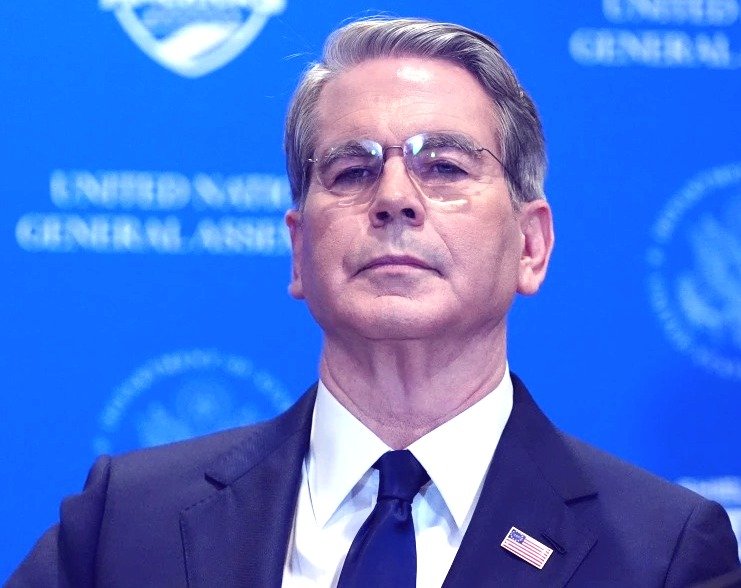
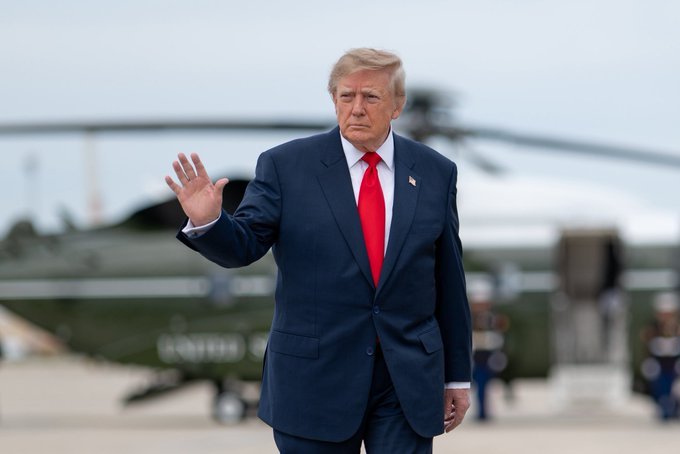
Meanwhile, US Treasury Secretary Scott Bessent announced a fresh wave of sanctions on Monday as part of Washington’s effort to further isolate Iran economically. He warned countries and entities maintaining dealings with Tehran that they could face consequences.
Against this backdrop, Qatar’s continued engagement with both Washington and Tehran highlights Doha’s efforts to keep diplomatic channels open and encourage a negotiated settlement.
Al Ansari’s comments also underscored Qatar’s concern over freedom of navigation and the wider economic consequences of prolonged tensions in the region.