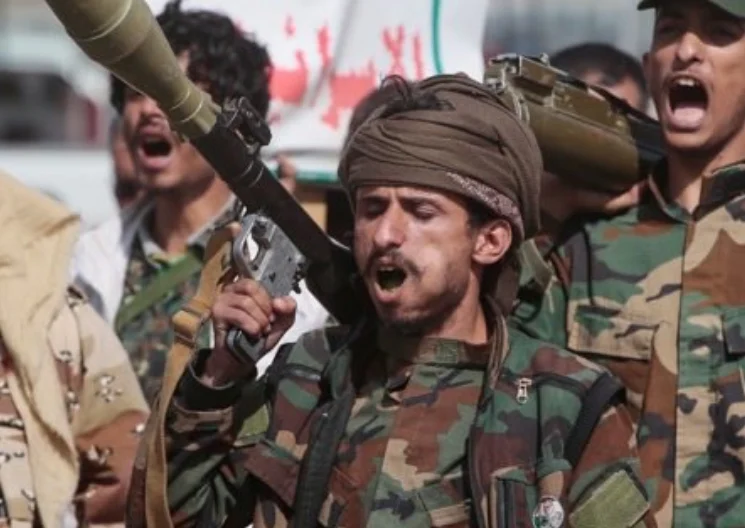
Riyadh, September 2026 : Saudi Arabia and Iran-backed Houthi forces in Yemen exchanged fresh strikes across their border on Thursday, as the widening Middle East conflict intensified concerns over regional security and global oil supplies.
Houthi-controlled television reported that Saudi airstrikes targeted areas in Hajjah province near the Saudi border as well as locations around Taiz farther south. Saudi civil defence authorities said a Yemeni national living in Saudi Arabia was killed after debris from a drone intercepted by Saudi forces fell in the western city of Taif.
It was the first death reported by Saudi authorities from repeated Houthi attacks since the latest escalation began last week. Saudi officials have previously said that more than 80 people were wounded in the attacks.
The widening hostilities have also raised concerns about shipping routes used for Gulf oil exports. The Red Sea route has come under increased security pressure, while commercial traffic through the strategically important Strait of Hormuz remains restricted.
Iran’s Revolutionary Guards Navy said a Togo-flagged oil tanker caught fire after being struck while attempting what it described as an “illegal passage” through the Strait of Hormuz, Iranian state media reported. The vessel later stopped after the fire broke out.
The latest developments have added to pressure on regional energy markets. Global crude oil prices eased slightly on Thursday but remained above $100 a barrel after reaching their highest level since May. The average retail price of diesel in the United States also climbed to a record high of nearly $6.40 per gallon.
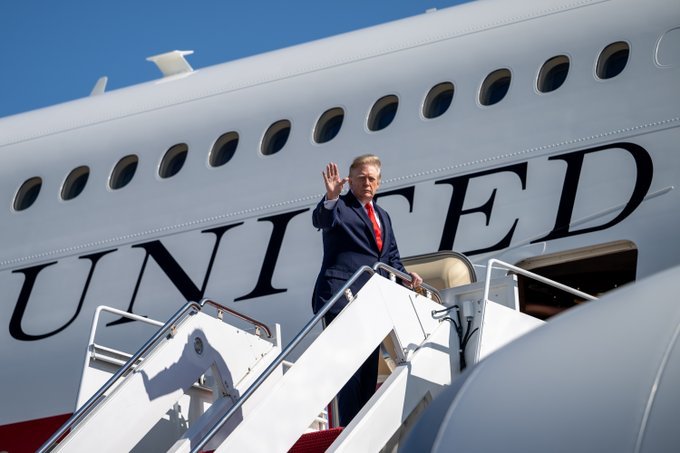
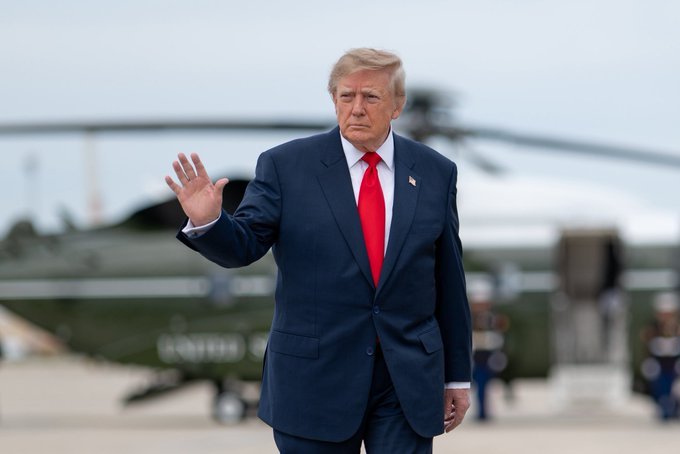
The escalation has also drawn attention to the role of the United States. US President Donald Trump has rejected Saudi requests for military support against the Houthis. The group had agreed to a ceasefire with Washington last year after US forces conducted a two-month bombing campaign against Houthi positions.
Trump said on Thursday that he was facing a critical decision on whether to resume large-scale attacks on Iran. Speaking to Axios, he said, “I have a big decision coming up,” while indicating that a range of possibilities remained under consideration.
Meanwhile, the fighting has triggered a new displacement crisis in Yemen. Thousands of civilians have fled the country by boat, crossing the Bab el-Mandeb Strait to Djibouti. The International Organization for Migration said more than 100,000 Yemenis had been displaced by the latest fighting, with most remaining displaced within Yemen.
The conflict has further heightened concerns about the Strait of Hormuz, a vital global energy corridor through which about one-fifth of global oil and liquefied natural gas supplies passed before the war.
Iran has said the waterway will remain closed until the US blockade is lifted. Tehran is also seeking an arrangement with neighbouring Gulf states that would allow it to collect fees from vessels using the strategic waterway, according to the source.
The combination of renewed cross-border attacks, disruption risks in major shipping corridors and rising displacement has added to uncertainty across the Middle East and global energy markets.
(Disclaimer :The content of this article is sourced from a news agency and has not been edited by the Mavericknews30 team.)