Women and Child Development Minister Aditi Tatkare Directs Regular Review of Anganwadi Centres
Child Nutrition Action Plan to Continue Until March 2027
Special Measures for Pregnant Women, Lactating Mothers and Malnourished Children
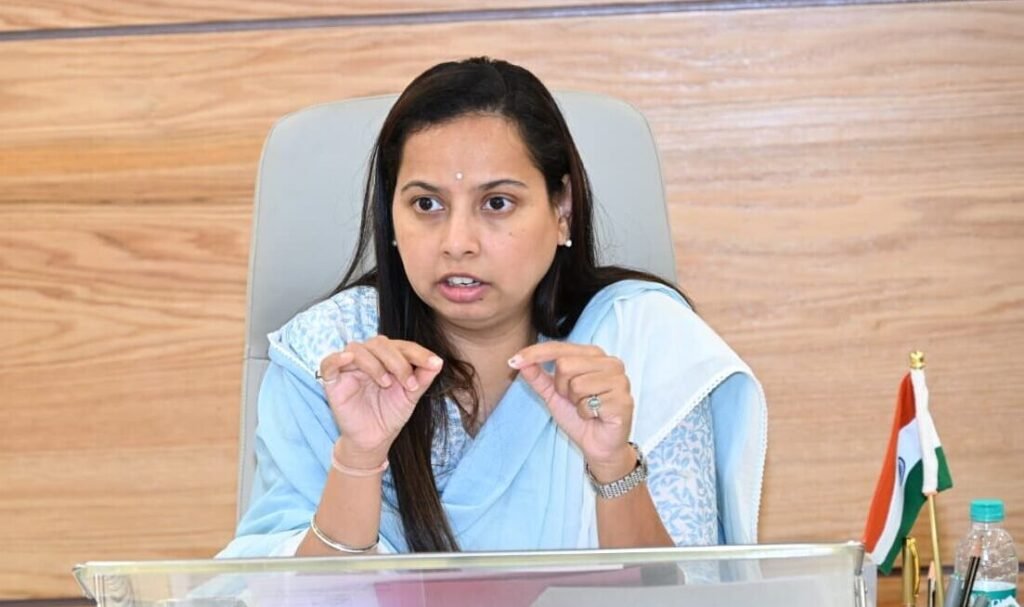
Mumbai, October 2026 : Women and Child Development Minister Aditi Tatkare has directed the concerned departments to work in coordination to prevent malnutrition among children in drought-affected areas of the state and ensure uninterrupted access to nutrition and healthcare services for pregnant women and lactating mothers.
She instructed officials to visit Anganwadi centres regularly, review their functioning and take action in accordance with the directions of the respective District Collectors to ensure that the centres continue operating during drought conditions.
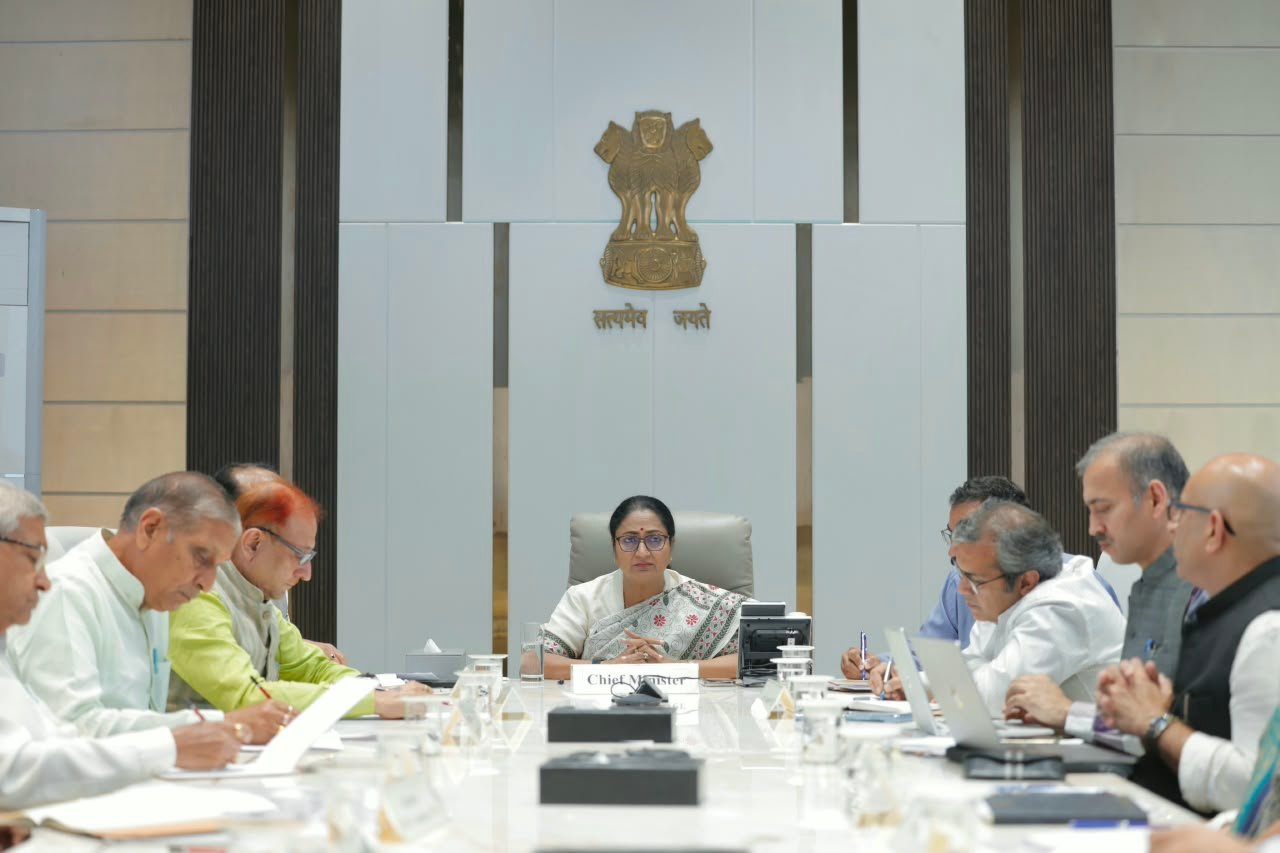
Tatkare was speaking at a meeting convened to review measures being implemented under the Integrated Child Development Services (ICDS) scheme in view of the drought. During the meeting, held through video conferencing, she took stock of problems faced by various districts.
Department Secretary Dr Anupkumar Yadav, Joint Secretary V. R. Thakur, Joint Commissioner Sangeeta Londhe and Under Secretary Sardar were present. Commissioner Madhavi Sardeshmukh made a presentation on the department’s functioning.
Directives to Coordinate Efforts to Prevent Malnutrition
Secretary Dr Anupkumar Yadav said all concerned officials must effectively discharge their responsibilities to prevent an increase in moderate and severe malnutrition among children during drought conditions. He stressed the need for coordinated efforts to ensure that government-provided facilities and services reach every beneficiary.
Women and Child Development Minister Aditi Tatkare said districts where drought had been declared must review their work frequently. In areas facing severe water shortages, officials should coordinate with the District Collector’s office to establish alternative arrangements. Essential facilities should be made available at Anganwadi centres with the assistance of the water supply and health departments.
She also directed officials to collect information about migrant workers’ families and guide parents to ensure continuity of education and nutrition services for their children. Pregnant women must receive uninterrupted services, and their health, along with that of their children, should be monitored and recorded regularly.
Cooperative and private sugar factories have also been directed to submit details of the native villages of sugarcane workers, their family heads and beneficiaries, along with the name and mobile number of the contact officer, to the District Programme Officers.
School dropout rates, migration and child marriages among adolescent girls in drought-affected talukas will be monitored through adolescent girls’ groups and Child Welfare Committees. The department has instructed all agencies to remain alert and ensure that nutrition and healthcare services for mothers and children are not interrupted, and that malnutrition does not become more severe during the drought.
Special Nutritional Diet for Pregnant and Lactating Women
Of the 358 talukas in Maharashtra, 304 have been declared drought-affected. Rainfall was 18.8 per cent below normal during June to September 2026.
In a presentation, Commissioner Madhavi Sardeshmukh explained that special measures were being taken to prevent the drought from affecting nutrition services for mothers and children, particularly in view of the potential increase in crop and employment losses, water scarcity and migration.
The weight and height of every child in the 304 drought-affected talukas will be recorded on the Poshan Tracker by December 2026. Severely malnourished children with health complications will be referred to Nutrition Rehabilitation Centres, while moderately malnourished children will receive community-level management. A Child Nutrition Action Plan has been prepared for implementation until March 2027.
Special emphasis is being placed on providing Amrut Aahar and take-home rations to every pregnant woman and lactating mother in drought-affected areas. Pregnant women will receive iron and folic acid tablets, four antenatal check-ups and necessary healthcare services.
Pregnant women with a body mass index (BMI) below 18.5 will be specially monitored. Plans have been made to provide these women with double the quantity of take-home rations, while institutional deliveries will be prioritised.
Severely and moderately malnourished children will receive additional take-home nutritional food. Every child in the three-to-six-year age group will be provided with a freshly cooked meal at the Anganwadi centre.
The department is also focusing on maintaining adequate stocks of oral rehydration salts (ORS) and zinc at every Anganwadi centre, ensuring complete immunisation of children, making rotavirus vaccines available and supplying clean, boiled drinking water.
To prevent interruptions in the supply of nutritional food, the Women and Child Development, Health, Water Supply and Revenue departments will work jointly at the district level. At the village level, ASHA workers, Auxiliary Nurse Midwives (ANMs) and Anganwadi workers will coordinate their efforts.
Sardeshmukh said alternative temporary arrangements would also be made whenever necessary to ensure that no beneficiary is deprived of nutritional food because of a shortage in supplies.
A recommendation has been made to provide take-home rations and growth monitoring at their destinations to 3,097 migrant children below six years of age. The pending registration of children is scheduled to be completed within the next 30 days. Children who have migrated outside Maharashtra will be followed up through nodal officers in the respective states.
Children of sugarcane cutters and brick-kiln workers will be registered on the migration tracking system or the Poshan Tracker. They will then be promptly re-registered at the nearest Anganwadi centre at their destination.
Anganwadi timings will be determined in accordance with the state’s heat action protocol. On days when heat conditions require special precautions, priority will be given to delivering food to beneficiaries’ homes and ensuring drinking water and heat-resistant roofing at Anganwadi centres.
Reflective roofing arrangements will be prioritised in the 15 districts facing the highest heat risk. Pregnant women working in fields will be identified as a high-risk group and counselled by ASHA workers and ANMs on measures to protect themselves from heat exposure.
Under the ‘Vatsalya Plus’ initiative, special attention is being given to 44 talukas across seven high-risk cotton-growing districts: Chhatrapati Sambhajinagar, Beed, Jalna, Jalgaon, Dhule, Wardha and Yavatmal.
Training is being organised for 11,185 Anganwadi workers under the initiative, while 10,531 ASHA workers and ANMs have already received training.
The department’s planning for 2027-28 will include greater use of millets in climate-resilient nutritional diets, drought-resistant nutrition gardens, strengthening Integrated Child Development Services through mothers’ groups, and counselling on hygiene and balanced nutrition.