Quality of khoya (mawa), use of food colours, old oil and packaging to be inspected
Displaying "Use By Date" on loose sweets made mandatory
Action against adulteration, banned colours and resale of expired food items
Licences, purchase bills and quality-check records will also be scrutinised
Lucknow, October 2026 : To ensure compliance with food safety standards across the making, packaging, storage and sale of sweets and namkeen, the Food Safety and Drug Administration (FSDA), Uttar Pradesh, has prepared detailed guidelines. Under these, food safety officers will have to pay special attention to checking rules related to cleanliness, raw material quality, use of food colours, oil quality, temperature control, packaging and licensing in manufacturing units, sweet shops and namkeen-making establishments.
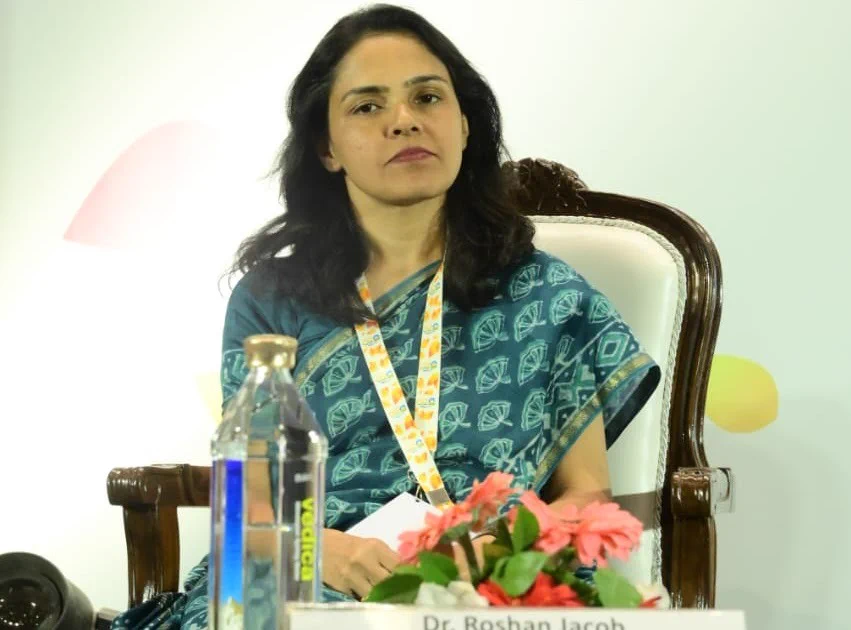
UPFSDA Commissioner Dr Roshan Jacob said the aim of these guidelines is to provide consumers with safe, pure and quality food, and to curb irregularities such as adulteration, banned chemicals and misleading labelling. Food business operators will also have to keep their records in order, from production to sale, and ensure a system for resolving food safety complaints.
Emphasis on cleanliness and clean water
Establishments making sweets and namkeen must take special care of cleanliness and a hygienic environment. Areas must be adequately ventilated. Premises must be kept free of flies, rats and other pests. Wall and floor surfaces should be easy to clean. Cooking utensils should be cleaned regularly. Safe drinking water should be used for washing utensils and for preparing food items. A system for the safe collection and disposal of food waste and used oil will also be necessary.
Quality of raw materials and storage to be checked
The quality of gram flour (besan), refined flour (maida), semolina (suji), sugar, khoya (mawa), chhena, milk, edible oil, vanaspati, dry fruits and spices used in making sweets and namkeen will be checked. Raw materials must be free of mould, insects, foul smell or adulteration. Perishable items such as khoya, chhena, milk and paneer must be stored at the prescribed temperature.
Ban on banned colours and harmful chemicals in sweets
To give sweets and namkeen an attractive colour, only colours permitted in the specified food categories may be used. Their quantity must also be within the prescribed limit. The use of non-food colours such as Rhodamine-B and Metanil Yellow is completely prohibited.
Temperature control essential in sweets made from khoya, chhena and milk
In khoya-based sweets such as barfi, peda, kalakand, mawa roll and gulab jamun, vigilance will be kept on the use of poor-quality khoya and on the use of artificial flavours to hide staleness. Khoya-based sweets must be stored and displayed at the prescribed temperature. Temperature control will also be essential for rasgulla, rasmalai, chamcham and other chhena-based sweets.
Checking moisture and insects in besan, maida and suji
The quality of besan, maida and suji used in making sweets such as besan laddu, Mysore pak, soan papdi, gujiya and balushahi will be checked. Especially in humid weather, there is a greater risk of mould and insect infestation in these. The quality of oil used for frying will also come under scrutiny. The amount of trans fatty acids in other fats must be within the prescribed limit.
Real dry fruits must be used in kaju katli and dry-fruit sweets
Old, spoiled or mouldy cashews, almonds, pistachios and other nuts must not be used. Such nuts may carry the risk of harmful substances such as aflatoxin. The varq (edible foil) used on food items must be pure silver and must not be adulterated with metals harmful to health.
Focus on quality of shrikhand, curd and vegetable-based sweets
Shrikhand, mishti doi and other milk-based products must have proper fermentation, temperature and storage arrangements. They must be protected against gas formation, foul smell or spoilage caused by yeast or mould. For vegetable-based sweets such as gajar halwa, lauki barfi, petha and pumpkin sweets, special attention must be paid to the hygiene of raw materials.
Vigilance on inferior ingredients and banned colours in namkeen
Products such as sev, bhujia, chips and mixture will be monitored for the use of low-quality oil, poor spices or substitute ingredients to cut costs. To make namkeen look more attractive, banned colours cannot be used, nor can the prescribed limits of permitted colours be exceeded. Activities such as refilling expired or recalled namkeen into new packaging and selling it again in the market will be prohibited.
Safe disposal of old edible oil mandatory
Oil used for frying food items will be tested regularly. If the TPC (Total Polar Compounds) in the oil exceeds 25 per cent, it must not be used for food purposes. Therefore, proper records of used oil must be kept and it must be disposed of through collectors authorised or listed under FSSAI's RUCO (Repurpose Used Cooking Oil) system.
Ingredients, allergen and manufacturing date information required on packets
Applicable declarations such as product name, list of ingredients, nutritional information, details of allergens, vegetarian mark, batch number, dates relating to manufacture and expiry or use-by period, and FSSAI licence number must be clearly displayed on packed sweets and namkeen.
"Use By Date" must be displayed on loose sweets too
Special emphasis has been placed on displaying the last date of consumption, i.e. the "Use By Date", in front of sweets kept on open counters in shops. This will give consumers information about the shelf life of the sweets.
Records of licence and purchase bills must be maintained
During inspection by Food Safety Officers, the validity of the establishment's FSSAI licence or registration, and the activities recorded in it, will be matched against the actual business. Food business operators will have to keep safe the purchase bills of besan, maida, sugar, khoya, oil, food colours and other raw materials, lists of suppliers, and batch-related details. As per the applicable provisions, maintaining the guarantee certificate, i.e. Form-E, will also be necessary.
Cleanliness, pest control and complaint redressal will also be checked
Food establishments must have proper arrangements to prevent rats, cockroaches and flies. Where necessary, emphasis has been laid on availing the services of an authorised pest control agency and keeping related records.
In addition, food business operators will have to keep records of complaints received from consumers and develop a proper grievance redressal system to resolve them. To ensure compliance with food safety standards, it is essential to maintain transparency, hygiene and quality throughout the entire process from production to the consumer. This will help prevent the sale of adulterated and unsafe food items and protect the health of consumers.