Taiwan has urged the Trump administration to approve and deliver a delayed $14 billion weapons package, arguing that strengthening its defence capabilities is central to deterring potential Chinese military action. The appeal came after President Donald Trump and Chinese President Xi Jinping held talks in Washington in which Taiwan received limited public attention. US officials have cited defence production backlogs and competing military requirements for the delay.
Washington, Sept 2026 : Taiwan has urged the Trump administration to move quickly on a delayed $14 billion US weapons package, with its representative in Washington saying that maintaining a strong and well-prepared defence capability is essential to deterring potential Chinese aggression.
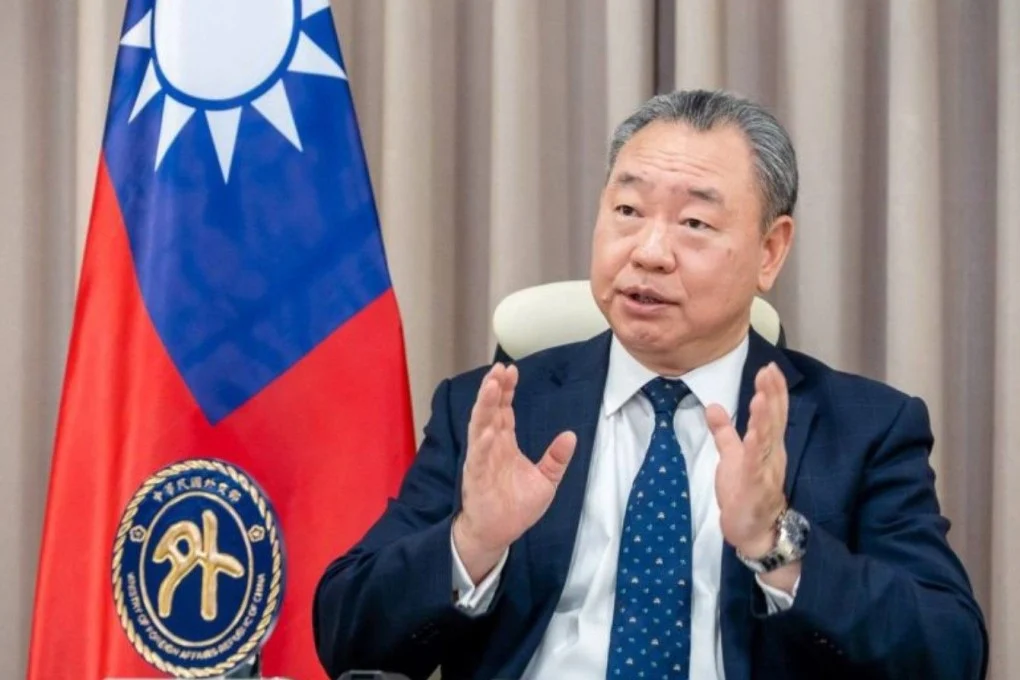
Taiwan representative Alexander Yui made the appeal following the recent Washington summit between US President Donald Trump and Chinese President Xi Jinping. Although Trump said Taiwan was discussed during his talks with Xi, he indicated that the issue did not occupy a significant portion of their meeting.
Yui, speaking on CBS News' Face the Nation on Sunday, noted that Taiwan was not mentioned in the public statements released by Washington and Beijing following the summit. He said the issue was not among the principal areas highlighted in the leaders' accounts of the meeting.
Beijing regards Taiwan as a central issue in its relationship with Washington and opposes US arms sales to the island. Yui, however, said the United States had made clear that its position on Taiwan had not changed.
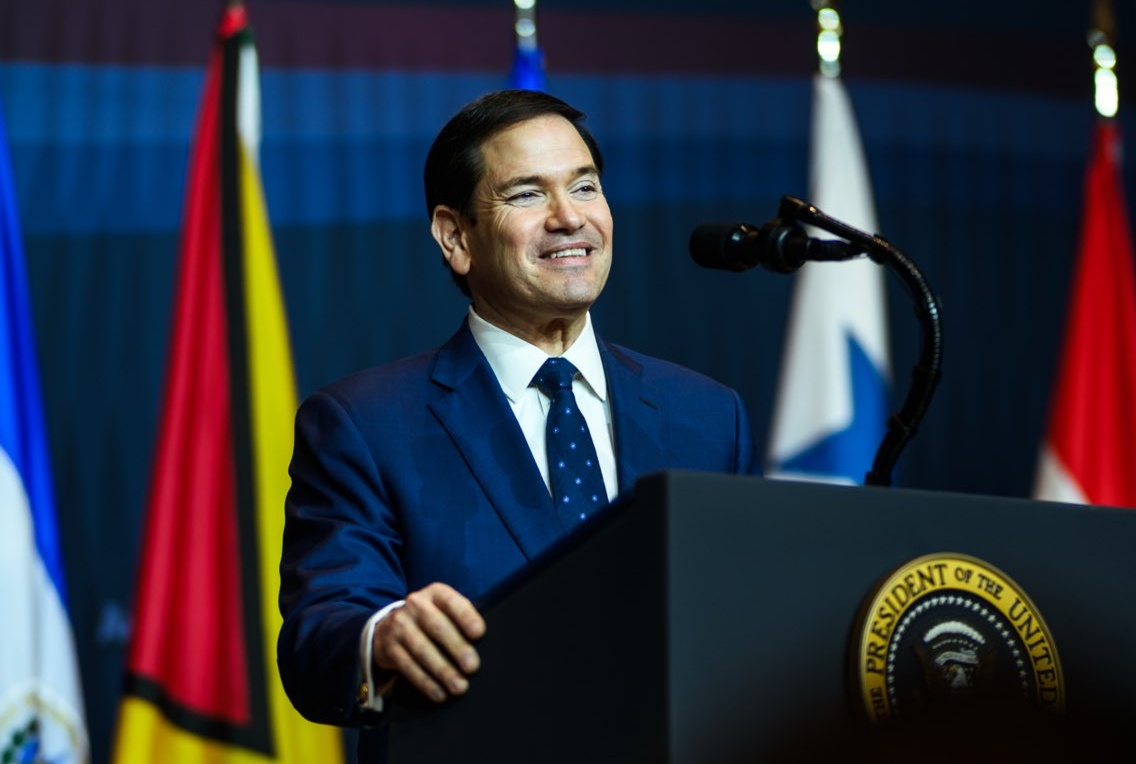
His comments followed a meeting between US Secretary of State Marco Rubio and the foreign ministers of Japan and South Korea ahead of Xi's visit. The three countries reaffirmed their support for peace and stability across the Taiwan Strait and opposition to coercive actions, according to a joint statement cited by Reuters.
The delayed weapons package has become a key concern for Taipei. The proposed $14 billion sale has been awaiting Trump's approval for months. Trump had previously described the package as a potential negotiating tool in his dealings with Beijing, while Taiwan has argued that stronger defence capabilities are intended to prevent conflict rather than provoke it.
Yui said Taiwan's position was based on the principle of "peace through strength", arguing that China's calculations would be influenced by Taiwan's ability to defend itself.
Taiwan has also indicated that it is increasing defence spending and intends to assume a greater share of the financial burden associated with its security. The United States remains the island's principal supplier of military equipment.
"We hope that we can get that weapons in as soon as possible," Yui said during the CBS interview.
The issue has also drawn questions from US lawmakers. Several Republican senators have sought explanations for why more than $1 billion in additional assistance has not yet been delivered to Taiwan.
US Ambassador to the United Nations Mike Waltz defended the administration's handling of the delay in a CNN interview, pointing to broader constraints facing the US defence industrial base. He said there was a significant backlog of weapons orders and that American manufacturers were simultaneously dealing with requirements from Taiwan, European countries and the US military.
Waltz said the Trump administration had approved more arms sales to Taiwan during its first year than the previous administration had approved during its entire term. He did not provide a specific timeline for Trump's approval of the $14 billion package.
Secretary of State Marco Rubio has similarly said that US arms sales must be evaluated against domestic military requirements and available industrial capacity. The administration has therefore presented the delay as part of a wider process of balancing weapons exports with US defence needs and production constraints.
Yui also highlighted Taiwan's economic and technological importance, particularly its role in semiconductor manufacturing. Taiwan is a major producer of advanced chips used in artificial intelligence systems, servers and other high-end technologies, making the island an important partner for the United States and other economies.
Taiwan governs itself and has its own elected government and military, while Beijing claims sovereignty over the island and has not renounced the possible use of force to establish control. The United States does not maintain formal diplomatic relations with Taipei but, under the Taiwan Relations Act, provides defence-related support intended to help Taiwan maintain its self-defence capability.
With the $14 billion package still awaiting approval, Taipei's latest appeal places renewed attention on the balance between Washington's efforts to manage relations with Beijing and its longstanding security commitments toward Taiwan.
(Disclaimer :The content of this article is sourced from a news agency and has not been edited by the Mavericknews30 team.)