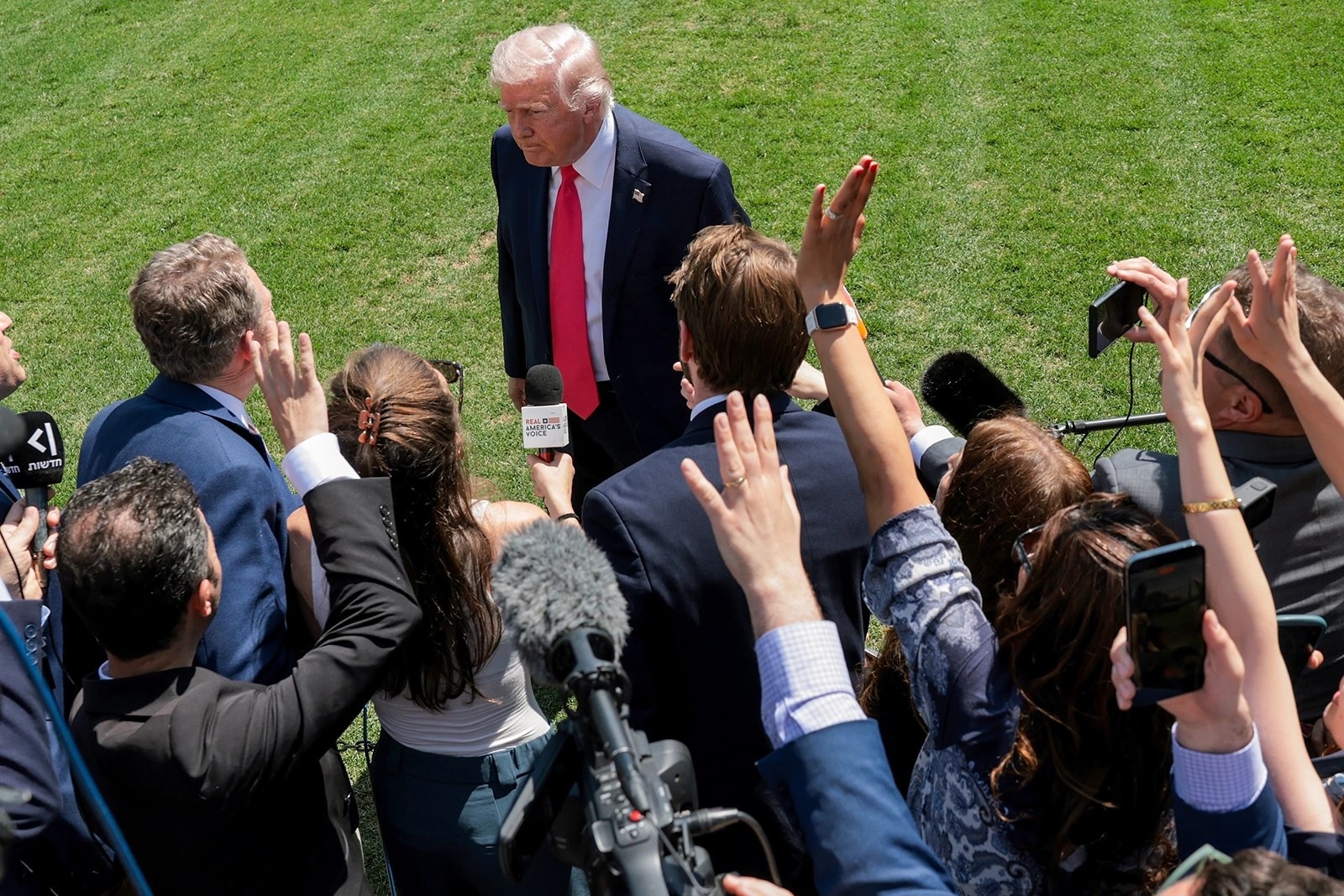
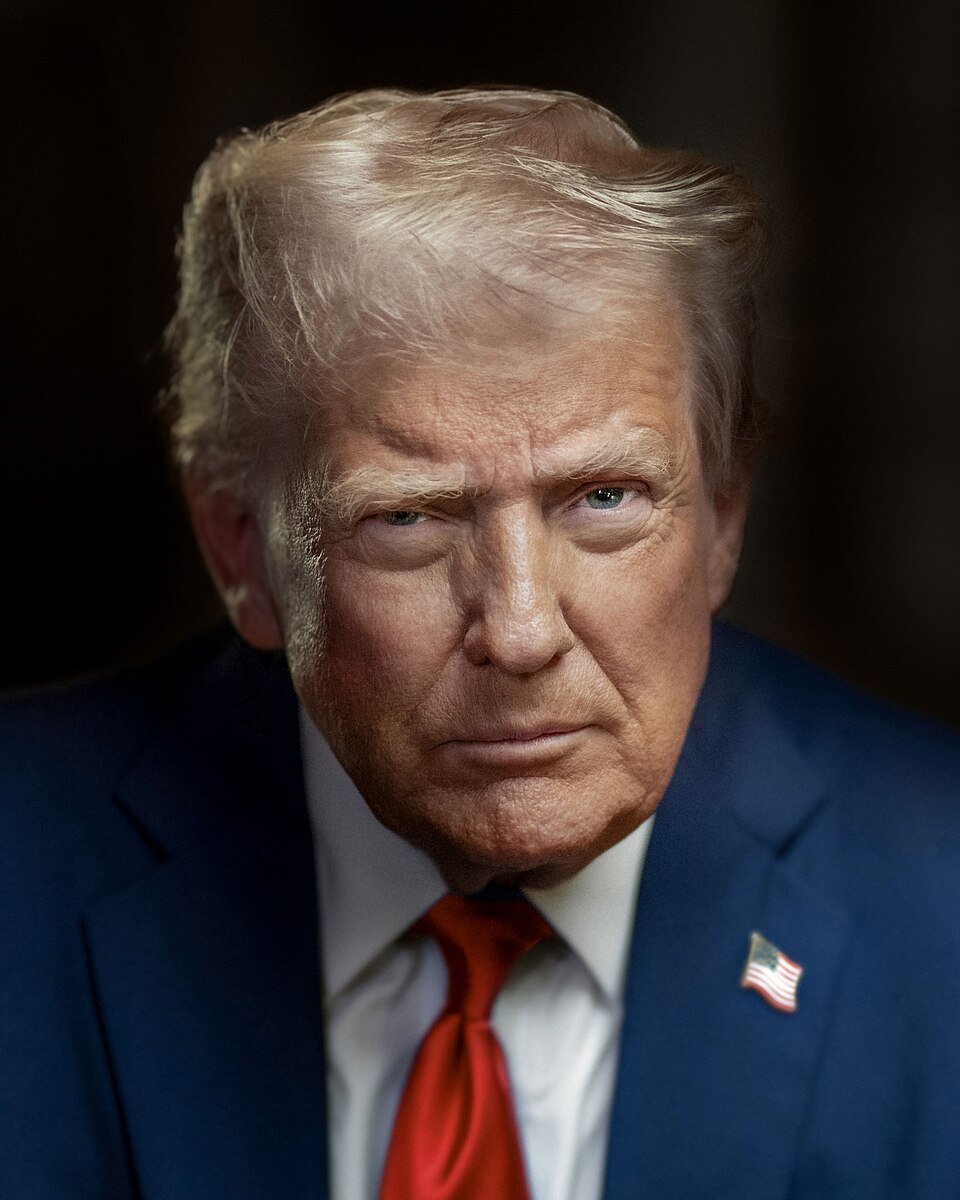
Washington, July 2026 : US President Donald Trump has made Saudi Arabia’s participation in the Abraham Accords and the normalisation of diplomatic relations with Israel a key condition for approving a proposed civil nuclear energy agreement with the Kingdom, the White House announced on Thursday.
Speaking at a press briefing, White House Press Secretary Karoline Leavitt said the proposed agreement would permit cooperation only in the field of civilian nuclear energy and would strictly prohibit Saudi Arabia from enriching nuclear material. She stressed that negotiations between Washington and Riyadh were still ongoing.
Reading from a statement issued by President Trump, Leavitt said the administration supported the peaceful use of nuclear energy but only under clearly defined conditions.
“The civil nuclear deal will involve no enrichment of nuclear material. It pertains solely to non-military uses and will be approved only if Saudi Arabia joins the highly successful Abraham Accords,” she said.
Trump’s latest position introduces a significant political requirement into an agreement that had been publicly discussed a day earlier by US Energy Secretary Chris Wright, signalling that the final approval rests with the President.
“The President is always the final dealmaker,” Leavitt remarked. “He has made it clear that if Saudi Arabia does not join the Abraham Accords, the deal will not move forward.”
The White House indicated that expanding the Abraham Accords remains one of the administration’s major foreign policy objectives. The agreements, first brokered during Trump’s previous term in office, established diplomatic ties between Israel and several Arab nations, including the United Arab Emirates, Bahrain, Morocco and Sudan.
Leavitt said Trump now hopes to persuade additional Gulf and Arab countries to establish formal diplomatic relations with Israel, describing the move as essential to promoting long-term regional stability.
“This is a condition the President has consistently discussed with our Gulf and Arab partners. He wants to see more countries become part of the Abraham Accords, and the proposed agreement with Saudi Arabia is contingent upon that,” she said.
However, the White House stopped short of suggesting that Riyadh had accepted the condition. Leavitt acknowledged that while President Trump had raised the matter during previous discussions with Saudi leaders, she was unaware of any recent conversation with Crown Prince Mohammed bin Salman following Thursday’s announcement.
“The administration will continue those discussions,” she said, while declining to reveal details of the diplomatic engagement.
Saudi Arabia has repeatedly maintained that any move towards normalising relations with Israel depends on meaningful progress toward the establishment of an independent Palestinian state. Asked whether the administration believed Riyadh’s position had changed, Leavitt declined to speculate, saying only that President Trump remained firmly committed to his approach.
She also refused to discuss whether Saudi Arabia’s proposed civilian nuclear facilities would be subject to international inspections, citing the ongoing nature of negotiations.
Leavitt emphasised that the proposed partnership would prioritise American economic interests by giving US companies a leading role in the Kingdom’s expanding nuclear energy sector.
“The agreement, as currently envisioned, will benefit American workers, strengthen US supply chains and create significant opportunities for American industry,” she said. “It is structured to put America first.”
Responding to questions about whether Israeli Prime Minister Benjamin Netanyahu had requested that Saudi participation in the Abraham Accords be linked to the nuclear agreement, Leavitt said she was not aware of any such request.
“Not to my knowledge,” she replied, adding that the condition originated with President Trump himself.
If concluded, the agreement would represent one of the most significant strategic partnerships between Washington and Riyadh in recent years, combining energy cooperation with broader geopolitical objectives in the Middle East. However, Saudi Arabia’s longstanding position on the Palestinian issue suggests that negotiations could remain complex, with diplomacy expected to play a decisive role in determining whether the landmark deal ultimately materialises.
(The content of this article is sourced from a news agency and has not been edited by the Mavericknews30 team.)