WASHINGTON, Aug 2026 : The relationship between U.S. President Donald Trump and Ukrainian President Volodymyr Zelenskyy has undergone a remarkable transformation since their explosive Oval Office confrontation in February 2025. What began as a highly public diplomatic rupture has evolved into a period in which Ukraine is increasingly demonstrating its ability to carry the war deep inside Russian territory.
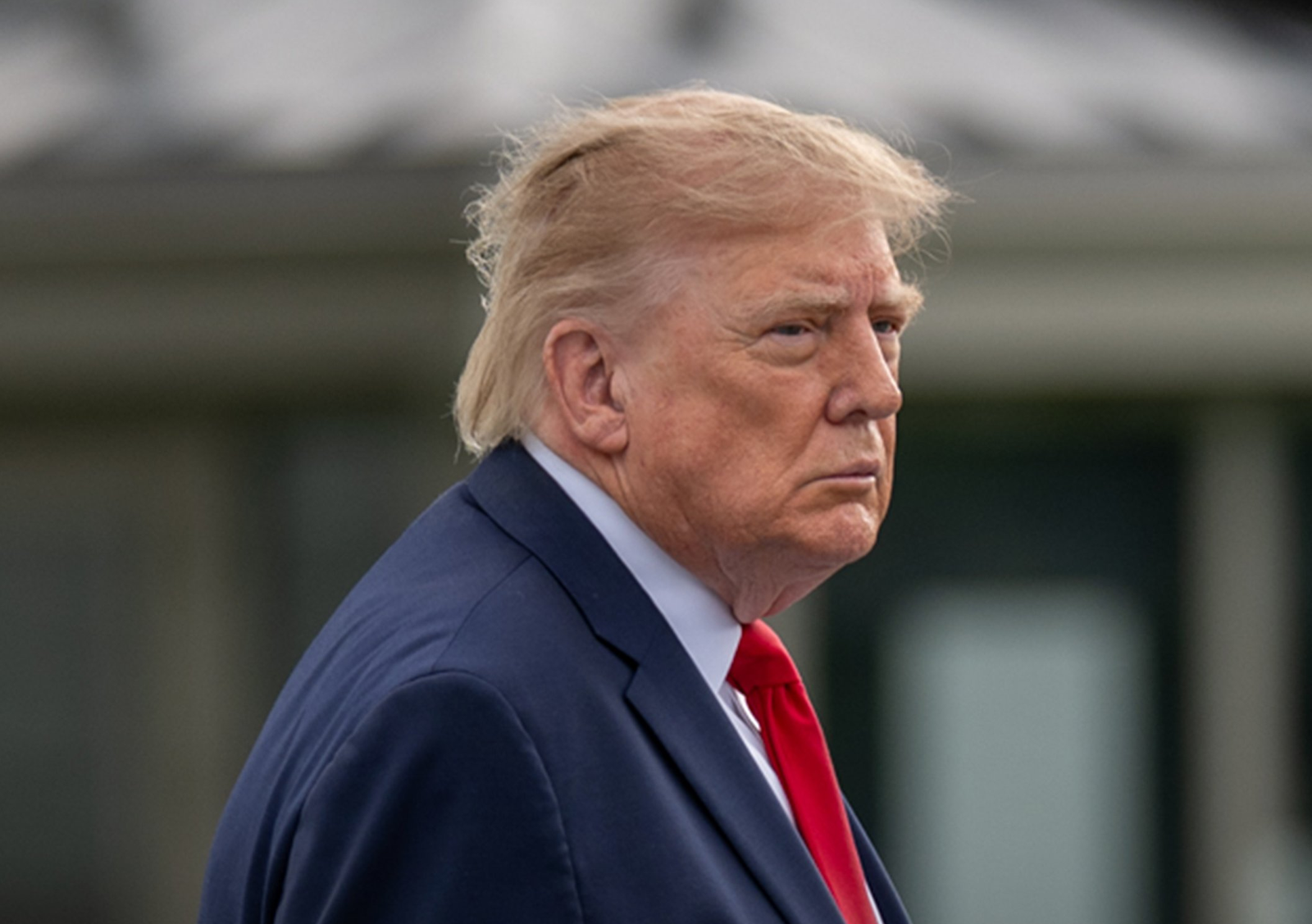
During their February meeting, Trump bluntly told Zelenskyy that Ukraine was "not winning" and had "no cards" to play. The confrontation ended with the Ukrainian delegation being asked to leave the White House, followed by a temporary suspension of U.S. intelligence sharing with Kyiv.
At the time, Russia was making gradual gains on the battlefield, while Trump appeared increasingly inclined toward a settlement that could have required Ukraine to accept significant territorial concessions. His subsequent meeting with Russian President Vladimir Putin in Alaska further raised concerns in Kyiv and European capitals that Washington might pressure Ukraine into an unfavorable peace agreement.
But behind the diplomatic tensions, Ukraine was preparing a strategy that would fundamentally alter perceptions of its military capabilities.
From Defensive War to Deep Strikes
Months after the Oval Office confrontation, Ukrainian drones infiltrated deep into Russia and attacked military aircraft, destroying or damaging Russian bombers worth hundreds of millions of dollars.
The strikes represented a major shift. Ukraine had traditionally concentrated much of its military effort on defending its territory and attacking Russian positions close to the front. Increasingly, however, Kyiv began developing the ability to strike targets hundreds and even thousands of kilometres inside Russia.
The campaign has expanded dramatically this year. According to data from ACLED, an independent conflict monitor, Ukraine launched three times as many long-range strikes in July as it did in January.
The strategy has focused on several key areas: Russian oil infrastructure, defence production facilities, air-defence systems and selected logistics and commercial targets.
The objective is not simply to destroy individual facilities. Ukrainian planners hope sustained attacks will impose economic costs on Moscow, disrupt military production, weaken Russia's air-defence network and demonstrate to ordinary Russians that the war cannot remain geographically distant from their lives.
Oil Infrastructure Becomes a Major Target
Energy infrastructure has emerged as one of Kyiv's most important targets.
Ukraine has attacked refineries and other facilities connected to Russia's oil industry, seeking to reduce Moscow's ability to generate revenue from energy exports while creating domestic fuel shortages.
The campaign gained additional importance as international energy markets were disrupted by conflict elsewhere and the United States eased some restrictions affecting Russian oil supplies.
Ukraine has claimed responsibility for strikes on major Russian energy facilities, including one refinery located more than 2,500 kilometres from Ukrainian territory.
The attacks have contributed to disruptions in Russia's fuel market, while Moscow has been forced to devote additional resources to protecting critical energy infrastructure.
Defence Factories and Air Defences Under Pressure
Ukraine has also targeted Russia's defence-industrial complex.
Factories involved in producing weapons, navigation equipment and other military technologies have been struck repeatedly. Kyiv has increasingly used domestically developed weapons, including long-range missiles, to reach targets that were previously beyond the practical range of Ukrainian forces.
Another major focus has been Russian air-defence systems and radar installations.
Many of these attacks have concentrated on Crimea and other areas under Russian control. Ukrainian commanders say weakening Russian air defences can create corridors for subsequent drone and missile attacks.
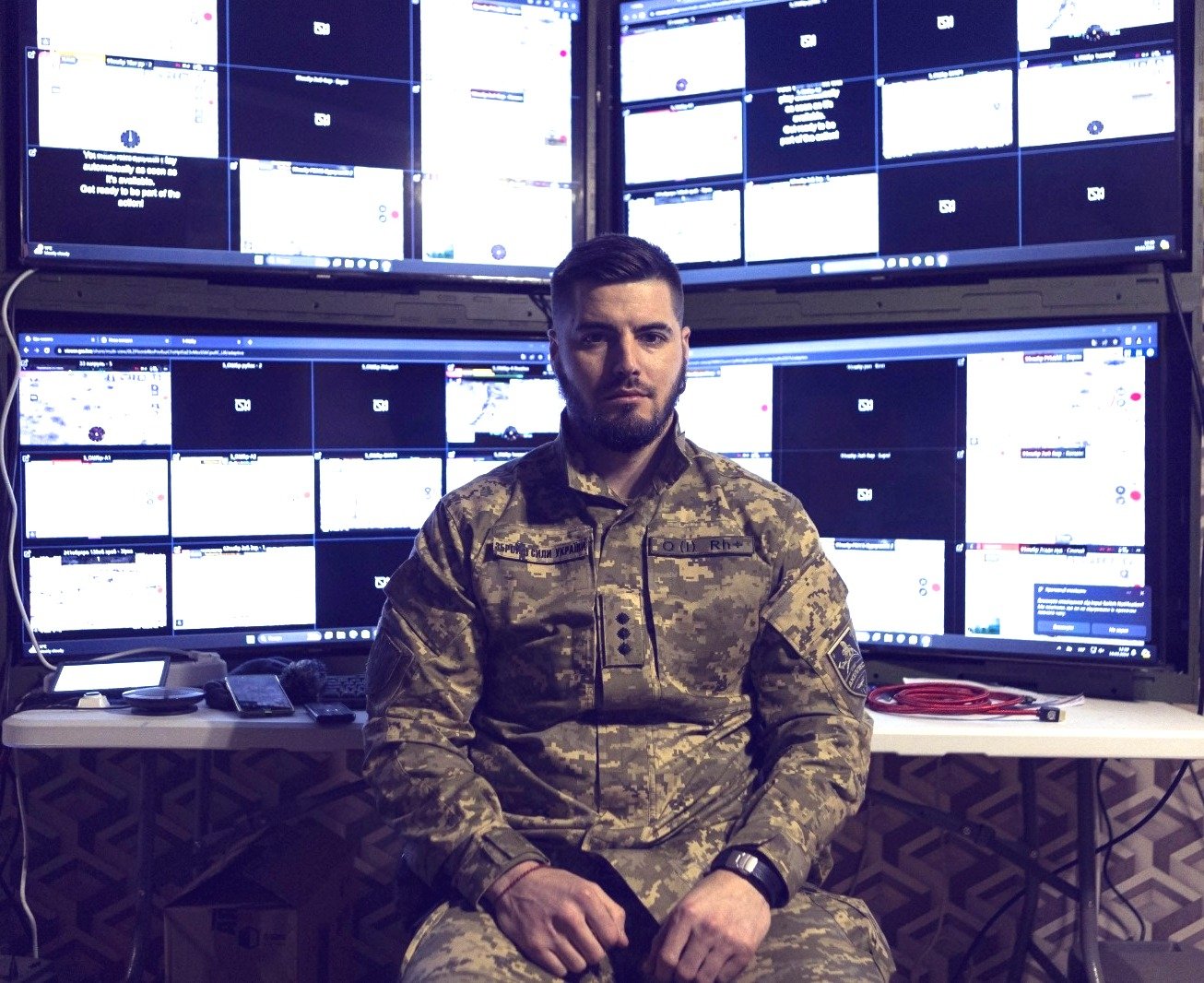
Maj. Robert "Magyar" Brovdi, who commands Ukrainian drone forces, has said attacks in Crimea are intended in part to make the peninsula less useful as a staging area for Russian military operations.
The strategy is based on a simple principle: suppress the air-defence network first, then exploit the gaps with increasingly sophisticated weapons.
Starlink Provides a Critical Advantage
Ukraine's ability to conduct sophisticated drone operations has also been aided by access to Elon Musk's Starlink satellite communications system.
The network allows Ukrainian drone operators to maintain communications and control unmanned systems in real time, including in Russian-held Ukrainian territory.
Russia has been prevented from accessing Starlink on the same terms, giving Ukrainian forces an important technological advantage.
However, that advantage is not guaranteed to last.
According to Ukrainian drone commanders, Russia is developing its own satellite communications capabilities while deploying increasingly sophisticated electronic-warfare and jamming systems designed to interfere with Starlink connectivity.
The contest is therefore evolving beyond conventional weapons into a technological battle involving satellites, electronic warfare, navigation and artificial intelligence.
Ukraine Accelerates Domestic Weapons Production
The confrontation with Trump also delivered a powerful lesson to Kyiv: American military support could not be assumed indefinitely.
A European military official, speaking anonymously, described the February Oval Office confrontation as a "real wake-up call" for Ukraine because it demonstrated how quickly U.S. support could potentially be reduced.
Ukraine responded by accelerating its domestic defence industry.
The country has expanded production of drones, missiles and other weapons while attempting to reduce development timelines that traditionally took years or decades. Some new systems are now being designed and manufactured within months.
The expansion has helped Ukraine conduct attacks at a scale that would previously have been difficult to imagine.
But serious limitations remain.
Ukraine still cannot manufacture enough missiles to meet all of its military requirements. Its domestically produced long-range weapons are also generally less accurate and less stealthy than some Western systems.
As a result, Kyiv frequently relies on large numbers of drones to overwhelm Russian air defences before attempting to penetrate the resulting gaps with more expensive missiles.
Military analyst Jack Watling of London's Royal United Services Institute has estimated that only around 5% to 9% of weapons launched by Ukraine successfully get through Russian air defences.
That makes the strategy expensive, but Ukraine appears willing to absorb those costs if the attacks gradually weaken Russia's ability to sustain the war.
Russia Faces Its Own Escalating Campaign
Ukraine's expanding long-range campaign has not stopped Russia's attacks.
Russian forces have continued launching missiles and drones against Ukrainian cities and infrastructure. The civilian toll remains severe.
According to United Nations figures, 1,396 civilians were killed in Ukraine during the first six months of the year. Russian authorities reported 250 civilian deaths in Russia during the same period.
The imbalance in military capabilities remains significant, particularly in missile production and air power. Ukraine's shortage of U.S.-made Patriot air-defence missiles has also created serious vulnerabilities as Russia intensifies its aerial campaign.
On Monday, a strike that Ukraine said targeted an oil refinery in Russia killed 13 people, according to local officials.
Has Ukraine Changed Washington's View?
Ukraine's strategy appears to have influenced the political narrative surrounding the war in Washington.
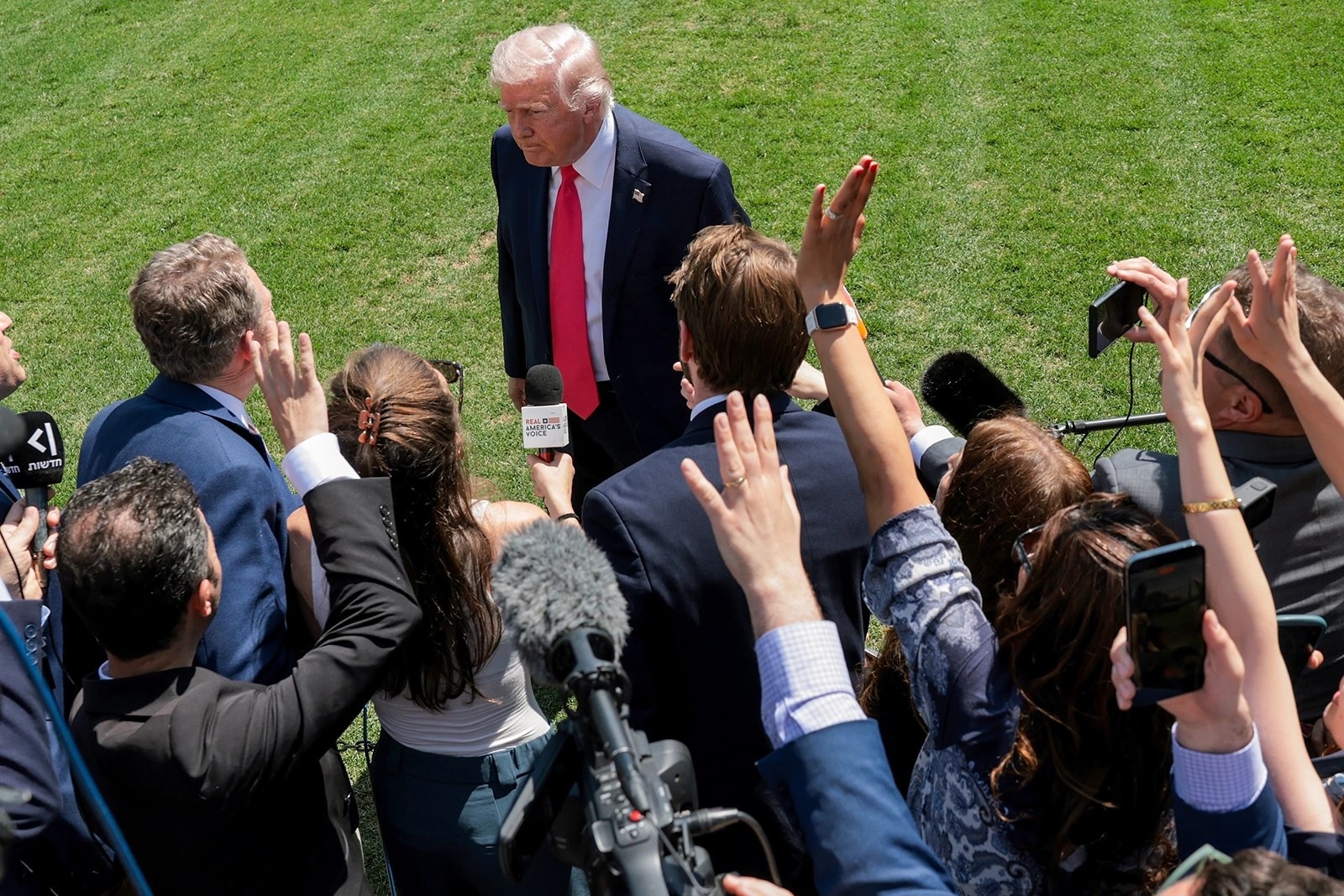
By the time Trump and Zelenskyy met at a NATO summit in July, Trump's language had changed dramatically. He described Zelenskyy as having been "very effective" and said the two leaders had developed a good relationship.
The shift suggests that Ukraine's ability to impose costs on Russia may have strengthened its diplomatic position.
However, it remains uncertain whether the strategy can ultimately force Putin to negotiate.
Watling argues that Ukraine's strikes are intended to undermine the assumption that Russia can simply continue the war indefinitely without facing unbearable costs.
The crucial question is whether Kyiv can inflict enough damage to cross that threshold.
That depends not only on Ukraine's military capabilities but also on continued European financial assistance, Western weapons supplies and the ability of Ukraine's domestic defence industry to scale up production.
The Battlefield Has Expanded Into the Sky
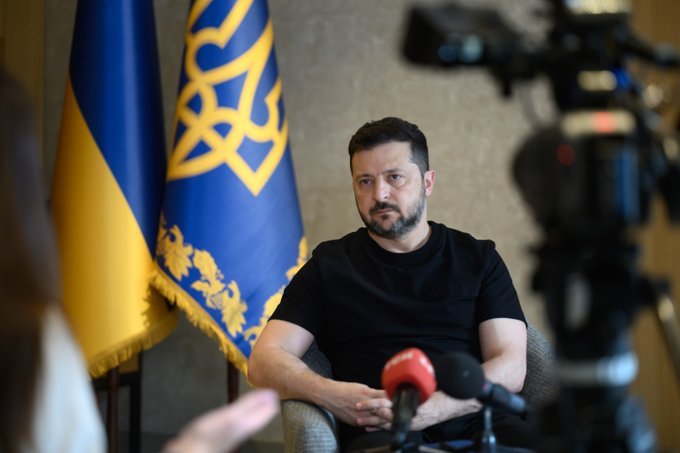
Zelenskyy increasingly portrays the war as one in which Russia is losing the initiative despite its numerical and firepower advantages.
At the NATO summit, he suggested that Ukraine's growing ability to strike Russia had changed the character of the conflict.
That message was illustrated with a moment of humour when Trump asked whether Moscow could serve as a venue for peace negotiations, a proposal previously floated by Putin.
"There are a lot of Ukrainian drones in the air," Zelenskyy replied. "It would be dangerous."
The remark captured the broader transformation of the war.
Ukraine may still face severe battlefield challenges, shortages of missiles and dependence on foreign assistance. Russia retains substantial military resources and continues to launch devastating attacks.
Yet Kyiv has demonstrated that it can increasingly take the fight beyond its own borders, threatening military bases, energy facilities and industrial infrastructure deep inside Russia.
The strategic impact may ultimately extend beyond the physical damage caused by individual strikes. By forcing Moscow to defend a vast territory, diverting resources toward air defence and exposing vulnerabilities within Russia, Ukraine is attempting to change the cost-benefit calculation of continuing the war.
Whether that pressure will eventually bring Putin to the negotiating table remains uncertain. But the transformation is unmistakable: the war is no longer confined to Ukraine's battlefields. Increasingly, it is being fought in the skies over Russia as Kyiv seeks to turn long-range warfare into a tool of both military pressure and diplomatic leverage.
(The content of this article is sourced from a news agency and has not been edited by the Mavericknews30 team.)