Australia Opposition Proposes Migration Cap Linked to Housing Construction in Budget Reply

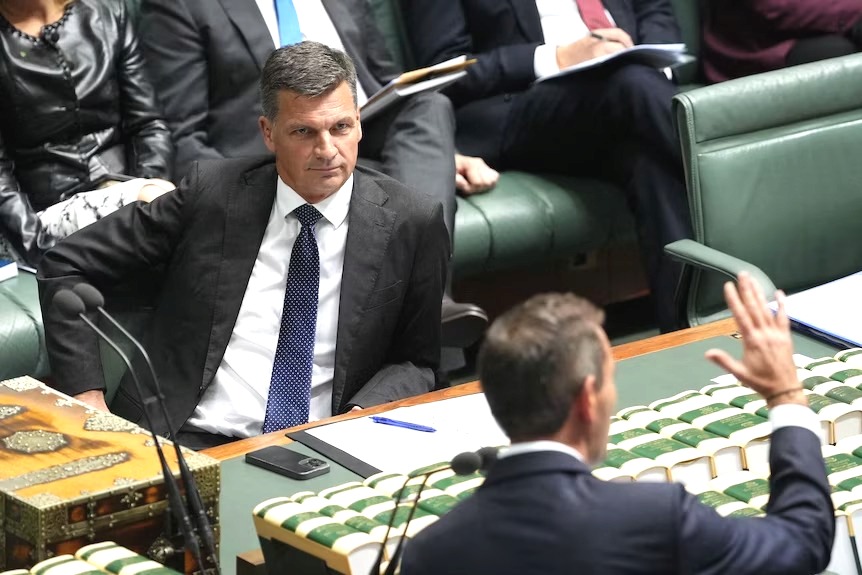
Canberra; May 2026: In his first budget-in-reply speech today (Thursday, 14th May 2026), Opposition Leader Angus Taylor will propose an alternate plan to boost housing supply and ease the tax burden on working Australians. Taylor is expected to pledge a cap on net overseas migration (NOM) to the equivalent of one person per new house built, but the Coalition will not decide the critical detail of which visa types would be cut back until they are in office.
The Coalition wants to limit Australia’s net migration intake to only one person per new home built, but would wait until in government to decide what visa types to slash if elected. The opposition is challenging Labor’s claim that sweeping tax reforms announced in the federal budget will improve generational equity and make it easier for young Australians to purchase a home.
“Australia should only bring in as many people as it can house”. Under the Coalition’s plan, the NOM cap would be decided annually based on the number of new dwellings built. Taylor will also commit in establishing a $5 billion housing infrastructure fund to accelerate the supply of up to 400,000 new homes. In this budget, the Labor Party has announced a similar plan, committing $2 billion for local infrastructure to support what it estimated would be 65,000 extra homes.
Furthermore, Taylor is also expected to pledge slashing the National Construction Code, arguing it would save an estimated $70,000 on the cost of building a new home, as it would no longer be required to meet standards such as a seven-star energy efficiency rating. The Coalition would also abolish Labor’s flagship housing programs, including the Housing Australia Future Fund, Help to Buy, Build to Rent and New Homes Bonus initiatives.
Taylor in the meanwhile have said that ‘mass migration’ running ahead of housing. Currently in Australia, the average dwelling houses 2.6 people, but the Coalition’s policy would allow net migration to grow at a ratio of one person to one home built, giving the construction sector time to ‘catch up’ after historically high NOM in recent years. “This is about mass migration running ahead of the homes, roads, hospitals, schools and services Australia can provide”, he said. The NOM for 2024–25 was 306,000 people, while over the same period, 174,752 homes and apartments were built, meaning there were about 1.7 migrants for every extra dwelling.
In 2023–24, the NOM was 429,000, and 177,683 homes were built, equating to 2.4 migrants per new dwelling. Labor’s budget has forecast net overseas migration will be 295,000 in the current 2025–26 financial year, dropping to 245,000 and then 225,000 the year after. The government is aiming to build 1.2 million homes by the end of the decade, but based on the current completion rate of new dwellings, there will be a 200,000 shortfall.
Australia’s Master Builders Chief Executive Denita Wawn said Australia has failed to build enough homes during the past four decades, suggesting the shortage went beyond recent surges in migration.
“I think it’s fair to say that over at least the last 30 if not 40 years, we have not been building enough homes for our population”, she said. “In part, the reason in more recent times is we have not had enough people to build, and migrants have been a fantastic story for the building and construction industry”.
Former immigration deputy secretary Abul Rizvi said changes in migration numbers in either direction typically sparked community concern about either infrastructure pressure or workforce shortages. “Whenever migration gets about 250,000, we have seen significant complaints about infrastructure, congestion. On the other hand, when net migration gets significantly below 200,000, we see substantial complaints about skill shortages and our ability to support an aging population”, he said.
The opposition has also argued Labor’s proposed changes to the capital gains tax discount (CGT) would hurt younger people trying to get ahead by investing in assets like shares or cryptocurrency. Instead of a 50% tax discount, Labor plans to implement a model where a minimum 30% tax is applied to profit from the sale of an asset minus inflation. The change would apply to investment properties, as well as to other assets such as shares, cryptocurrencies, and exchange-traded funds (ETFs). Shadow Finance Minister Claire Chandler said the CGT changes would hit younger Australians who were using shares as an investments to save for a home.
Treasurer Jim Chalmers yesterday (13th May 2026) while presenting the budget have defended, saying the curtailing the CGT by 50% in 1999 had shifted investors away from the share market and towards property, creating more competition for first homebuyers. “What we’re trying to fix here is this big distortion”, he said.
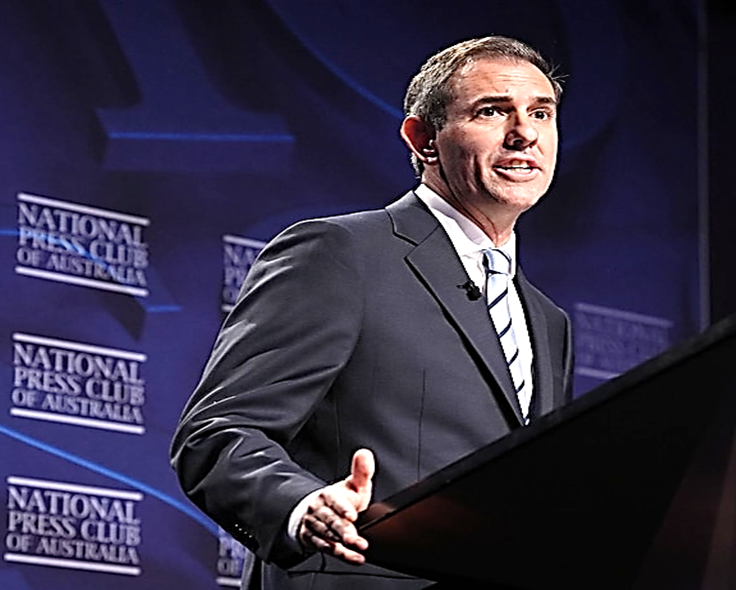
Chalmers said the CGT changes, along with reining in negative gearing and imposing a minimum tax on discretionary trusts, would make the system fairer for young workers who typically do not access the generous investment settings. An extra 75,000 Australians would be able to buy their own home in the next decade as a result of Labor’s proposed changes to negative gearing and the CGT discount, according to Treasury.
H&R Block Australia’s director of tax communications, Mark Chapman, said the number of young people wanting to buy a house was ‘enormous’ compared to those currently benefiting from the CGT discount on shares and other assets. “Very few people have the knowledge and resources to get involved in that type of investing, comparatively”, he said.
But Chapman in his budget speech have said those who did would likely experience a “detrimental” impact on their tax situation. “Particularly for crypto investors, for example, they might buy and sell within two years and at the moment pay tax on only half the profit, but under the indexation model in that short time they would be effectively paying tax on the full gain”, while further adding, that the new tax changes proposed by the government were ‘very complex’ and advised Australians with investments to seek advice when more details were finalised. “It’ll take tax advisers time to get their head around this, so people should wait until the draft legislation at least before they take action or advice”, he said.
Team Maverick.





Trump Declares Strait of Hormuz Reopened Under US Protection, Imposes Full Blockade on Iranian Shipping
Washington, July 2026 : US President Donald Trump on Tuesday announced that the Strait of …

Trump Declares Strait of Hormuz Reopened Under US Protection, Imposes Full Blockade on Iranian Shipping
Washington, July 2026 : US President Donald Trump on Tuesday announced that the Strait …