UN Has Flagged The Deepening Afghanistan Crisis As Returnees Surge, Drought And Aid Cuts Strains Economy.

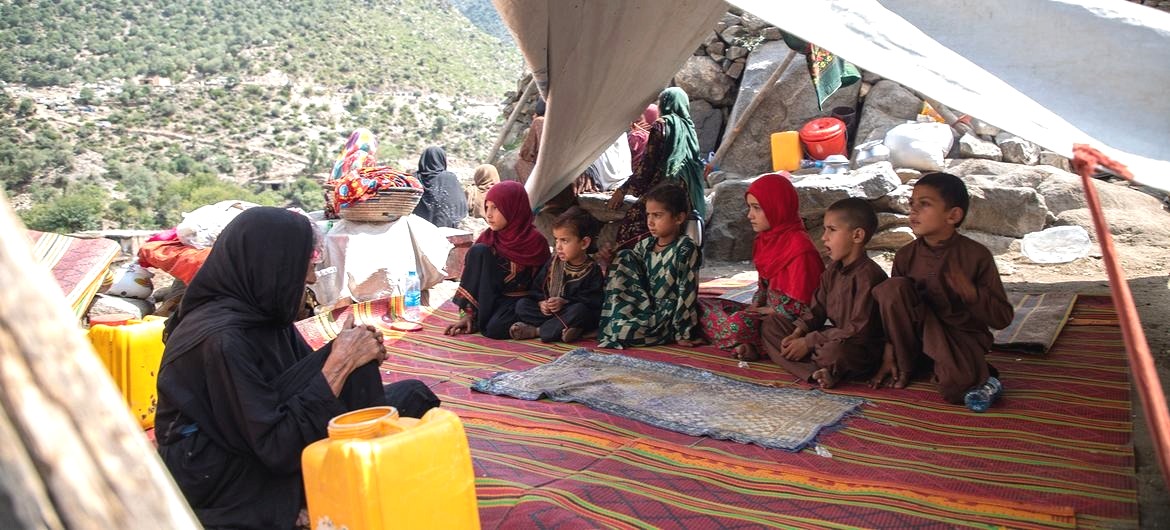
Geneva; May 2026: Afghanistan’s humanitarian and economic crisis is deepening despite modest economic growth, with nearly 03 in 04 people unable to meet basic needs, the UN Development Programme (UNDP) said yesterday (Wednesday, 13th May 2026). Estimates indicate that around 28 million people in Afghanistan were living in poverty in 2025, with the situation compounded by mass population returns, worsening drought and shrinking international aid.
While Afghanistan recorded a second consecutive year of economic growth, real GDP expanded by just 1.9% in 2025, down from 2.3% the previous year. Population growth, however, reached 6.5%, resulting in an estimated 2.1% decline in real GDP per capita.
UNDP’s report, Afghanistan Socioeconomic Review, found that the share of Afghans facing subsistence insecurity remained largely unchanged, but an additional 1.4 million people were pushed into hardship following the return of 2.9 million Afghans during 2025. Millions of families continue struggling to access essentials, including water, food, healthcare, housing, heating and clothing. More than 80% of households are in debt, while nearly three quarters rely on negative coping strategies to manage getting through the day. “Taking stock of Afghanistan’s socioeconomic reality, this year’s report reveals a country under growing strain”, said Kanni Wignaraja, UNDP Regional Director for Asia and the Pacific.
The scale of returns has added further pressure. Nearly 05 million Afghans have returned to the country since 2023, many arriving in communities already facing severe economic hardship. According to UNDP, 92% of recent returnees reported being unable to secure necessities for life, compared with 74% nationally. In provinces hosting the largest numbers of returnees, only 03% of people have formal employment, while 78% rely on casual day labour.
The report also highlights worsening climate conditions, with drought affecting 64% of the country last year. Access to adequate drinking water fell sharply, dropping to 44% from 59% in 2024. At the same time, continuing restrictions on women and girls are further weakening Afghanistan’s economy and labour force. Nearly 100 decrees issued by the Taliban defacto authorities since 2021 remain in force, limiting women’s access to employment, education and freedom of movement.
Afghanistan’s trade deficit also widened to a record $11.3 billion in 2025, equivalent to roughly 60% of nominal GDP, driven by rising imports and stagnant exports. Declining international assistance is further compounding the crisis. Total international aid to Afghanistan fell by 16.5% in 2025, even as needs continued to rise. More than 440 clinics were forced to close or reduce services because of funding shortages, increasing the proportion of people unable to access healthcare from 16% in 2024 to 23% in 2025.
“Across Afghanistan, communities need more than short-term relief. They need a pathway to progress”, said Stephen Rodriques, UNDP Resident Representative in Afghanistan. “Investing in jobs, services and local markets will help boost household economies and will be essential to give people a real chance to rebuild their lives and regain control over their future”, he added further.
As discussed, Taliban defacto authorities have issued more than 100 decrees, restricting women’s access to basic human rights – yet as we have reported on 18th March this year (2026), UN Women’s are steadfast committed in serving the Afghan Women’s. Susan Fergusson had reiterated, “despite the restrictions on women and girls and the current conflicts…no matter what, UN Women is staying and delivering in Afghanistan”. In 2025 alone, UN Women helped safeguard access to lifesaving services for more than 350,000 women and girls and supported nearly 200 women-led civil society organisations.
Susan Ferguson emphasised the impact of Decree No. 12 issued by the Taliban earlier this year, which formally removes equality between men and women before the law and authorises violence against women by allowing husbands to carry out punishments, including physical violence, in the home.
“We call on the de facto authorities to ensure that laws and policies protect the rights of women and girls in line with Afghanistan’s international human rights obligations”, the UN Women country representative said, alongside flagging the international community of “normalisation”. She had voiced, “When we start to accept this as normal, we stop believing it can change, but change is still possible, but only if the world continues to stand with Afghan women”.
Team Maverick.

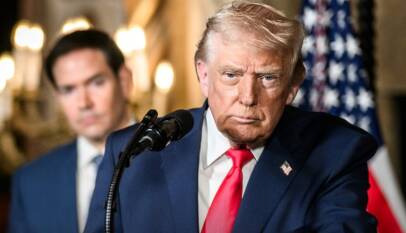
Trump Declares Strait of Hormuz Reopened Under US Protection, Imposes Full Blockade on Iranian Shipping
Washington, July 2026 : US President Donald Trump on Tuesday announced that the Strait of …
Trump Declares Strait of Hormuz Reopened Under US Protection, Imposes Full Blockade on Iranian Shipping
Washington, July 2026 : US President Donald Trump on Tuesday announced that the Strait …