Coconut Water Contamination: A Growing Concern

By Shalini Vohra
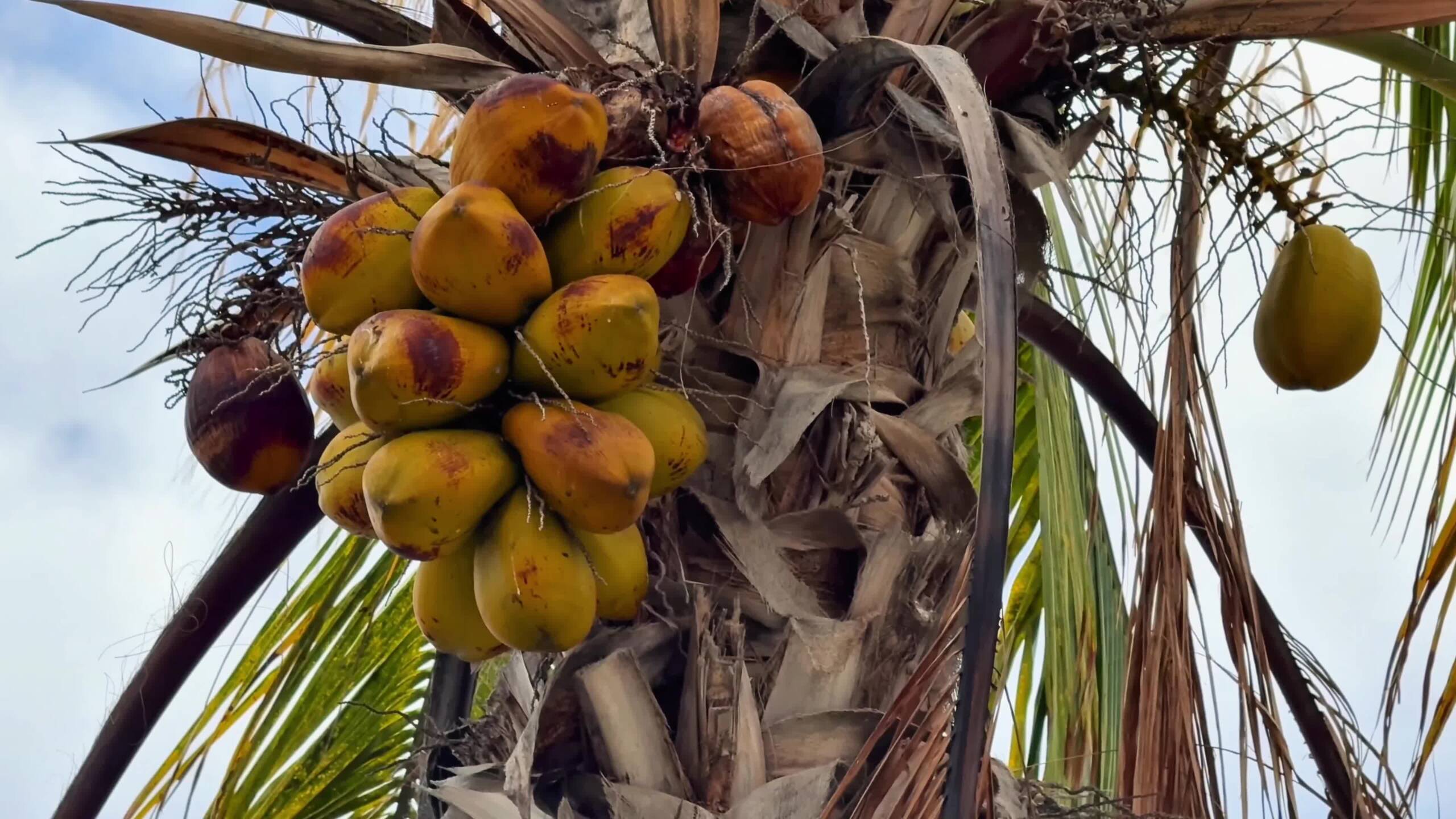
Hyderabad, Sept 2025 : Coconut water has long been celebrated as a natural, refreshing, and nutrient-rich drink, often considered a healthier alternative to carbonated beverages and artificial juices. Its hydrating properties, electrolytes, and low-calorie content have made it immensely popular in India and worldwide. However, a growing concern has emerged—coconut water contamination. Whether sold fresh by street vendors or in packaged form, the risk of microbial contamination and adulteration raises questions about its safety for regular consumption.
One of the main causes of contamination is poor handling and storage. Tender coconuts, when opened in unhygienic conditions, are easily exposed to environmental pollutants, dust, and pathogens. Street vendors often use unsanitized knives and tools, and some even store coconuts in dirty water, increasing the risk of contamination before the drink reaches consumers.
Packaged coconut water is not immune either. With rising demand, some manufacturers dilute it with untreated water, reducing its nutritional value and introducing potential contaminants like bacteria, harmful minerals, or even heavy metals. Preservatives, artificial flavors, and sweeteners are also sometimes added to prolong shelf life, undermining the natural benefits of the drink.
Studies across India have detected traces of E. coli and other harmful microorganisms in street-sold coconut water. Consumption of contaminated water can cause diarrhea, vomiting, stomach infections, and in severe cases, food poisoning. Children, the elderly, and immunocompromised individuals are particularly vulnerable. Even packaged varieties can be compromised due to improper sealing, heat exposure, or expired stock.
Coconut water is highly perishable and spoils quickly if unrefrigerated. Many small vendors lack cold storage, leading to stale or fermented water. Sometimes contamination cannot be detected by taste or smell, making it especially dangerous.
A major factor in this issue is the lack of regulatory oversight. While large beverage companies follow strict safety norms, smaller vendors—who constitute a large part of the market—often operate without monitoring. This lack of standardization creates gaps in consumer safety.
Addressing the Problem
Consumer awareness is key. Buyers should choose trusted vendors, check seals and expiry dates when purchasing packaged coconut water, and prefer hygienic outlets. Vendors should receive training on cleanliness, proper handling, and cold storage facilities to reduce contamination risks.
From a policy perspective, stricter enforcement of food safety regulations is necessary. Regular inspections by authorities, awareness campaigns, and support for small vendors in infrastructure and hygiene practices can help ensure safety.
Consumers can also take precautions, such as drinking directly from the coconut instead of using straws or glasses, refrigerating coconut water at home, and consuming it within hours of extraction. Opting for reputable packaged brands, although costlier, can further reduce health risks.
In conclusion, coconut water remains one of the healthiest natural beverages, but contamination cannot be ignored. It is the shared responsibility of manufacturers, vendors, regulators, and consumers to ensure its safety. With clean handling practices, strict regulation, and informed consumers, coconut water can continue to be the pure, refreshing drink it is meant to be—a source of health and vitality, not illness.






Mushrooms Canada Rejects US Subsidy Findings Against Canadian Growers
Ottawa; May 2026: Mushrooms Canada, which is the national trade association representing C…
Mushrooms Canada Rejects US Subsidy Findings Against Canadian Growers
Ottawa; May 2026: Mushrooms Canada, which is the national trade association representing Canadian mushroom …