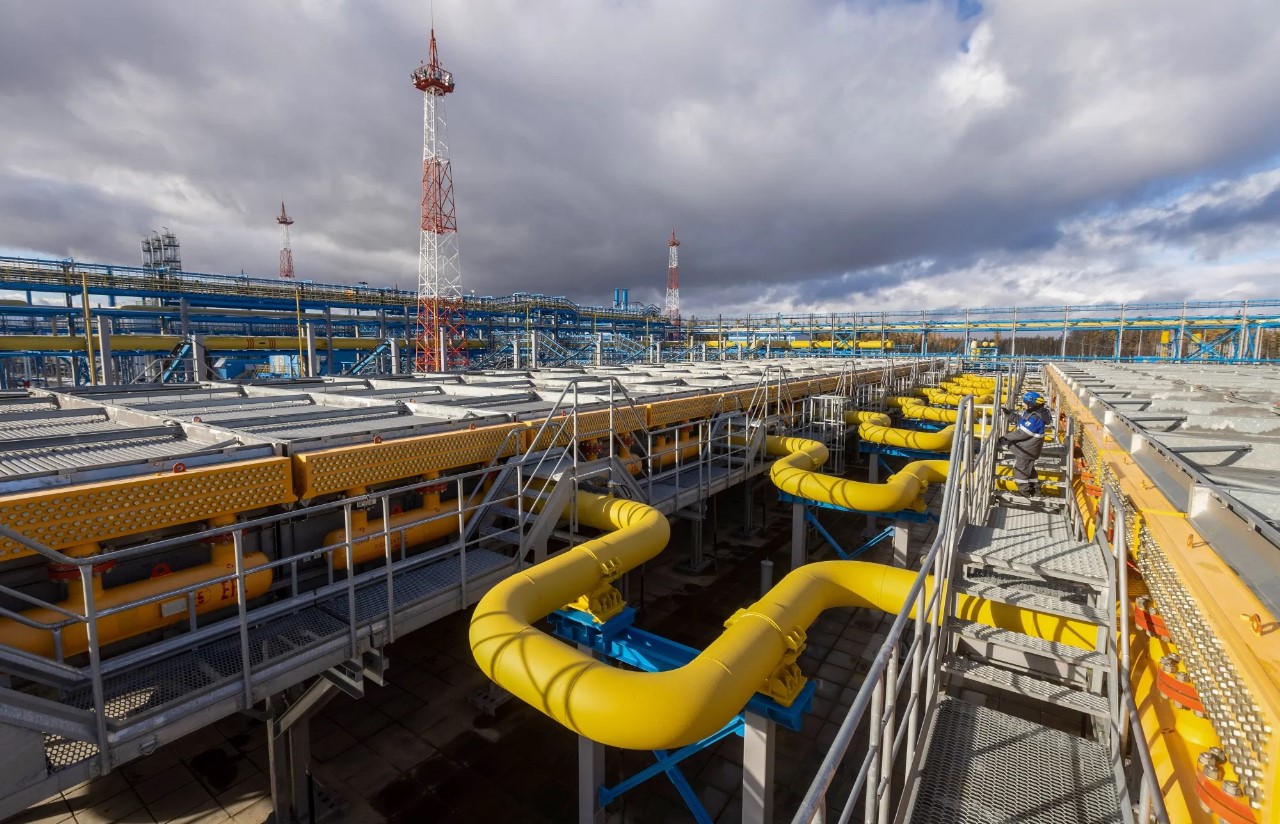
European Union approving a new package of sanctions against Indian and Chinese Companies for importing Russian Oil.

Sept 2025 : The European Union is weighing sanctions on Indian and Chinese companies that are enabling Russia’s oil trade as part of an upcoming package of fresh restrictions, according to people familiar with the matter. The EU is currently deliberating its 19th. sanctions package against Russia, which could target about half a dozen Russian banks and energy companies, as well as Russia’s payment and credit card systems, crypto exchanges and further restrictions on the country’s oil trade.
US President Donald Trump said over the weekend that he’s prepared to move ahead with “major” sanctions on Russian oil if European nations do the same. The penalties would target the energy trade that’s crucial to financing President Vladimir Putin’s war on Ukraine, particularly buyers from China and India. The US push puts the onus on Europe, which had delayed phasing out Russian gas until after 2027, and has given landlocked countries like Hungary and Slovakia temporary exemptions from its Russian oil sanctions. Still, crude from Moscow slumped to around 03% last year from 27% of EU imports before the war after sanctions took effect from 2022.
The US’s own proposal, which was pitched to Group of Seven members last week, includes tariffs of as much as 100% on China and India. It would also target Russian oil companies and the networks that enable Moscow to move crude and profit from the trade. G-7 officials are working to draft measures in the coming weeks, according to people familiar with the matter, who spoke on the condition of anonymity. The US push would essentially aim to get tough on Russia, something Ukraine and Europe have asked for while aligning the EU against Beijing. Brussels and European capitals may not be keen on raising tensions with China given the bloc’s reliance on the Asian nation’s vast market, especially after being hit with tariffs on the US market. The EU is also aiming to finalise a trade deal with India.
The EU would also have to figure out a way to overcome resistance from some of its own member states, particularly Hungary and Slovakia, who have been voicing concerns about the costs of shifting to alternative supplies of oil. The EU could consider various measures to address such worries when the exemption for the nations has been lifted, according to another person familiar with the matter. The EU agreed earlier this year to prohibit imports of petroleum products made from Russian crude. That would affect some companies in India and Turkey, which import large quantities of Russian oil and export diesel and other fuels to the bloc.
Trump has so far refrained from imposing direct sanctions on Russia, despite skating through several self-imposed deadlines and Putin’s continued reluctance to negotiate an end to the war. Trump has, however, doubled tariffs on India to 50% over its continued purchase of Russian oil.
The Trump missive puts the US president’s ideological ally, Viktor Orban, in a particularly tough spot. The Hungarian leader has doubled down on Russian energy imports since Moscow’s full-scale invasion of Ukraine, and has enjoyed a temporary EU exemption specifically for oil imports.
Hungary has also gone all-in on Chinese investments, particularly in the car and battery sector, which would make Orban’s backing for new EU tariffs on Beijing a tall ask. The Hungarian government is holding out hope that nothing will come of Trump’s threats, given that other European countries may also not be keen on imposing tariffs on China and the US may not go at it alone, according to a senior Hungarian official, who asked not be name discussing internal deliberations. At the same, there are signs that Hungary which is also the gateway to Slovakia’s Russian energy imports is exploring ways to pivot away from Russia at a time when Ukraine’s attack on Russia’s oil infrastructure is already risking supply security. Hungary last week has signed a 10 year’s deal with Shell Plc for 2 billion cubic meters of natural gas, a largely symbolic volume given Hungary’s consumption is multiples of that annually. Orban also traveled to the United Arab Emirates and Qatar on Friday to discuss energy.
The Hungarian official said past diversification efforts, including a deal for gas imports from Azerbaijan and oil imports via a pipeline through Croatia, are coming in handy now. Whether Orban will have the time to unwind himself from his Russian reliance is a key question, according to Andras Deak, a researcher at the National Public Service University in Budapest. He drew parallels with the US decision early in the Russia-Ukraine war to slap sanctions on neighboring Serbia’s Russian-owned NIS refinery, even as Belgrade has since managed to secure multiple last-minutes reprieves from any penalties. Similar sanctions on Hungarian importers of Russian energy, such as Mol Nyrt. which also owns Slovakia’s sole refinery, could cripple Hungary, he said.
“The US can really give a check-mate to Orban on Russian energy, if it wants do. The question is whether the Trump-Orban relationship offers actual protection to Hungary if push comes to shove”, Deak said.
Team Maverick





Team Special Olympics Bharat Accorded Grand Send-Off Ahead of Special Olympics Unified Football World Cup 2026
Faridabad July 2026 : Team Special Olympics Bharat was accorded a warm send-off at Manav R…

Team Special Olympics Bharat Accorded Grand Send-Off Ahead of Special Olympics Unified Football World Cup 2026
Faridabad July 2026 : Team Special Olympics Bharat was accorded a warm send-off at …