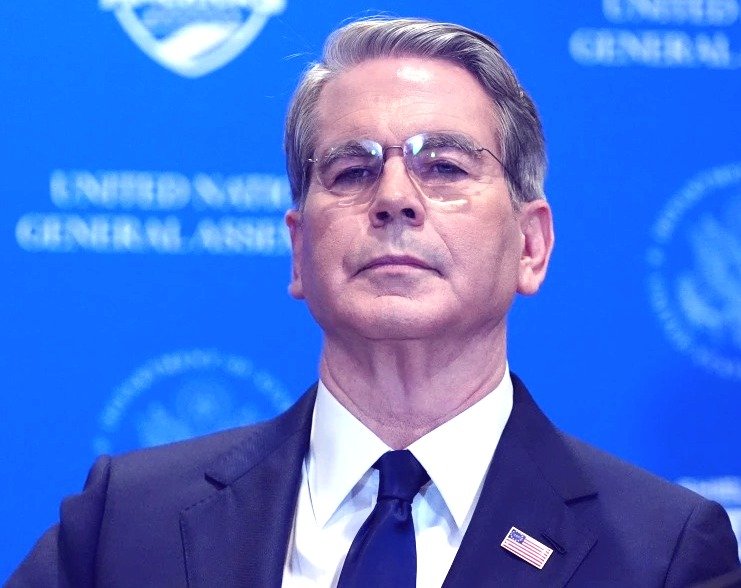
New Delhi, Aug 2026 : As tensions continue to affect maritime traffic in the Middle East, the Indian government has stepped up measures to safeguard seafarers and merchant vessels operating in high-risk waters. Minister of Ports, Shipping and Waterways Sarbananda Sonowal informed Parliament on Friday that 4,052 Indian seafarers have been repatriated from the Gulf region, while 62 India-bound vessels successfully transited the Strait of Hormuz as of August 3.
Of the 62 vessels, 23 were Indian-flagged ships, while 39 were operating under foreign flags. The figures underline the scale of India's efforts to ensure the safe movement of its maritime personnel and commercial shipping amid heightened security concerns in the region.
In a written reply to the Lok Sabha, Sonowal said the Directorate General of Maritime Administration (DGMA) has been continuously updating its security advisories in response to the evolving maritime situation. The objective is to strengthen the safety and security of Indian seafarers and vessels operating in or around conflict-affected areas.
Following renewed attacks on merchant vessels, the Directorate General of Shipping has directed shipping companies to implement comprehensive security measures in accordance with the International Ship and Port Facility Security (ISPS) Code. It has also advised against deploying Indian seafarers on voyages transiting through the Gulf region, considering the prevailing risks.
The government has simultaneously issued specific advisories for vessels operating in other sensitive maritime zones. Indian and foreign-flagged vessels carrying Indian seafarers in the Black Sea have been advised to exercise enhanced caution, undertake voyage-specific security assessments and strictly follow security instructions. They have also been directed to report any security incident immediately.
Similarly, vessels operating in the Bab-el-Mandeb Strait, the southern Red Sea and waters adjoining Yemen have been instructed to maintain maximum vigilance. Shipowners and masters have been asked to continuously monitor security developments and introduce additional risk-mitigation measures wherever necessary.
Since the security situation around the Strait of Hormuz intensified, the government has introduced several mechanisms to monitor Indian vessels and seafarers. A dedicated 24x7 control room has been established, while authorities maintain a live database containing information on vessels and their crews.
A Situation Report, or SITREP, is also issued every 24 hours to track vessel movements, the location of Indian seafarers, security incidents and casualties. This system allows authorities to respond quickly when emergencies arise.
The maritime administration has additionally developed an integrated digital platform, the eNavik Portal, with dedicated round-the-clock modules for marine casualty reporting, crisis management and seafarer grievance redressal. The platform enables digital reporting of incidents, automatically routes information to the relevant authorities and facilitates real-time monitoring of response measures.
Sonowal said maritime security developments are being monitored continuously through the DG Communication Centre, which functions as a central maritime distress and coordination mechanism. The centre operates around the clock in coordination with the Indian Navy, flag States, coastal authorities, shipowners, ship managers, Recruitment and Placement Services Licence agencies and other stakeholders.
Vessels operating in the affected region are required to submit information through an online Ship Reporting Form, enabling authorities to maintain an updated database of vessels and crew members.
The government has also strengthened coordination with other agencies and countries. The Ministry of Ports, Shipping and Waterways and the DGMA are working with the Ministry of External Affairs, Indian Navy and Indian missions abroad to address emerging maritime security challenges.
International cooperation is also being undertaken for the evacuation of stranded seafarers through a joint mechanism involving the International Maritime Organization, United Kingdom Maritime Trade Operations, the MICA Center and coastal States.
Beyond evacuation and security arrangements, the government has also focused on the welfare of affected seafarers and their families. Authorities are maintaining regular contact with families of seafarers caught up in difficult circumstances and extending assistance wherever required.
Sonowal said compensation is provided in cases involving fatalities. Immediate financial assistance of Rs 10 lakh is released through the Seafarers Welfare Fund Society in fatality cases.
The government's response reflects the growing importance of maritime security amid disruptions in critical shipping corridors. The Strait of Hormuz, Bab-el-Mandeb and Red Sea remain strategically important routes for global trade and energy supplies. By combining real-time monitoring, security advisories, evacuation mechanisms, digital reporting systems and international coordination, India is seeking to minimise risks to its seafarers while ensuring continuity of maritime trade.
The repatriation of more than 4,000 seafarers and the safe transit of dozens of India-bound vessels demonstrate the scale of the ongoing effort to protect Indian maritime interests amid the volatile regional security environment.
(The content of this article is sourced from a news agency and has not been edited by the Mavericknews30 team.)