Washington, Aug 2026 : Former US Joint Chiefs of Staff Chairman Admiral Mike Mullen has warned that prolonged military deployments are placing growing pressure on American service members, ships and their families, potentially compromising the US military’s future readiness.
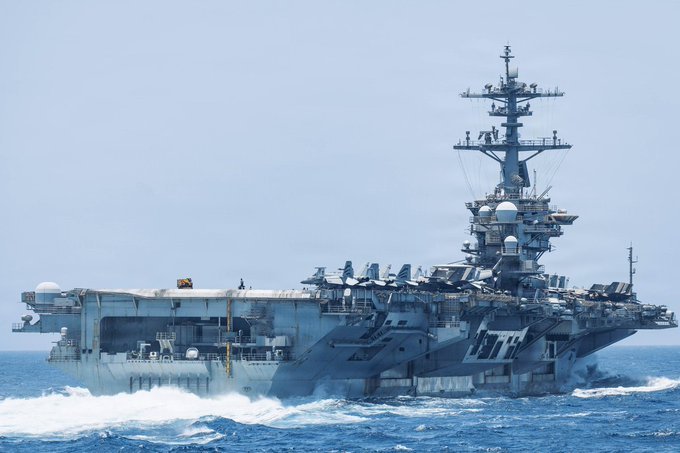
Mullen’s comments come amid concerns over the extended deployment of the USS Abraham Lincoln, which has been operating at sea during the Iran war and supporting US military operations in the Middle East, including efforts linked to the blockade of the Strait of Hormuz.
According to ABC News, the aircraft carrier has spent 268 days at sea, while its approximately 5,000 sailors and Marines have gone more than 200 consecutive days without a port visit.
Mullen said deployments lasting around a year were excessive and could have serious consequences for military preparedness.
“You wear yourself out. You actually start to cash in future readiness significantly,” he said, describing extended deployments as both significant and extremely demanding.
Lack of Port Visits Adds to Pressure
US aircraft carriers typically make periodic port visits, allowing personnel to rest while ships undergo maintenance and repairs. However, the ongoing conflict with Iran has complicated those arrangements.
Mullen said ports traditionally used by the US Navy in Bahrain and the United Arab Emirates had come under threat during the conflict. Iran had also targeted Diego Garcia, further reducing the availability of secure locations where American forces could temporarily withdraw for rest and maintenance.
“So, there just isn't an easy place to go in terms of a port visit,” Mullen said.
Reports have raised concerns about exhaustion, declining morale and mental-health pressures among personnel aboard the Lincoln following months of continuous operations.
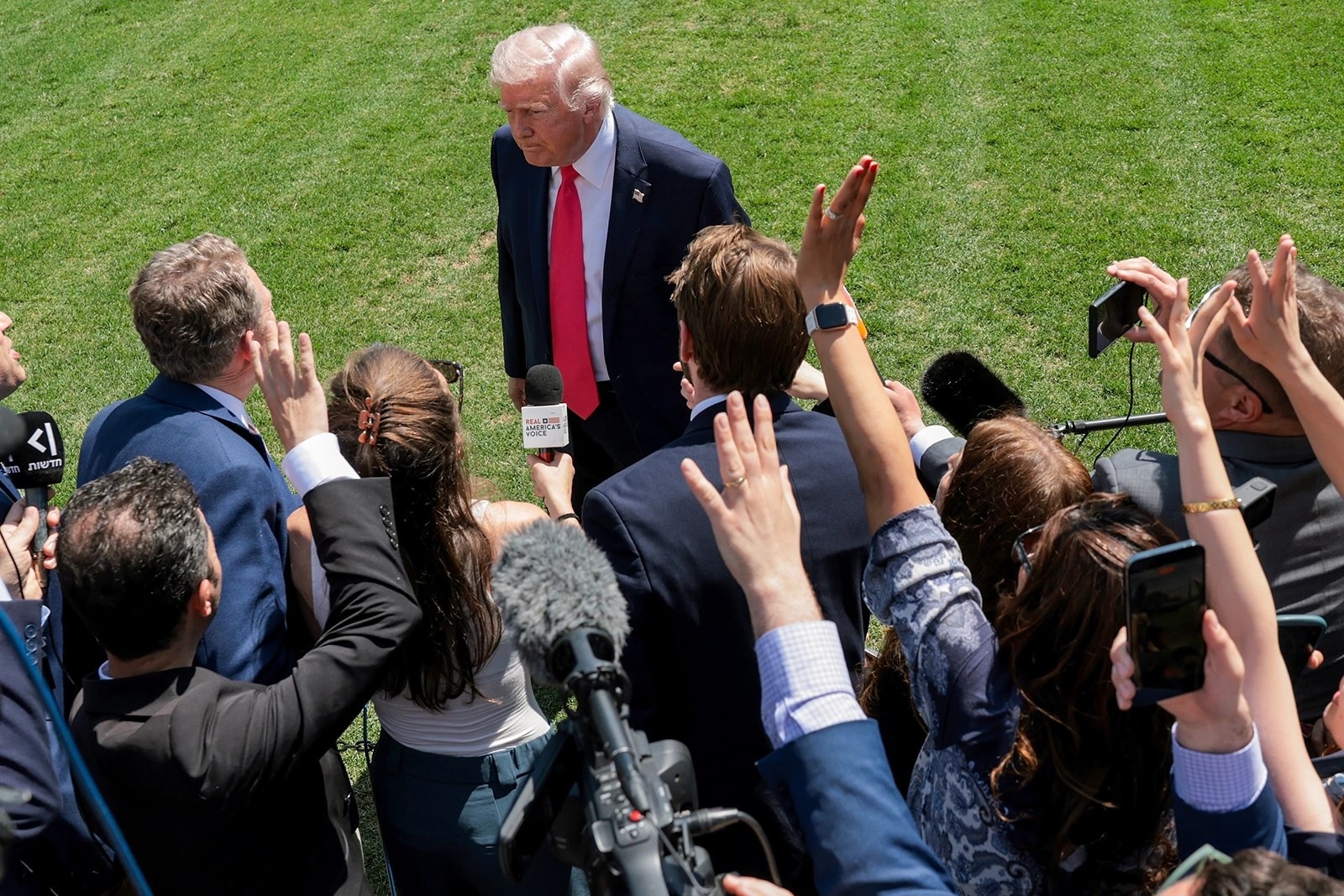
President Donald Trump, however, has dismissed suggestions that the carrier's deployment has gone on for too long. When asked about the duration, Trump reportedly rejected the concern, suggesting the deployment was “not nearly long enough.”
Crew Praised for Combat Performance
Mullen said he had discussed the situation with US Central Command chief Admiral Brad Cooper, who visited the Lincoln during its deployment.
According to Mullen, Cooper acknowledged that several issues had emerged during the early stages of the mission but said they had subsequently been addressed. Mullen nevertheless stressed that morale should continue to receive close attention.
Despite the pressures, he praised the sailors and Marines aboard the carrier for maintaining operational effectiveness during sustained combat missions.
“These crews will do absolutely everything to make sure the mission goes well,” Mullen said, adding that the Lincoln's personnel had clearly demonstrated that commitment.
Calls for a Larger Carrier Fleet
The Lincoln is expected to eventually be relieved by the USS George Washington, although a specific date for the transition has not been announced.
Mullen said even knowing that relief was coming could significantly improve morale among deployed personnel. He noted that Cooper had informed the Lincoln's crew that they would eventually be returning home.
Mullen also argued that the US Navy may need to expand its aircraft-carrier fleet beyond its current 11 vessels if Washington intends to maintain the present tempo of global deployments.
“In the current environment,” he said, the Navy needs more carriers if it plans to operate them at such a demanding pace.
His remarks highlight a broader challenge facing the US military: balancing immediate operational demands with the long-term health, morale and readiness of the forces expected to sustain America's global military commitments.
(The content of this article is sourced from a news agency and has not been edited by the Mavericknews30 team.)