Congress steps up criticism of Madhya Pradesh government as over 30 tribal children are reported dead; administration intensifies health screening, vaccination and treatment across affected villages
Bhopal, September 2026 : The deaths of more than 30 children in tribal-dominated areas of Madhya Pradesh’s Balaghat district have triggered a political controversy, with the Congress stepping up its criticism of the state government over healthcare, nutrition and basic facilities in the affected villages.
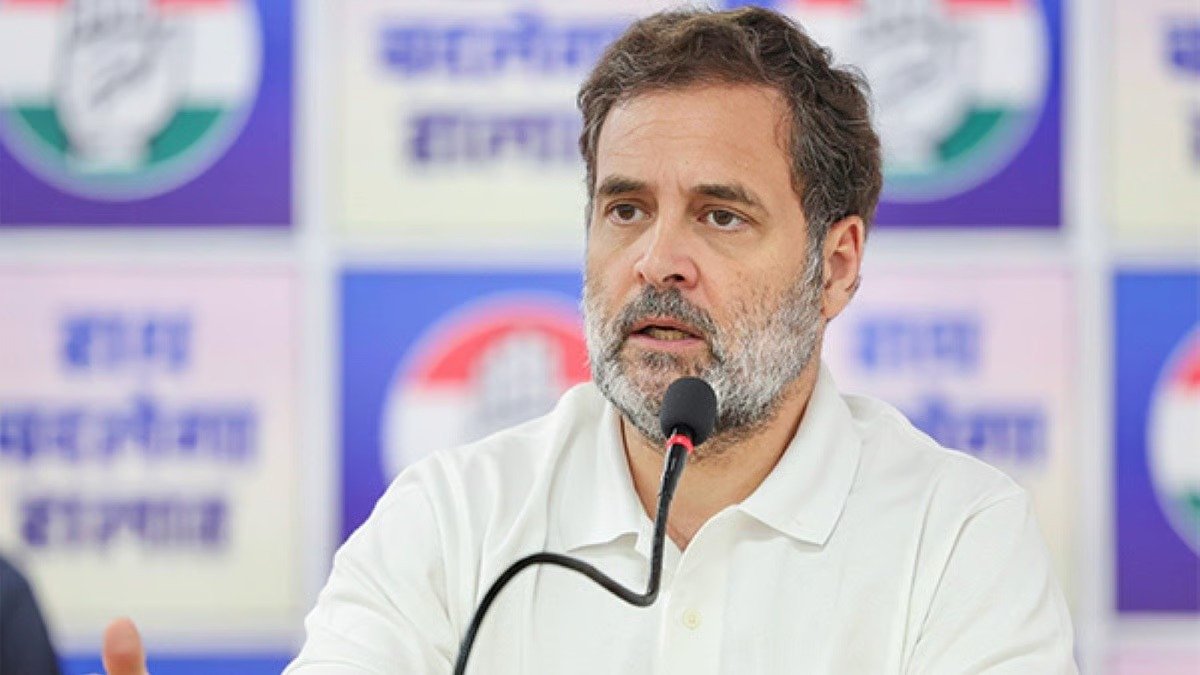
Leader of Opposition in the Lok Sabha Rahul Gandhi is scheduled to visit Balaghat on October 1 and meet the families of children who have died. Madhya Pradesh Assembly Leader of Opposition Umang Singhar confirmed the proposed visit, saying Gandhi would tour the Baihar and Birsa regions and interact with bereaved families.
Reports from the affected areas have put the number of deaths at more than 30 in recent months, with several of the deceased children belonging to the Baiga and Gond tribal communities. The reported deaths have raised concerns about infectious diseases, malnutrition, access to healthcare and delays in receiving medical treatment.
However, the precise death toll and medical circumstances surrounding individual cases have been the subject of differing assessments. Investigations so far have not established a single disease or pathogen as the sole cause. A Centre-led investigation has pointed to multiple health factors, including measles, malaria, co-infections, respiratory problems, dehydration, malnutrition, anaemia and shock.
The issue has become a major point of political contention in Madhya Pradesh. Congress leaders have repeatedly questioned the state government over the deaths and the condition of healthcare services in the tribal belt. Rahul Gandhi had earlier raised concerns publicly over the reported deaths and issues relating to illness, malnutrition, clean drinking water and access to basic healthcare.
His proposed visit on October 1 is expected to bring the issue into sharper national focus, as he meets families in the affected villages. According to state Congress sources, Gandhi is expected to spend several hours in the area before returning to Delhi.
Earlier, Abhijit Dipke, founder of the Cockroach Janata Party, also visited tribal villages in the district and met families of deceased children. He raised questions about healthcare facilities and the administrative response. His visit was accompanied by exchanges between some residents and social media content creators, with videos of the interactions subsequently circulating online.
The matter has also reached the judiciary. During the hearing of a Public Interest Litigation concerning the deaths, the Jabalpur Bench of the Madhya Pradesh High Court sought documents and a response from the state government. The court has also issued notices to officials associated with the health and women and child development departments in connection with the matter.
Meanwhile, the state administration has intensified health monitoring and treatment measures across the affected areas. The Health Department is conducting an intensive campaign in 57 villages in the Birsa and Baihar regions to detect and treat seasonal and infectious illnesses.
According to the administration’s latest figures, 45,458 people had been screened by September 28. Of those examined, 7,549 patients were identified with conditions including cold, fever, malaria, measles and skin diseases. As many as 6,861 patients were treated at home, while 688 were admitted to hospitals. The administration said 662 patients had subsequently recovered.
The government has also expanded preventive healthcare measures for children. As many as 1,255 children have been administered iron syrup, while 1,145 have received Albendazole tablets. Under the vaccination campaign, 284 children were immunised through six sessions on September 28. Overall, 28,296 children have been vaccinated through 689 sessions.
Health teams are also distributing Vitamin A, oral rehydration solution (ORS), zinc, iron syrup and Albendazole to children and other beneficiaries. Vaccination drives are being accompanied by mosquito-control measures, including insecticide spraying and fogging, while surveillance continues in the affected villages.
The administration has maintained that the immediate priority is to protect children, identify illnesses at an early stage and ensure timely treatment. The continuing health campaign is aimed at strengthening surveillance and preventing further deterioration in the situation.
With political leaders seeking greater accountability and the High Court monitoring the government’s response, the Balaghat deaths have emerged as a significant public health and governance issue. Gandhi’s scheduled visit is likely to further focus attention on the condition of tribal communities and the adequacy of healthcare services in the remote areas of the district.