Madhya Pradesh is emerging as a leading state in natural farming under the guidance of Chief Minister Dr. Mohan Yadav. As a result of efforts to encourage farmers in tribal areas to cultivate Shree Anna (nutri-cereals or millets), production of these crops has increased over the past three years. In addition, Kodo, Kutki and Sama worth Rs 550 crore have been exported home and abroad. Farmers in tribal regions have received immense benefits. Demand for Shree Anna is currently rising in the UAE, US and European countries. There is also considerable demand within the country for nutritious food products prepared using millets.
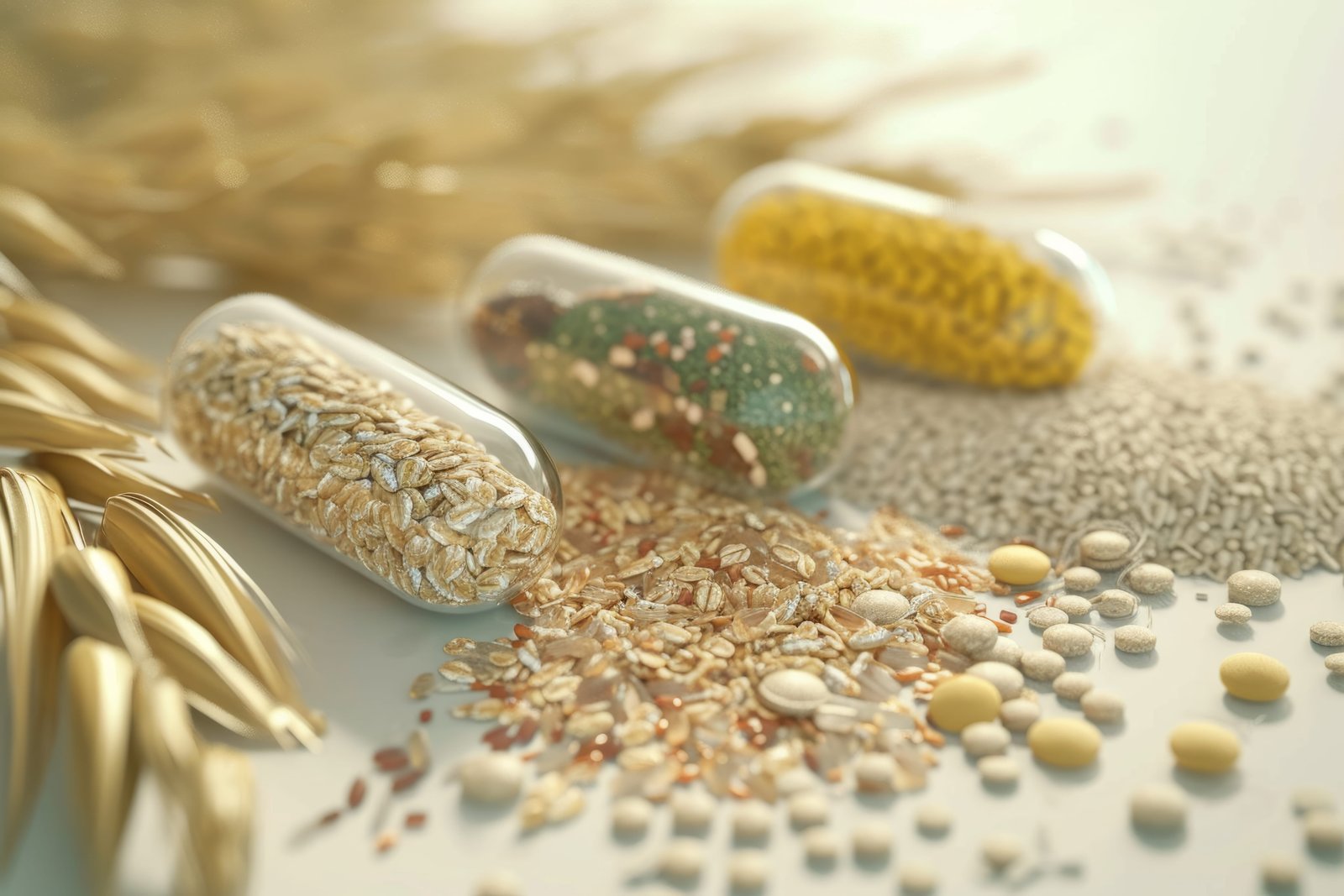
Owing to their medicinal properties and nutritional value, millets are gaining popularity across the world. Demand for Shree Anna is increasing in the global market, making it an economically rewarding crop for farmers. Millets are rich in dietary fibre, protein, B vitamins, calcium, iron and magnesium.
Following the strategy to promote Shree Anna cultivation at the initiative of Chief Minister, Kodo, Kutki and Sama worth Rs 183 crore were exported in 2024–25. This included Kutki worth Rs 49.30 crore, Kodo worth Rs 126 crore and Sama worth Rs 7.48 crore.
Similarly, in 2025–26, exports of these three millets amounted to Rs 224.32 crore. These included Kutki worth Rs 94.54 crore, Kodo worth Rs 119 crore and Sama worth Rs 10.1 crore.
So far in 2026, crops worth Rs 142.55 crore have been exported through agricultural mandis. This included Kutki worth Rs 55.54 crore, Kodo worth Rs 78.86 crore and Sama worth Rs 8.14 lakh.
It is noteworthy that, Chief Minister Dr. Mohan Yadav's initiative prompted the State Govt. to launch Rani Durgavati Shree Anna Production Incentive Scheme, which is being implemented to ensure handsome economic returns for farmers cultivating millets in tribal areas. Under this scheme, procurement of Shree Anna is being undertaken for the first time in 16 districts, which include Jabalpur, Katni, Mandla, Dindori, Chhindwara, Shahdol, Anuppur, Umaria, Rewa, Mauganj, Satna, Maihar, Balaghat, Seoni, Sidhi and Singrauli.
Under the Rani Durgavati Shree Anna Protsahan Yojana, Kodo and Kutki are being procured from farmers along with an incentive of Rs 1,000 per quintal. More than 15,000 farmers have come forward and registered for Kodo and Kutki procurement. These farmers collectively cover an area of 21,000 hectares.
After two years, the government has increased the procurement price of Kutki from Rs 3,500 to Rs 3,600 per quintal and that of Kodo from Rs 2,500 to Rs 2,600 per quintal. This year, preparations are underway to procure 32,500 metric tonnes of millets, compared with 3,000 metric tonnes procured last year.
During the ongoing Krishak Kalyan Varsh 2026, Mohan Yadav Government is working on a strategy to increase Shree Anna production. Chief Minister Dr. Mohan Yadav is encouraging farmers in tribal-dominated regions to conserve and cultivate traditional millets such as Kodo and Kutki.
Kodo and Kutki are cultivated mainly in Mandla, Jabalpur, Dindori, Balaghat, Katni, Chhindwara, Pandhurna and Seoni. Kodo and Kutki are cultivated across 19,000 hectares in Dindori, 12,700 hectares in Umaria, 12,000 hectares in Mandla, 10,000 hectares in Shahdol, 7,500 hectares in Jabalpur and 6,500 hectares in Katni.
Sitahi and Nagdaman Varieties of Kutki Get GI Tag
Madhya Pradesh's Sitahi Kutki and Nagdaman Kutki have received Geographical Indication (GI) tags. Sitahi Kutki is an indigenous, short-duration variety of little millet that matures in just 60 days. It is suitable for rain-fed regions and delayed sowing conditions. It can withstand drought, moisture stress and major pests and diseases, including shoot fly, grain smut and brown spot. Consequently, it helps farmers achieve stable yields.
Because of its moderate height and thick stems, Sitahi Kutki is resistant to crop lodging. It can also be cultivated in hilly, undulating and low-fertility soil conditions. The variety has the potential to provide good income to farmers belonging to the Baiga and Gond tribal communities of Dindori.
The expansion of Sitahi Kutki cultivation to 10,395 hectares in Dindori, along with stable yields of 10–11 quintals per hectare, has helped strengthen local livelihoods, food security and nutritional security.
Nearly 60,000 tribal farmers across tribal districts, particularly in Dindori, Mandla, Anuppur, Chhindwara, Shahdol, Umaria, Balaghat and parts of Jabalpur, can improve their economic prospects by increasing production. Farmers in 54 villages located in the hilly and difficult-to-access areas of Dindori have benefited from this initiative. Other Rabi crops are not cultivated in these areas.
Nagdaman Kutki is a distinctive local variety of Kutki cultivated in Dindori district. It is known for its medicinal properties and high nutritional value.
Jawaharlal Nehru Krishi Vishwa Vidyalaya (JNKVV), Jabalpur, is preparing to establish Sitahi Kutki as a national brand. This initiative is expected to open up new market opportunities and improve the economic prospects of tribal farmers engaged in millet cultivation.
Production in Tribal Pockets
Chief Minister Dr. Mohan Yadav has directed agricultural experts to prepare an action plan for tribal districts to conserve all varieties of Kodo and Kutki and increase their production. Farmers in districts such as Sidhi, Jabalpur, Dindori, Mandla and Chhindwara have been brought into this initiative.
In Sheopur district, which has a significant Sahariya tribal population, millet-based dishes are being introduced to address malnutrition among tribal children. Anganwadi workers and staff associated with the Integrated Child Development Services (ICDS) programme have been trained in preparing millet-based dishes and made aware of their nutritional benefits.
Kodo and Kutki are being cultivated across 130 acres in the district, involving approximately 200 farmers. As a result of this initiative, the nutritional status of 2,000 children has improved, along with their overall health.
Women farmers in the Samanapur block of Dindori district have also been connected with Kodo and Kutki cultivation. Each woman farmer owns an average of 2.5 acres of farmland. A total of 1,250 women farmers from 32 villages are participating in millet cultivation. Production of Kodo and Kutki has increased over the past two years.