District-Level Performance to Be Regularly Evaluated
Mumbai, November 2026: All government departments must work together with a coordinated, whole-of-government approach to protect the younger generation from drug abuse, Chief Minister Devendra Fadnavis said on Saturday. He emphasised that the Maharashtra government's priority would be to completely dismantle the drug ecosystem in the state and make Maharashtra drug-free.
Fadnavis appealed to all stakeholders to work collectively to eliminate the growing network of narcotics production, supply and distribution, thereby safeguarding the future of the country and society.
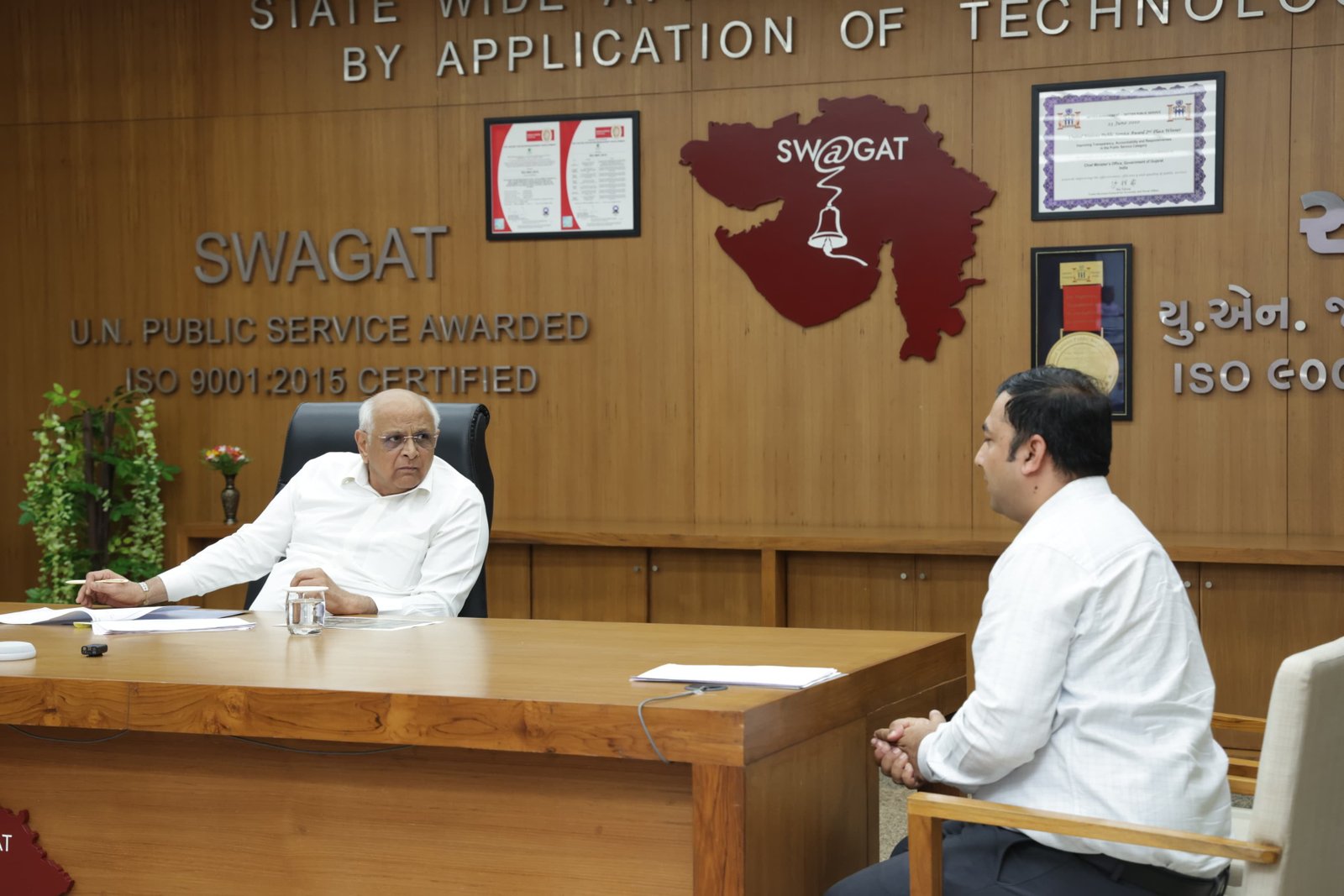
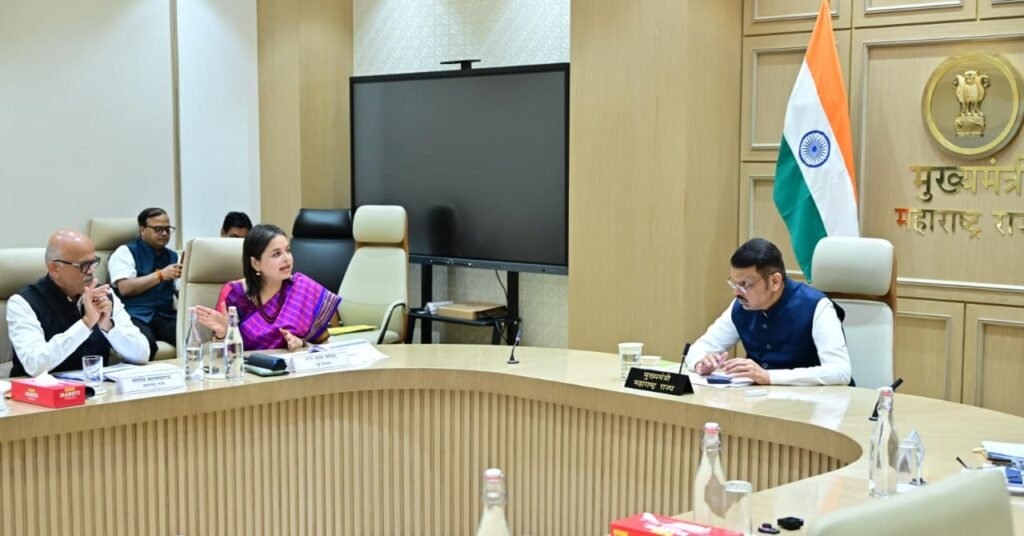
The Chief Minister formally launched the ‘Nasha Mukt Maharashtra – Lakshyavedh 1.0’ campaign at his official residence, Varsha, in Mumbai. The initiative aims to make the state free from narcotic drugs.
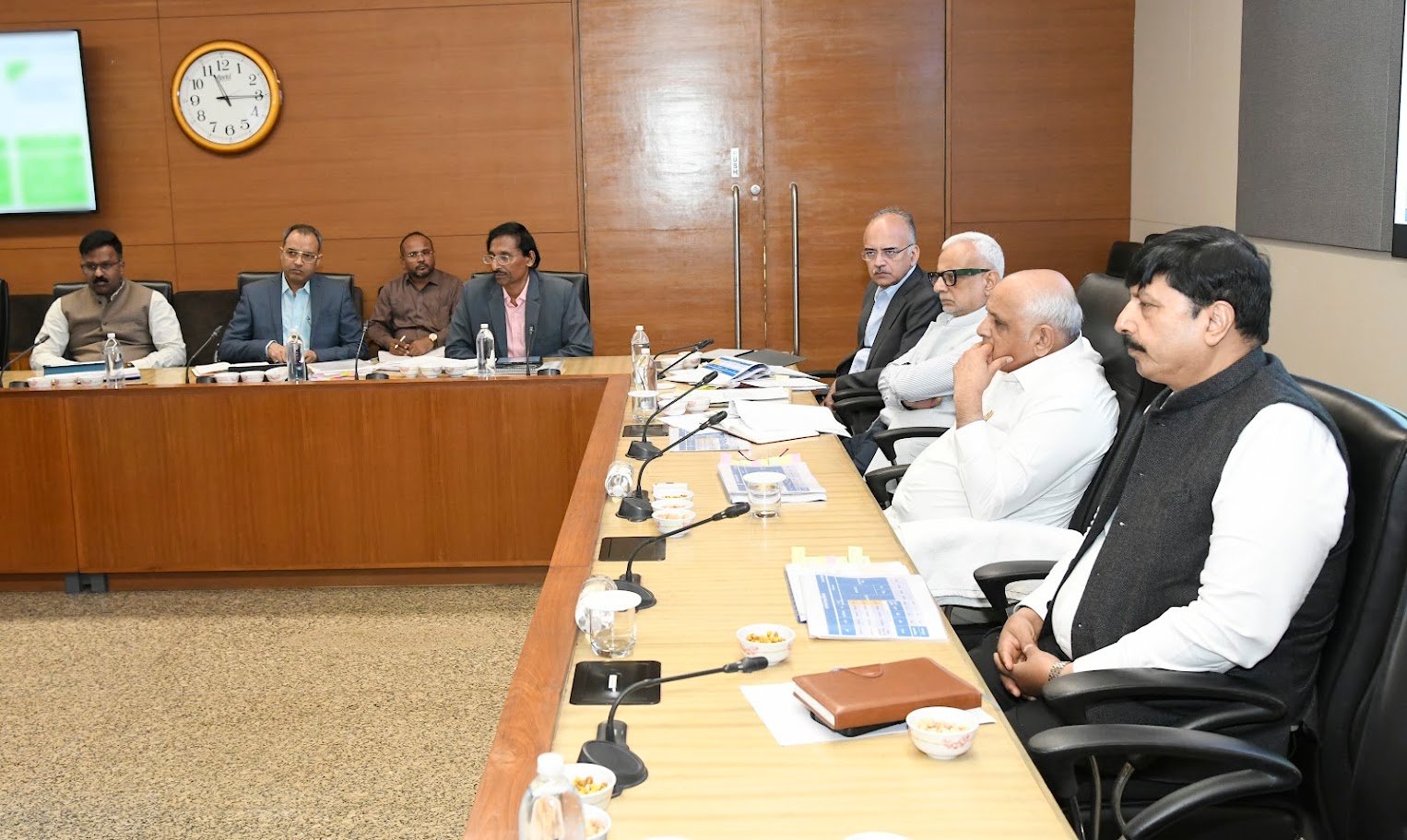
A meeting of the District-Level Narcotics Coordination Committee was also held under the chairmanship of Fadnavis at Varsha. Those present included Additional Chief Secretary to the Chief Minister Lokesh Chandra, Additional Chief Secretary of the Home Department Manisha Mhaiskar, Director General of Police Sadanand Date and Mumbai Police Commissioner Deven Bharti. District collectors, police commissioners and superintendents of police participated through video conferencing.
The Chief Minister directed all government departments to participate in the campaign in a coordinated manner and strengthen the fight against narcotics through joint efforts.
Coordinated Action Needed to Dismantle Drug Networks
Fadnavis said the campaign had adopted a comprehensive approach involving the coordinated participation of all government departments.
He pointed out that manufacturing narcotic substances does not always require sophisticated technology. Such activities can take place in old factories, residential premises and even small spaces.
He also cautioned that the large amounts of money involved in the illegal drug trade create opportunities for attempts to influence various agencies.
The Chief Minister expressed particular concern over the exploitation of young people aged between 14 and 24, who are being drawn into drug consumption and distribution networks. He said young people were being lured into illegal activities with promises of small financial rewards.
He stressed that the drug problem should not be viewed merely as a law-and-order issue but should also be treated as a matter of national security.
Action Required on Both Supply and Demand
Fadnavis said the fight against narcotics could not be won through police action alone. Along with controlling the supply chain, comprehensive measures were required to reduce demand for drugs.
He directed officials to involve the Health, Medical Education, Food and Drug Administration, and Goods and Services Tax (GST) departments in action against different elements of the supply chain.
He also called for extensive awareness campaigns through the School Education and Higher Education departments.
The Chief Minister emphasised the importance of establishing and effectively managing de-addiction centres to help people overcome substance dependence.
He said every department and agency must discharge its responsibilities effectively. The contribution of each department was crucial, and any weakness in one part of the system could affect the overall campaign.
20 Administrative Departments Assigned Responsibilities
For effective implementation of the anti-drug campaign, responsibilities have been assigned to 20 administrative departments across the state.
The government has identified 21 action points based on six major pillars.
To assess the performance of district-level NCORD (Narco Coordination) committees, a Performance Matrix for District NCORD has been developed. It contains 40 assessment parameters carrying a total of 650 marks.
Fadnavis said regular evaluation of departmental performance would help determine whether the measures were being implemented effectively. Officials delivering good results could be encouraged, while shortcomings in the performance of others could be identified and addressed.
He made it clear that there would be no compromise in the implementation of the campaign.
Police Asked to Strengthen Monitoring and Intelligence
The Chief Minister described the police department as the eyes and ears of society and stressed the importance of obtaining timely information about illegal drug activities and taking prompt action.
He directed senior police officers to maintain regular communication with subordinate units and strengthen supervision.
He also emphasised the effective use of administrative and legal powers required to initiate action against those involved in narcotics-related activities.
Fadnavis asked the Director General of Police to ensure that departmental instructions and established operating procedures were implemented effectively across the state.
He urged all districts to work towards achieving the highest standards under the prescribed performance assessment framework, stating that the campaign was essential for the future of children, the next generation and society as a whole.
Schools and Gram Panchayats to Be Involved in Awareness Campaign
Additional Chief Secretary Manisha Mhaiskar said that making Maharashtra drug-free required effective action on both the supply and demand sides of the problem.
An action plan has been prepared with a focus on controlling the production and supply chains of natural and synthetic narcotic substances, public awareness, de-addiction and rehabilitation.
She said district collectors, police commissioners and superintendents of police would be responsible for ensuring effective implementation of the plan at the district level.
The ‘Drug-Free’ component has also been included in the state government's ‘Mukhyamantri Majhi Shala, Sundar Shala’ initiative.
Mhaiskar said the Rural Development Department would encourage Gram Panchayats to pass resolutions declaring their villages drug-free and undertake public awareness activities.
The ‘Majha Gaon, Arogyasampanna Gaon’ (My Village, Healthy Village) initiative would also be used to spread awareness against drug abuse.
Police to Focus on Financial Networks and Asset Seizures
Director General of Police Sadanand Date said the police department had prepared a uniform action plan for all districts and police commissionerates to dismantle narcotics networks across Maharashtra.
The plan will focus on effective investigation, improving conviction rates, tracing financial transactions linked to drug trafficking, identifying the wider networks behind organised drug-related crimes and confiscating the properties of accused persons.
He said these measures would strengthen the state's efforts to break the entire narcotics network rather than limiting action to individual cases or offenders.
The Chief Minister called upon all departments, district-level authorities, police units and other stakeholders to work with full commitment to make the ‘Nasha Mukt Maharashtra – Lakshyavedh 1.0’ campaign successful.