Rs 1.86 lakh crore Green Energy Corridor Phase-III scheme to enable evacuation of 135 GW renewable power and deploy 50 GWh battery storage
New Delhi, Sept 2026 : Prime Minister Narendra Modi on Wednesday described the Cabinet’s approval of the Green Energy Corridor Phase-III (GEC-III) scheme as a major step towards India’s target of achieving 900 GW of non-fossil fuel-based power capacity by 2035.
The Cabinet has approved the GEC-III scheme to facilitate the evacuation of up to 135 GW of renewable energy across states and Union Territories. The programme also includes the deployment of 50 GWh of Battery Energy Storage Systems (BESS) to strengthen grid flexibility and support the integration of renewable power.
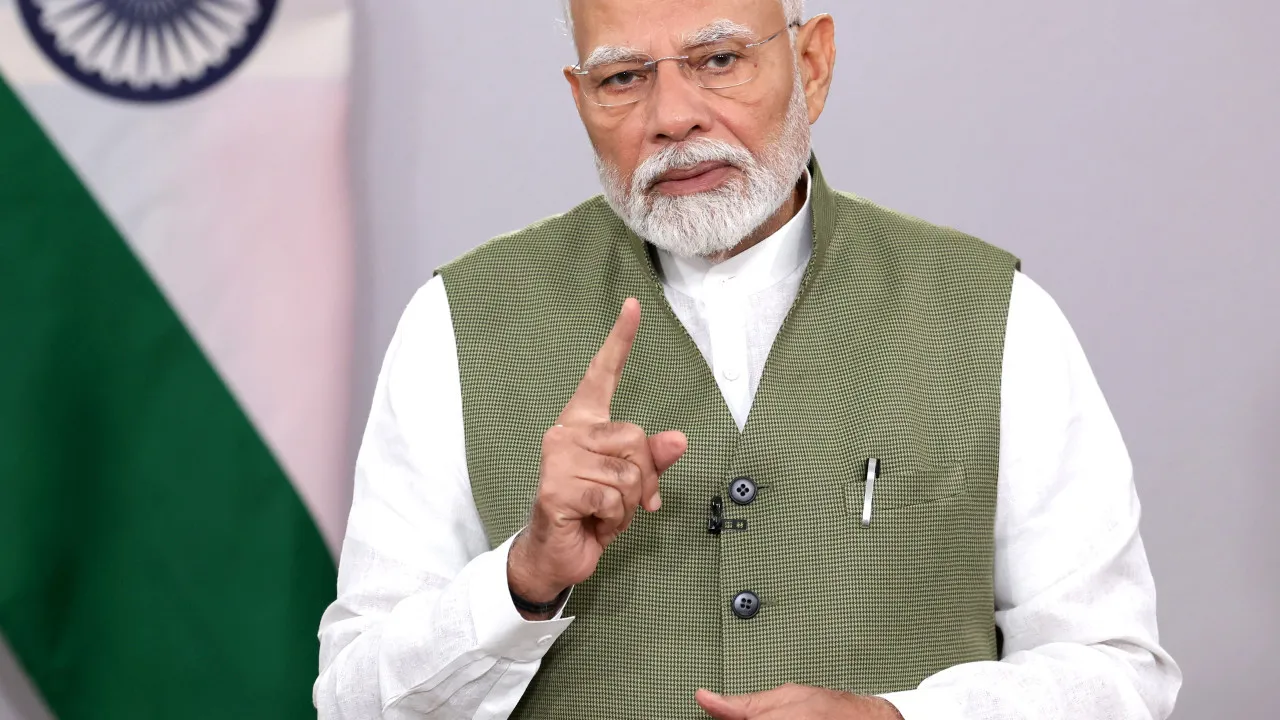
“Cleaner power. Stronger grids. More opportunities,” Modi said in a post on X, highlighting the expected impact of the initiative.
The Prime Minister said the scheme would facilitate 135 GW of renewable energy evacuation, support 50 GWh of battery storage and strengthen electricity grids across states and Union Territories. He also said the initiative would create employment opportunities in manufacturing, construction and energy storage.
India’s total installed power generation capacity stood at 552 GW as of July 2026, compared with 249 GW in 2014. Non-fossil fuel capacity had reached 300.50 GW as of July 31, accounting for more than 54 per cent of the country’s total installed capacity.
India currently ranks third globally in installed renewable energy capacity. Its installed solar power capacity stood at 164.59 GW as of July 31, a substantial increase from 2.8 GW in 2014.
Solar power has emerged as the largest component of India’s renewable energy capacity. In 2025, India added more than 37 GW of solar capacity, making it the world’s second-largest solar growth market that year, according to the government.
The GEC-III scheme is targeted for completion by FY 2032-33 and has a total project outlay of Rs 1,86,405 crore. Of this, Rs 1,36,378 crore has been earmarked for the development of Intra-State Transmission Systems under GEC-III, while Rs 50,000 crore will be allocated for 50 GWh of Battery Energy Storage Systems.
The scheme will receive total Central financial support of Rs 54,082 crore.
The proposed battery storage capacity is intended to improve grid flexibility by addressing the intermittent nature of renewable energy generation. The storage systems can help manage congestion, reduce peak-hour curtailment and meet electricity demand during non-solar hours.
The BESS facilities will be deployed at renewable energy developer or generator locations, as well as at other strategically important points in the grid, depending on system requirements.
The government said the scheme would also support the growth of India’s domestic energy storage industry by creating employment opportunities in battery manufacturing and deployment. In addition, long-term skilled jobs are expected to emerge in operations, maintenance and grid management across participating states.
The GEC-III initiative is aimed at expanding transmission infrastructure alongside renewable energy capacity, enabling electricity generated from renewable sources to be integrated more efficiently into the national power system.